
- by WengGracy
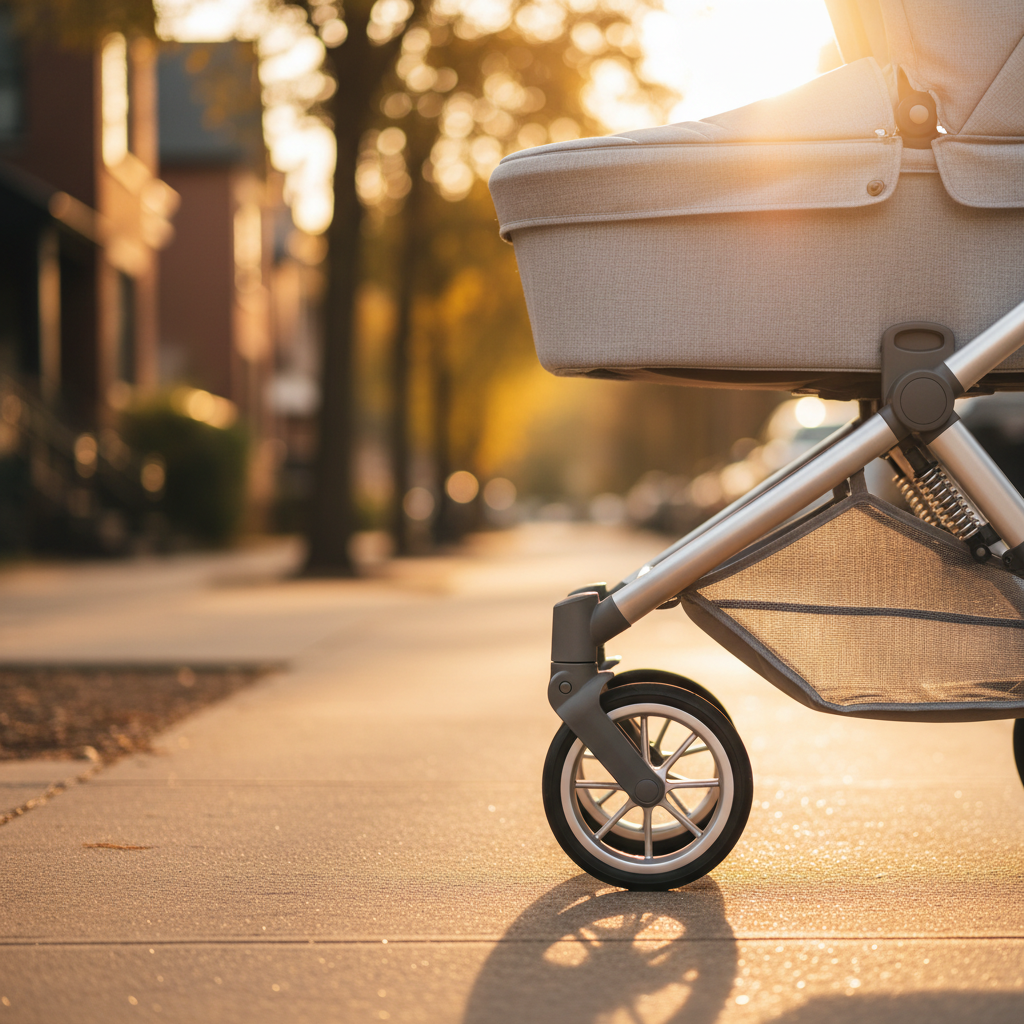
How to Fix Squeaky Stroller Wheels: A Complete Parent's Guide
- by WengGracy
You step outside for your morning walk, the baby is finally drifting off, and then it starts: a high-pitched squeak with every single push. By block two, you are convinced the entire neighborhood can hear it. If this sounds painfully familiar, take a breath. Squeaky stroller wheels are one of the most common complaints among parents, and almost every case can be fixed at home in under twenty minutes with the right approach.
We hear from parents every week about stroller wheel noise that seems to appear out of nowhere, gets worse after rain, or returns weeks after a fix. In this guide, you will learn how to pinpoint where the squeak is coming from, how to lubricate stroller wheels safely without damaging plastic or rubber parts, and the stroller maintenance noise prevention habits that keep your ride quiet for the long haul. You will also learn when a wheel has truly reached the end of its life and replacement makes more sense than another spray of lubricant. If your nursery has another noisy culprit, our guide to quick fixes for a squeaky nursery glider uses the same diagnose-then-lubricate approach.
Before reaching for any product, it helps to understand what is actually happening inside that noisy wheel. A stroller wheel is a small, hardworking system: a plastic or rubber tire wrapped around a hub, spinning on a metal axle pin. When any part of that system loses its smooth motion, you hear it. Loud and clear.
The single most common cause of squeaky stroller wheels is a dry axle. Manufacturers apply a thin film of grease at the factory, but everyday rolling slowly wears it away. Once that film is gone, the metal pin grinds directly against the plastic hub. The result is a rhythmic squeak that matches your walking cadence, getting faster as you pick up the pace. According to Consumer Reports' stroller testing, smooth-rolling wheels are a top quality indicator, and they degrade fastest under heavy outdoor use.
This one surprises a lot of parents. Long hair, pet fur, carpet fibers, and bits of string wrap themselves tightly around the axle pin every time you roll over them. Within weeks, that buildup acts like a tiny rope brake, creating resistance and a stubborn squeak that no lubricant can solve until you physically remove the tangle. Sand and grit add another layer of grinding, especially after beach trips or sidewalk walks in dusty conditions.
If your stroller suddenly squeaks after a rainy walk or after sitting in the garage all winter, the environment is likely the culprit. Water displaces lubricant and accelerates rust on the metal axle. The EPA explains that acidic particles in rain and moisture corrode metal on exposed components. Cold weather also thickens any remaining grease, adding friction during the first few minutes of every walk. Stroller wheel bearing noise that appears seasonally almost always traces back to one of these triggers.
Here is where most online guides skip ahead. Before you spray anything, you need to know which wheel, joint, or mechanism is making the noise. Otherwise you will lubricate the wrong spot and the squeak will keep coming back. Use this quick diagnostic flow.

| Squeak Pattern | Most Likely Source |
|---|---|
| Rhythmic squeak, every rotation | Dry axle or worn bearing |
| Squeak only when turning | Front swivel mechanism |
| Squeak on bumps only | Fold mechanism or frame joint |
| Constant squeak regardless of speed | Brake pad contact or jammed debris |
| New squeak after rain or storage | Rust or displaced lubricant |
Spending five minutes here saves you from spraying lubricant in the wrong place and dealing with the same stroller wheel noise next week.
This is the main event. Done correctly, lubrication takes about fifteen minutes and silences your stroller for months. Done incorrectly, it attracts dirt, damages plastic, and makes the problem worse. Follow this process and you will get it right the first time.
Not every lubricant on a hardware store shelf belongs near your stroller. The wrong product attracts dirt, eats plastic, or simply evaporates within days. The U.S. Consumer Product Safety Commission reminds parents that children's products require careful material choices, and that applies to maintenance products too. For an end-to-end routine that pairs lubrication with safe cleaning of fabrics and frames, see our walk-through of how to clean and maintain your stroller without damaging it.
| Lubricant | Safe for Stroller? | Notes |
|---|---|---|
| Dry silicone spray | Yes, recommended | Dries to a thin film, does not attract dirt |
| PTFE synthetic grease | Yes, long-lasting | Use sparingly on metal-to-plastic contact |
| Vaseline / petroleum jelly | Use with caution | Works short-term, attracts dust over time |
| WD-40 original formula | No, avoid | Water displacer, not a true lubricant; can degrade plastic |
| Motor oil or heavy grease | No, avoid | Too thick, traps debris, not plastic-safe |
| Cooking oil | No, avoid | Turns rancid, attracts grime, breaks down rubber |
If you only buy one product, make it dry silicone spray. It is widely available, plastic-safe, and dries clean. Save the WD-40 for stuck garage hinges.
The best fix for squeaky stroller wheels is the squeak you never hear in the first place. A handful of small habits prevents nearly all stroller maintenance noise issues from developing. Pair the routines below with our foldable stroller monthly maintenance checklist so cleaning, inspection, and lubrication all happen on a predictable schedule.
Where and how you park the stroller matters more than most parents realize. Store it indoors or in a covered space to keep moisture away from metal axle pins. Avoid leaving it in direct sun for long stretches, since UV exposure slowly degrades plastic hubs and rubber tires. Before long-term storage, apply one fresh coat of silicone spray to every axle. You will thank yourself when you pull it out next season and it rolls silently.
Sometimes the squeak is not about maintenance. It is about how the stroller was built in the first place. If you are shopping for a new ride or replacing one that has reached the end of its useful life, a few features dramatically reduce the chance of future stroller wheel noise.

If you are in the market for a stroller engineered for smooth, quiet rides from day one, exploring a curated lineup is a practical starting point. Quality wheel construction at the factory level makes a real difference in how long a stroller stays noise-free, especially under the daily demands of city sidewalks, park trails, and busy family schedules.
Lubrication solves most squeaks, but not all of them. Some wheels are simply worn out, and continuing to spray them only delays the inevitable. Here is how to tell the difference.
Contact the stroller manufacturer first. Most major brands sell replacement wheels as spare parts, often for less than thirty dollars per wheel. Search your model number plus "replacement wheel" for compatible third-party options. For standard EVA or foam wheels, aftermarket parts are widely available through stroller parts retailers and online marketplaces.
If frame corrosion is visible beyond the wheels, if multiple squeaking sources exist across a stroller that is over three years old and used daily, or if safety components such as brakes or harness buckles are also showing wear, it may be time for a new stroller. The American Academy of Pediatrics, through HealthyChildren.org, advises checking wheels and brakes regularly as part of basic stroller safety. A stroller failing in multiple places is no longer worth repairing piece by piece.
The most common cause is a dry axle. Factory lubricant wears off with regular use, leaving metal and plastic to grind together. Hair, sand, and grit packed around the axle also create stubborn friction noise.
Dry silicone spray is the top choice for most strollers. It coats the axle, dries to a thin film, and does not attract dust. PTFE synthetic grease is a longer-lasting alternative for metal-to-metal contact points. Skip WD-40 and cooking oils.
No. WD-40 is a water-displacing solvent, not a true lubricant. It may quiet a squeak for a day or two, then evaporates and leaves a residue that attracts dirt. Over time, it can also degrade plastic hub components. Use dry silicone spray instead.
For daily outdoor use, lubricate axles every 6-8 weeks. For lighter use, every 3-4 months is plenty. Always re-lubricate after rain or beach outings, and treat any early stroller wheel noise immediately rather than waiting.
Yes, and it is one of the most overlooked causes. Hair and thread wind tightly around the axle pin, creating friction. Remove the wheel, carefully cut the tangle with small scissors, and clean the axle before applying any lubricant.
Rain washes lubricant off the axle and encourages rust on metal pins. Cold weather thickens remaining grease, adding drag for the first few minutes of a walk. Dry the stroller thoroughly after wet outings and reapply silicone spray to restore quiet performance.
Factory lubricant amounts vary, and some strollers ship with very little. A single application of silicone spray to the axles usually resolves it. If your stroller is under warranty, also contact the manufacturer. Persistent noise on a new stroller is worth reporting.
Replace wheels when lubrication does not eliminate the noise, when the wheel wobbles or grinds even after cleaning, or when the hub shows cracking or deep corrosion. A grinding sound (rather than a squeak) almost always means the internal bearings have failed.
Squeaky stroller wheels are annoying, but they are rarely a sign of anything seriously wrong. With a few minutes of diagnosis, a can of dry silicone spray, and a habit of brushing out debris after dusty outings, you can keep your stroller rolling quietly for years. Remember the core lessons: figure out where the stroller wheel noise is coming from before you spray anything, use a plastic-safe product to lubricate stroller wheels, and treat stroller maintenance noise like a small ongoing project rather than a one-time fix. When wheels reach the end of their life, replace them quickly rather than spraying around the problem.
At Mamazing, we believe great parenting gear should fade into the background so you can focus on the walk, the nap, and the laugh, not the squeak. If you are ready for a stroller built to stay quiet from your very first walk, browse our curated collections above and find a ride that grows with your family. Your future morning walks (and your sleeping baby) will thank you.
Featured Products


How to Fix a Stuck Stroller Brake: A Parent's Step-by-Step Guide
Do You Need a Locking Glider Chair for the Nursery?