
- by WengGracy
Can You Use a Baby Stroller as a Dog Stroller?
- by WengGracy
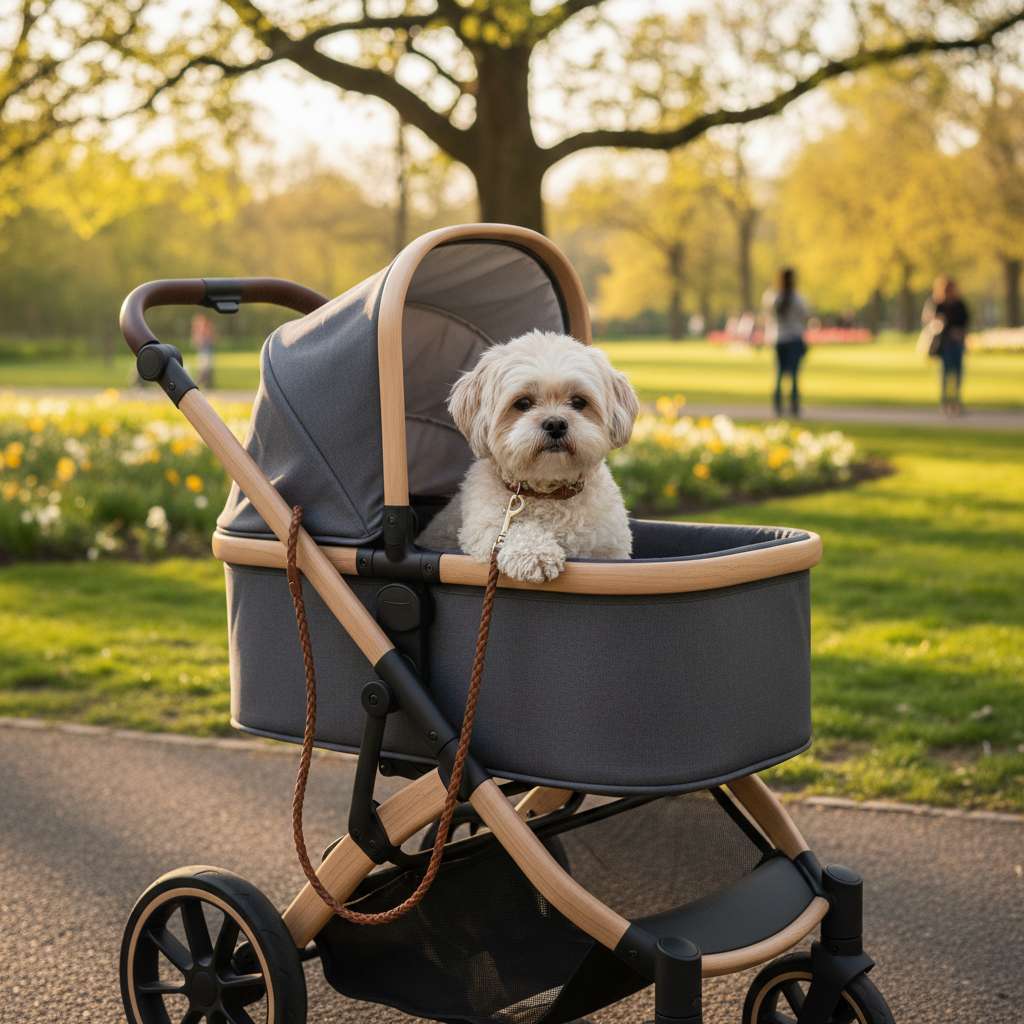
You glance at the dusty baby stroller in your garage. Across the room, your aging Pomeranian struggles to keep up on long walks. The question hits you: could that old stroller give your dog a second life outdoors? You are not alone. Pet humanization is driving a fast-growing dog stroller category, and more pet parents than ever are searching for clever, budget-friendly ways to keep their dogs comfortable. A baby stroller for dog use is one of the most popular hacks circulating on TikTok, Reddit, and Quora right now. If you are still weighing which stroller chassis to start with, our complete guide to choosing the best baby stroller for your lifestyle walks through frame, wheel, and weight-capacity tradeoffs that matter just as much for four-legged passengers.
So can you actually use a baby stroller as a dog stroller? The short answer is yes, with some smart modifications and the right model. In this guide from Mamazing, you will learn the real differences between a baby stroller dog stroller setup and a dedicated pet stroller, when the swap makes sense, how to convert baby stroller for dog use safely, and what features to look for if you are shopping fresh. Let's roll.
Yes, you can use a baby stroller as a dog stroller, but only with the right modifications and the right kind of dog. Most small to medium dogs under 30 pounds can safely ride in a sturdy baby stroller once you cover the leg holes, add a secure interior leash clip, and ensure proper ventilation. Larger dogs and high-energy breeds usually need a dedicated pet stroller.
The reality is that baby strollers are engineered for seated infants who cannot jump out, do not pant for thermoregulation, and do not need a leash. Dogs are an entirely different passenger. Recognizing those gaps is the first step to making the conversion safe. Small breeds and senior dogs in particular benefit from mobility aids during long outings, where a wheeled ride helps them keep pace without overworking sore joints.
Before you load your pup into anything with wheels, understand what sets a baby stroller dog stroller arrangement apart from a purpose-built model. The differences are not cosmetic, they are about safety.
| Feature | Baby Stroller | Dog Stroller |
|---|---|---|
| Interior harness clip | None (uses a 5-point seat belt) | Built-in leash tether |
| Zippered top enclosure | Open canopy only | Fully zippered mesh dome |
| Ventilation mesh | Limited side mesh | Multi-panel airflow mesh |
| Interior floor | Contoured seat with leg holes | Flat padded base |
| Weight limit | 30 to 65 lbs (varies) | 15 to 150 lbs (model-specific) |
| Terrain wheels | Often urban-focused | All-terrain rubber wheels common |
| Easy dog entry | Top loading only | Front-zip walk-in opening |
The takeaway: a baby stroller can absolutely transport a dog, but it lacks three core dog-safety features out of the box. Those gaps are the leash clip, the zippered enclosure, and the flat floor. The good news? All three can be fixed with simple add-ons, which we will cover shortly.
A pet stroller alternative built from a baby stroller is not for every household. But in the right scenario, it is a brilliant, sustainable choice. Here is when it shines.

If your child has outgrown the stroller and your dog weighs under 20 pounds, you have a near-perfect match. Toy and small breeds like Yorkies, Chihuahuas, Pomeranians, and Shih Tzus fit comfortably in standard baby stroller seats. Reusing what you own is also kinder to the planet. The EPA notes that reusing items extends their useful life and reduces waste generation, which beats sending a perfectly good stroller to landfill. If you are considering a second-hand frame instead, our breakdown of used stroller vs new safety considerations covers exactly what to inspect before trusting any frame with a passenger.
Senior dogs and post-surgery patients are the single biggest use case for a baby stroller dog stroller setup. Canine osteoarthritis is widespread in older dogs, and VCA Animal Hospitals describes osteoarthritis as a chronic inflammation and degeneration of the joints that limits mobility and comfort. A stroller lets your old friend keep enjoying sunshine, sniffs, and squirrel-watching without overworking sore joints. Veterinarians at the Cornell University College of Veterinary Medicine confirm that managing canine osteoarthritis is critical to maintaining comfort and mobility, even when walking distance must be limited.
Dedicated dog strollers can run $150 to $500 or more for premium models. If your dog only needs wheels occasionally, say during recovery from a TPLO surgery or a heatwave, converting an existing stroller saves real money. It is the original pet stroller alternative, and for short-term needs there is no reason to add another bulky item to your closet.
One real-world example: a Reddit user shared how she repurposed her toddler's outgrown jogging stroller for her 13-year-old Beagle after an ACL surgery. The vet-recommended six weeks of restricted activity would have meant six weeks of zero outdoor time without it. The pup got daily sunshine, the owner spent zero extra dollars, and the stroller eventually went to a friend whose senior Pug needed it next.
Combo households win big here. A spacious double or wagon-style baby stroller can carry your toddler and your small dog at the same time. With pet humanization driving more households to treat dogs as family, "dog and baby stroller combo" searches have steadily climbed year over year.
Ready to convert baby stroller for dog adventures? Follow these seven steps for a safe, comfortable ride. This DIY dog stroller from baby stroller method takes about 30 minutes and costs under $25 in basic supplies.

Safety callout: Never leave your dog unattended in the stroller, even for a moment. Heat builds up fast inside an enclosed canopy, and a startled dog can topple a stroller while trying to escape.
If you are buying a new stroller and want it to serve double duty, certain features make life easier for both babies and pets. Choose smart up front and you will skip most of the DIY modifications.
A deep, near-flat recline gives your dog room to stand, turn, and lie down. Removable cushions let you wash away fur and the inevitable muddy paw print. For ongoing hygiene, our complete guide to cleaning a baby stroller walks through fabric, frame, and wheel care that becomes especially important once dog fur and dander enter the picture.
Look for an extendable UPF 50+ canopy. Dogs are vulnerable to sunburn, especially short-haired and pink-nosed breeds. The ASPCA warns that pets can quickly suffer heat stroke in warm weather, so sun protection and ventilation matter.
Side mesh panels keep air moving and let your dog see the world. Visibility reduces anxiety, especially for first-time stroller riders.
Dogs move around. A higher weight rating means more frame stability even when your pup shifts position mid-walk. Aim for 30 lbs minimum, 50 lbs if your dog is on the larger side.
You will often hold a leash, a coffee, and waste bags. A stroller you can collapse with one hand is a game-changer.
Treats, poop bags, a collapsible water bowl, and a backup harness all need a home. Roomy baskets win.
Park gravel, grass, and curb cuts go easier with lockable swivel front wheels and rubber, air-filled or foam-filled tires.
Explore Mamazing's best baby stroller collection for models that meet these exact criteria, with spacious interiors, premium ventilation, and weight capacities that handle both growing toddlers and small to medium dogs.
Before every outing, run through this quick safety checklist. These rules are non-negotiable.
A baby stroller is not the only pet stroller alternative worth considering. Here is a quick rundown of other options.
Best for households with multiple dogs, larger breeds (over 30 lbs), or owners who walk daily on rough terrain. Look for a zippered front entry, an interior tether, and four all-terrain wheels.
Ideal for tiny dogs under 10 pounds and short outings. Hands-free and packable, but tiring for the owner over long distances.
Great for hiking with small dogs. Distributes weight evenly across your shoulders and hips. Not suitable for senior dogs with back or hip issues.
Best for multiple small dogs or one large senior dog. Wagons handle uneven terrain well but are bulky to store and transport.
Yes. A baby stroller works well for dogs under 20 pounds if you add an interior leash clip, cover the leg holes, and place a padded mat on the seat. Always confirm the stroller offers enough ventilation, and never leave your dog unattended.
Dog strollers include interior leash tethers, zippered mesh enclosures, flat padded floors, and front walk-in openings. Baby strollers are built for seated infants with five-point harnesses and lack those dog-specific features. Modifications close most of the gap.
It can be safe with the right setup. Cover leg holes, install an interior leash clip, ensure airflow, and never exceed the weight limit. Supervise your dog at all times, and introduce the stroller gradually so your pup associates it with calm, positive experiences.
Absolutely. Repurposing an old baby stroller is one of the most popular and budget-friendly solutions for senior dogs with arthritis or mobility issues. Choose a stroller with a low, easy entry point so your dog does not need to be lifted high off the ground.
Most standard baby strollers comfortably hold dogs up to 30 to 35 pounds, though seat dimensions vary widely. Measure your dog's length while lying down and add a few inches for stretching. Compare that to the stroller's interior seat-to-canopy depth before use.
Not necessarily. Combo dog-and-baby strollers exist, but many parents successfully use a spacious double stroller or wagon-style baby stroller for both. The key factors are weight capacity, interior space, and good ventilation for the pet.
Yes, you can absolutely use a baby stroller for dog adventures with the right preparation and the right stroller. By covering leg holes, adding a leash clip, providing proper padding, and choosing a model with strong ventilation, you can transform any quality baby stroller dog stroller arrangement into a safe, comfortable ride for your small or senior pup. The baby stroller for dog hack is one of the smartest pet stroller alternatives out there, especially for households that already own a stroller or want a budget-friendly mobility aid.
Whether you are caring for an aging companion, helping a recovering pet stay active, or simply giving your toy breed a comfortable way to join long outings, the right stroller makes all the difference. If you are shopping fresh, Mamazing curates a collection of premium baby strollers with the spacious interiors, sturdy frames, and pet-friendly features that work beautifully for both little ones and four-legged family members. Happy strolling.
Featured Products


Best Nursing Chairs for Small Nurseries and Apartments
Can You Store a Stroller in a Garage or Outside?