
- by FangRussell
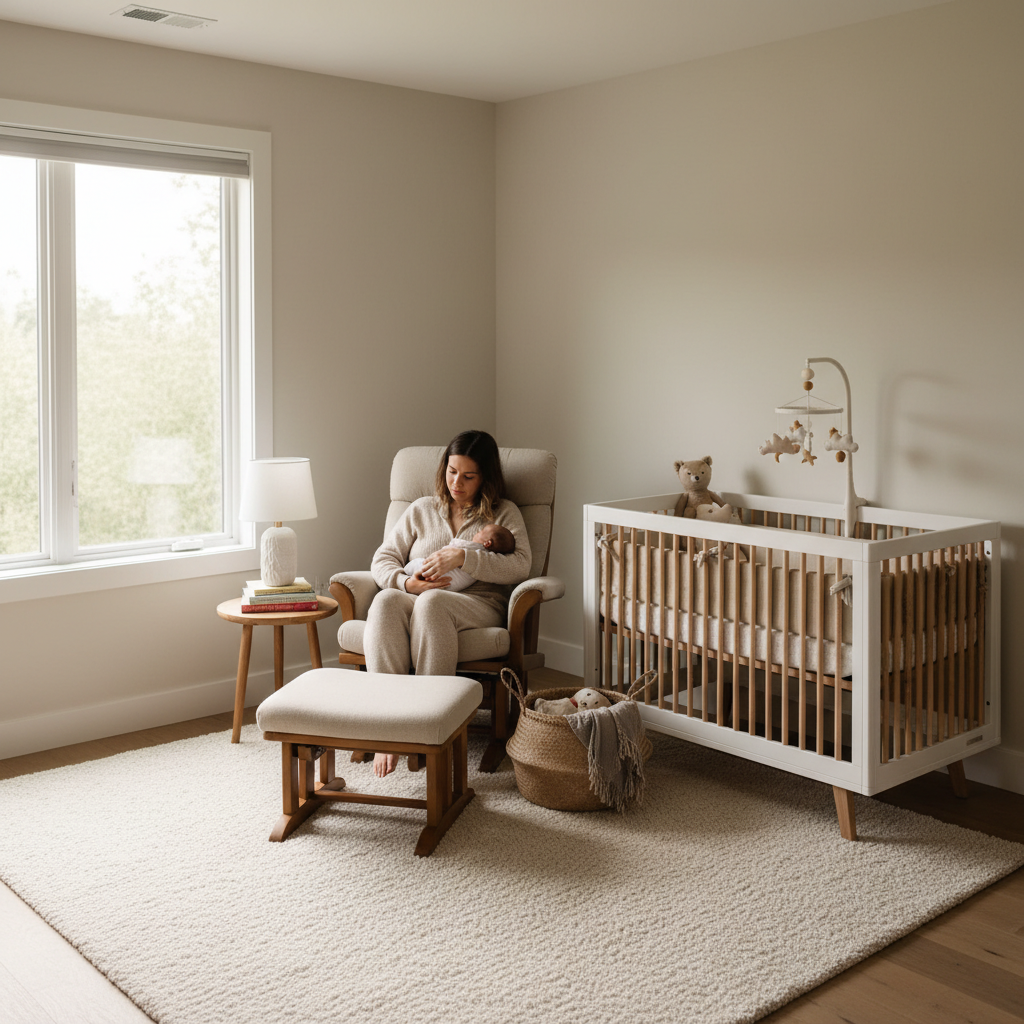
Best Nursery Chairs: Glider Recliner, Rocker, and Small-Space Picks
- by FangRussell
If you want the short answer, the best nursery chair is the one that matches how you actually use your nursery: a supportive glider recliner for long feeding sessions, a compact chair for a tight room, or a wipe-clean seat that still feels comfortable at 2 a.m. A pretty chair is nice, but the real win is steady arm support, smooth motion, and a footprint that does not make the room feel cramped.
That is why this guide does not just rank chairs by looks. It helps you compare gliders, rockers, and recliners by the things that matter most when you are tired and holding a baby: back support, arm height, recline comfort, ease of cleaning, and how well the chair fits your space. The goal is to help you pick a nursery chair you will still like after the newborn stage, whether you are feeding, reading, cuddling, or simply taking a minute to breathe.
If you are browsing the Mamazing collection, you will notice that the strongest options tend to fall into a few clear categories. Some are better for breastfeeding and frequent night feeds. Some work best in smaller nurseries. Others earn their place because they feel plush without looking bulky. Below, you will find quick recommendations by need, a practical buying framework, and the trade-offs that matter before you buy.
If you do not want to read the full guide right away, start here. The best nursery chair depends less on trend and more on the routine you are building at home.
For many parents, the sweet spot is a glider recliner. It gives you the soothing motion you want in a nursery, but it also adds the head, back, and leg support that makes longer feeds and contact naps easier on your body. If you prefer a lighter silhouette, though, a compact glider or rocker can still be the better call, especially when floor space is limited.
The easiest way to compare nursery chairs is to judge them on five things in this order: support, motion, size, materials, and longevity. If a chair is weak in the first two, the rest does not matter much.

Your shoulders, lower back, and forearms do most of the work during feeding and soothing. The American Academy of Pediatrics notes that a chair used for breastfeeding should have solid back and arm support, and a footstool can help keep you from straining your legs and back. See HealthyChildren's breastfeeding positioning guidance for the basics. In practice, that means a nursery chair should let your elbows rest naturally instead of making you shrug your shoulders or hunch forward.
Gliders feel smoother and quieter than traditional rockers, which is why many parents prefer them for frequent night use. Rockers can still be charming and effective, but they often feel more active and a little less planted. Recliners add a deeper comfort factor, especially if you like to settle in for longer stretches, but they usually take up more room.
A chair can look compact online and still dominate a small nursery. Measure the width of the wall where the chair will sit, the path around the crib, and the clearance needed when the chair glides or reclines. If you are outfitting a tighter room, you will probably get more daily satisfaction from a chair that moves easily in the space than from a larger model that always feels in the way.
Nursery chairs see milk drips, spit-up, snack crumbs, and lotion-covered hands. If easy cleanup matters, smooth wipeable upholstery can save you time, but soft woven fabric can still work well if the weave is forgiving and the cushion shape does not trap debris. This is one of the biggest gaps in many “best chair” roundups, even though it matters every day.
The strongest nursery chairs still feel useful once the newborn phase passes. You may use yours for books before bed, post-nap cuddles, pumping, or simply a quiet seat in the room. That is why a slightly cleaner silhouette or a more neutral finish can be worth paying for if you want the chair to age well with the rest of your home.
If you are stuck between chair types, the best option is the one that fits both your body and your room. A glider is usually the most balanced choice. A rocker feels classic and lighter visually. A recliner feels the most supportive when you want to stay seated for longer blocks of time.
| Chair type | Best for | Main advantage | Main trade-off |
|---|---|---|---|
| Glider | Most nurseries and frequent feeding routines | Smooth motion with a stable feel | Usually costs more than a simple rocker |
| Rocker | Classic look and lighter footprint | Simple, cozy, timeless movement | Can feel less supportive during long feeds |
| Recliner | Parents who want full-body comfort | Better neck, back, and leg support | Needs more space and usually weighs more |
| Glider recliner | Parents who want both motion and lounge comfort | Most versatile for feeding, cuddling, and winding down | Often the bulkiest and most premium option |
A glider recliner often wins for families who want one chair to do almost everything. It gives you gentle movement when your baby needs settling, but it also supports your body when a feeding runs long or when you simply need to sit back and rest. If your nursery is small, though, a compact glider can be the smarter buy because it protects your floor plan without giving up the calm motion many parents love.
One thing to keep in mind: a nursery chair is for feeding, soothing, reading, and supervised cuddles, not for infant sleep. The CPSC warns that babies should not be left to sleep in rockers, gliders, soothers, or other inclined products and should be moved to a safe flat sleep space if they fall asleep there. You can review that guidance on CPSC's safe sleep page.

The best breastfeeding chair is not necessarily the fanciest one. It is the chair that lets you hold your baby close without making your shoulders creep up, your wrists collapse, or your lower back ache halfway through a feed.
MedlinePlus recommends a comfortable chair with arm rests, while the NHS suggests resting your feet on a small stool or surface if you are sitting, so you do not lean forward and strain your back. Those details sound small until you are repeating the same posture many times a day. See MedlinePlus on breastfeeding positions and the NHS guide to breastfeeding positions for the comfort cues professionals emphasize.
If breastfeeding comfort is your top priority, a glider recliner or a well-cushioned glider usually beats a purely decorative rocker. The recline function is not mandatory, but it can be a big plus when you want a break between feeds or you are settling into a contact nap with full support through your neck and shoulders.
Instead of presenting every chair as the best at everything, it is more useful to match each type of chair to a real household need. That is how most parents actually shop.
If you want one chair that handles feeding, soothing, reading, and everyday downtime, a glider recliner is still the most complete choice. In the Mamazing lineup, the Lullapod Max Recliner fits this role especially well for families who want strong back support, smooth motion, and the option to recline without giving up a nursery-friendly look.
The reason this category performs so well is simple: it solves multiple problems at once. It feels calm enough for nursery use, but it also offers enough body support that you do not feel like you are perching on accent furniture. If your budget allows for one meaningful upgrade, this is often the place to spend it, and a chair like the Lullapod Max makes the value of that upgrade easier to feel day to day.
If feeding comfort is your main goal, focus less on flashy features and more on posture. A chair that keeps you aligned will matter more than a chair with extra gadgets. Look for padded arms, a seat height that lets your feet feel planted, and a back that supports you without forcing you to sink too low. Within Mamazing's range, the Lullapod Zen Chair is the kind of pick that makes sense here because it leans into supportive seating rather than a slouchy lounge feel.
That is why many parents land on a structured glider instead of a softer lounge chair. A little firmness can be helpful because it keeps you from curling forward when you are tired, and that is also why chairs in the Lullapod Zen style tend to work well for repeat feeding sessions.
In a small nursery, footprint matters as much as comfort. The best small-space nursery chairs keep their profile tight while still giving you the motion and support you want. A compact glider usually outperforms a bulky recliner here because it preserves walking room and makes the nursery feel less crowded. In practical terms, this is where a model like the Lullabud Nursery Chair or another similarly compact Mamazing seat can make more sense than sizing up too far.
If this is your biggest concern, pair this guide with our deeper look at the best nursery chair for small spaces. That article goes further into dimensions, clearance, and layout strategy, and it is the right next read if you are comparing a compact chair against one of the larger Lullapod styles.
If your reality includes bottle drips, snack crumbs, or toddlers climbing into the chair with sticky hands, prioritize materials. Wipe-clean upholstery can be a smart choice because it shortens cleanup and keeps the chair looking fresh with less effort. It also makes the chair easier to use outside the nursery later. That is part of the appeal behind Mamazing designs that lean into smoother, easier-care finishes instead of overly delicate fabric stories.
This is the category where “luxury” and “practical” can actually overlap. A chair does not have to look clinical to be easy to maintain. It just needs surfaces and seams that work with real life, which is why easy-clean options such as the Lullacloud Nursery Chair can be especially appealing for parents who want comfort without a high-maintenance finish.
Some nursery chairs look inviting online but feel undersized in person. If you are taller, broader-framed, or simply want more room to shift positions, seat depth and back height matter a lot. You want enough space to settle in without feeling pinched at the shoulders or pushed too upright.
A deeper glider recliner or a more generously scaled nursery recliner tends to work best here. This is also the moment to test whether the arms still support you well when you sit farther back. In the Mamazing lineup, the roomier feel of the Lullapod Nursery Chair or the larger Lullapod Max style is often more convincing than a slimmer accent-chair silhouette.
If you do not want to buy a chair that feels temporary, choose one that could move into a bedroom, office, or reading corner later. A cleaner silhouette, calmer upholstery, and fewer overtly baby-focused design cues usually give you more life after the nursery stage. This is another place where Mamazing's more neutral designs can work well, because they do not scream “nursery only” once the crib phase is over.
For more inspiration on glider and rocker styles, you can also browse our guide to nursery rocking chairs and gliders and these best-rated rocking chairs for nursery spaces. If you already know you prefer a Mamazing look, use those guides as comparison help rather than a replacement for shortlisting the specific Lullapod, Lullacloud, or Lullabud option that fits your room best.
If you are narrowing down two or three nursery chairs, compare them with the same checklist instead of relying on photos alone. This makes it much easier to spot which chair will actually feel better in your room.
| What to compare | Why it matters | What to look for |
|---|---|---|
| Arm height | Reduces shoulder and wrist strain | Arms that support feeding without forcing you to shrug |
| Seat height | Makes sitting and standing easier | Feet feel grounded and knees stay comfortable |
| Back support | Matters during long feeds and cuddles | Support through lower back, shoulders, and head |
| Motion | Affects soothing and comfort | Smooth, quiet glide or rock without feeling jerky |
| Footprint | Prevents layout frustration | Enough clearance around crib, dresser, and walkway |
| Upholstery | Changes how easy cleanup feels | Materials that fit your mess tolerance and style |
If two chairs feel close, choose the one that makes your posture easier. You notice support every day. You notice a trendier shape for about a week.
Yes, if you know you prefer deeper support and you have the space for one. A good nursery recliner can feel noticeably better during longer sessions because it supports more of your body, especially when you are holding your baby for a while or trying to relax between feeds.
The main reason not to buy one is space. Recliners tend to look and feel larger, and some need extra room behind them. If your nursery is compact, a smaller glider may deliver a better day-to-day experience because you can move around the room without squeezing past the chair.
In other words, a nursery recliner is worth it when the room can handle it and when you want your chair to double as a genuine lounge seat. If the room cannot handle the footprint, do not force it. A well-designed compact chair will feel more luxurious than a too-large chair that is always in the way.

Even a strong nursery chair gets better with a few thoughtful setup choices. Comfort is not only about what you buy. It is also about how you use the chair in the room.
The American Academy of Pediatrics also reminds parents not to fall asleep with a baby on an armchair or sofa and to move babies to a firm, non-inclined sleep surface for sleep. You can read that reminder in HealthyChildren's safe sleep guidance. That is another reason solid support matters: a chair should help you stay comfortable and attentive, not tempt you into an unsafe setup for infant sleep.
A glider is usually better if you want smoother motion and a more stable feel during feeding and soothing. A rocker can still be a great fit if you prefer a classic look and a lighter footprint, but many parents find gliders easier for longer daily use.
A good breastfeeding chair has supportive arms, a comfortable upright seat, and back support that helps you avoid leaning forward. The best chairs also make it easy to keep your feet grounded or supported so your shoulders and lower back do not carry all the strain.
Yes, nursery recliners are worth it if you want deeper support for feeding, cuddling, and quiet time, and if your room has enough space. They are especially helpful when you want one chair that feels restful during the newborn stage and still works later as a reading chair.
The best nursery chair for a small room is usually a compact glider or a narrow nursery chair with smooth motion and a modest footprint. Before buying, measure both the chair and the clearance it needs so you do not crowd the crib or the walkway.
Choose a chair with upholstery that matches your tolerance for spills and frequent wipe-downs. Smooth, wipe-friendly surfaces are often easiest to maintain, while textured fabrics can feel warmer but may need a bit more care depending on the weave and cushion shape.
Yes, many nursery chairs work well after the baby stage if the shape and upholstery feel flexible enough for the rest of your home. A neutral glider or recliner can easily move into a bedroom, office, or reading nook once the nursery setup changes.
The best nursery chair is not the one with the longest feature list. It is the one that fits your feeding posture, your room, and your daily routine. For many families, that will be a glider recliner because it balances soothing motion with full-body support. For others, a compact glider or a lighter nursery chair will feel better because it makes the room work harder without feeling crowded.
If you are choosing from the Mamazing collection, start by deciding what matters most: breastfeeding support, small-space fit, easy cleanup, or a chair that still looks good outside the nursery. Once you know that, the right pick gets much easier. For many shoppers, that means starting with the Lullapod Max for full-feature comfort, the Lullapod Zen for feeding-friendly support, the Lullacloud for easier-care everyday use, or the Lullabud when a compact footprint matters most. And if you want to keep comparing before you buy, explore our guides to the best nursery glider options and small-space nursery chairs to narrow the field with more confidence.
Featured Products


Good Rocking Chairs for Nursery Use: Affordable Comfort for New Moms
Best Rocking Chair for Nursery: How to Choose Comfort, Recline, and the Right Fit