
- by FangRussell
Best Rated Rocking Chairs for Nursery: Recliner Picks by Comfort, Space, and Budget
- by FangRussell
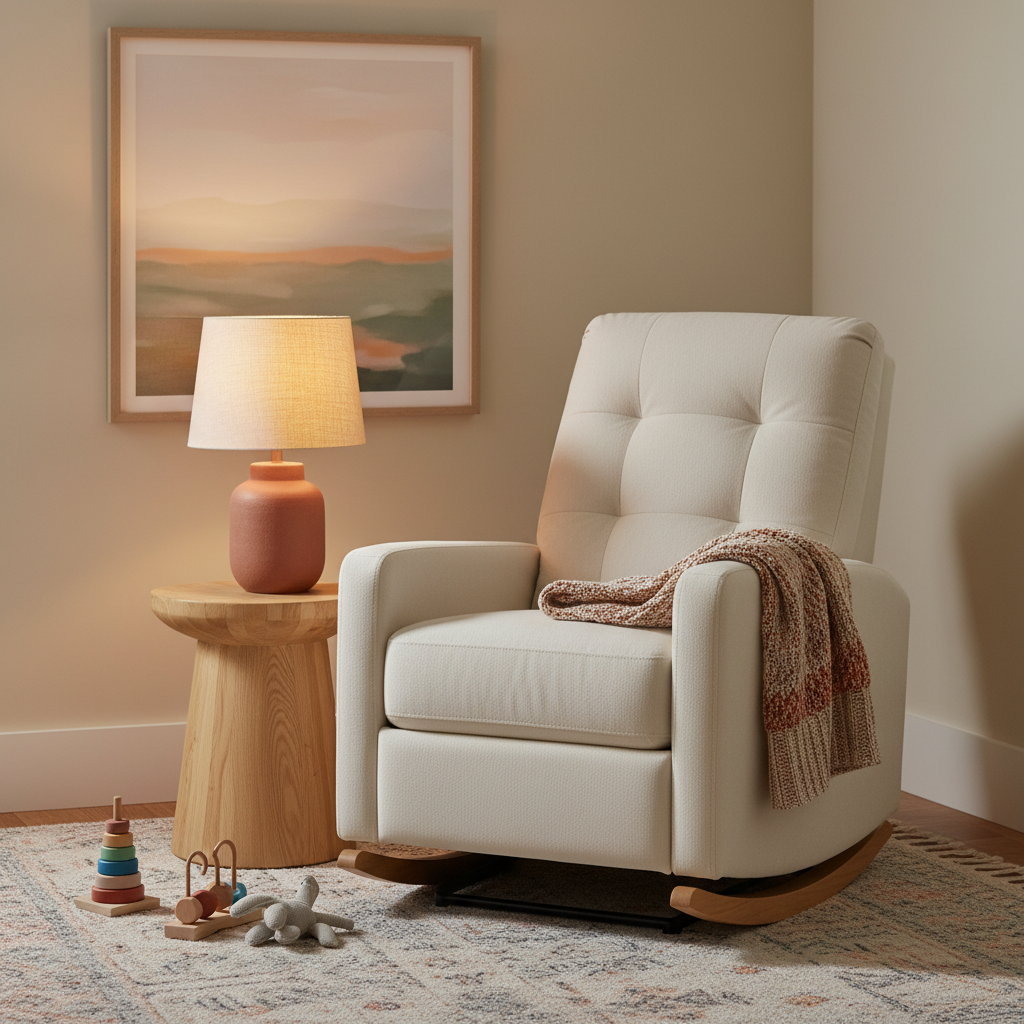
If you are searching for the best rated rocking chairs for nursery use, you probably are not just looking for something that rocks. You are looking for a chair that still feels good during the fourth feeding of the day, the half-awake 3 a.m. settle, and the stage when your baby wants one more book even though bedtime already happened twice. That is why the best nursery chair is rarely about one feature alone. It is about how the whole chair supports your routine.
The tricky part is that parents often use the same few words to mean very different things. Some are really looking for the best rocker recliner for nursery use because they want deeper recline and better rest during long feeding sessions. Some want the most comfortable nursery chair but care more about arm support and cleanup than full recline. Others need a chair that fits a small room and still feels worth keeping after the baby stage. A good comparison page should help you sort those priorities fast.
This guide keeps the focus there. Instead of repeating generic comfort claims, it breaks down what actually matters, how rocker recliners differ from simpler nursery chairs, and which Mamazing model makes the most sense depending on your space, cleaning needs, and budget comfort zone.
A nursery chair earns its rating through repetition. You are not testing it once in a showroom. You are using it when your shoulders are tight, when your baby falls asleep on one side but not the other, when you need to reach a burp cloth without standing up, and when you realize the nursery chair is quietly the piece of furniture you use more than almost anything else in the room.
That is why the most useful evaluation criteria are practical rather than dramatic. Start with four questions: does the chair support your arms during feeding, does the seat feel good for longer sessions, does the motion stay smooth and quiet, and will the upholstery still feel manageable after milk drips, spit-up, or snack-stage messes show up later? Those answers matter more than vague claims about luxury.
The best rated rocking chairs for nursery use also tend to combine more than one kind of comfort. Motion matters, but so do arm height, lower-back support, head support, recline style, and the amount of effort it takes to change position while holding a baby. A chair can look beautiful online and still become frustrating if the armrests are too low, the recline is awkward, or the fabric makes you nervous every time a bottle leaks.

That is also why this category often blends together terms like rocker, recliner, swivel chair, and nursery chair. In real life, parents are usually not shopping by terminology. They are shopping by use case. They want the chair that makes feeding easier, gives them a place to settle a sleepy baby, and still feels good enough to keep around long after the nursery changes.
If your main goal is gentle motion and a smaller visual footprint, a simpler rocking chair can still work well. It is often enough for shorter soothing sessions and may feel easier to place in tighter rooms. But if you know you will spend long stretches feeding, cluster-settling, contact napping, or recovering physically while sitting, a rocker recliner usually makes more sense. It gives you more postural options, which can matter a lot more than you expect once the chair becomes part of your daily rhythm.
The reason so many high-ranking queries include best rocker recliner for nursery is simple: parents are not only looking for motion. They are looking for motion plus rest. A rocker recliner can support upright feeding, semi-reclined recovery, and more relaxed storytime or cuddle sessions later. That flexibility is often what turns a chair from “nice nursery item” into “furniture I still use two years from now.”
A glider or swivel recliner may also make sense depending on your layout, but the same rule applies: the best option is the one that matches your actual routine. If you mostly want a calm feeding chair and do not care about deep recline, simpler is fine. If you want one chair that handles feeding, soothing, reading, and general rest, more adjustability often wins.
For Mamazing's lineup, the difference is less about whether a chair is “good” and more about which trade-offs fit you best. Some models lean lighter and simpler. Some lean more premium and feature-rich. The right choice depends on whether your priority is easy cleaning, stronger recline, smaller-room flexibility, or the most lounge-like seat for long sessions.
When parents say they want the most comfortable nursery chair, they are often talking about comfort that lasts, not comfort that only feels plush for a few minutes. In practice, the details that matter most are usually arm support, seat depth, back support, and how easily the chair lets you settle into a position without constant micro-adjusting.
Arm support is especially important. During feeding sessions, your arms do a surprising amount of work. A chair with better arm height and shape can reduce the urge to hunch or lift your shoulders the whole time. That is one reason Mamazing highlights its HugAssist armrests across multiple models. Whether the branding matters to you or not, the underlying point does: supportive arm placement matters more than many decorative features ever will.
Recline style matters too, but not always in the same way for everyone. Some parents barely use deep recline and mostly want a chair that rocks well and stays upright. Others immediately realize that the ability to shift backward, elevate legs, or rest more fully between feeds changes how the whole chair feels. If you are recovering postpartum, spending longer stretches in the chair, or simply know you like more lounge-style seating, recline flexibility should move higher on your list.
Motion quality also deserves more attention than it usually gets. A nursery chair should feel smooth and predictable, not squeaky, abrupt, or stiff. The point is to make the room calmer, not more distracting. This is why a good nursery chair often feels almost unremarkable when it works well. Nothing about the movement interrupts the moment.
The final real-life factor is cleanup. A chair that feels amazing but makes you nervous around milk, spit-up, or sticky toddler hands may not stay lovable for long. Fabric choice is not just a style decision. It changes how relaxed you feel using the chair every day.
The fastest way to compare nursery chairs is to stop asking which one is “best overall” in the abstract and start asking which one fits your routine best. Mamazing's current lineup gives you a few clear paths depending on what matters most.
| Model | Best for | Why it stands out | Trade-off to know |
|---|---|---|---|
| Lullapod Nursery Chair | Parents who want a feature-rich nursery rocker without going to the largest seat | Power recline, ports, cup holder, and a comfort-focused nursery setup | Not the most minimal-looking choice if you want a very stripped-back chair |
| Lullapod Zen | Parents who care a lot about easy-clean premium-feel upholstery | Silicone leather, lumbar pillow, and a more polished finish | If you strongly prefer softer woven fabric feel, another model may suit you more |
| Lullacloud | Families who want deeper manual recline and washable fabric | 165° manual recline, 360° swivel, and a softer practical everyday setup | No charging ports, so it feels more classic than tech-forward |
| Lullapod Max | Parents who want the most lounge-like, feature-heavy option | Higher weight capacity, more storage, massage feature, and fully loaded feel | Usually the biggest commitment if your nursery is compact or you want visual simplicity |
If you want a balanced all-rounder, the Lullapod line makes sense because it gives you the core nursery-chair feature set without immediately pushing into the most oversized option. If easy cleanup is high on your priority list, Lullapod Zen becomes more compelling. If deeper recline and washable fabric feel more important than built-in charging, Lullacloud becomes easier to justify. And if you know you want the most fully loaded rocker recliner experience, Lullapod Max is the chair aimed at that parent.

This is also where internal comparisons can help rather than confuse. If you want a broader view beyond this page, Mamazing already has adjacent reads on how to choose the best rocking chair for nursery use, best rocking chairs for nursery comfort and style, and rocking chairs, gliders, and recliners by use case. Those can help if you are still narrowing down the kind of chair you want before picking a specific model.
One of the easiest ways to make the wrong purchase is to shop only for the newborn phase. A nursery chair does not need to solve every possible problem, but it should solve more than one. That is why it helps to think about the chair in three practical filters: how much room you have, how much mess you expect, and whether you want the chair to stay useful beyond the nursery.
If your room is tight, the biggest question is not just chair width. It is how the chair moves inside the room. Swivel clearance, recline space, side-table space, and walking paths all matter. A smaller nursery can still handle a recliner, but only if the chair does not crowd the rest of the room. If square footage is limited, you are often better off choosing a model that feels balanced and easy to place rather than the most feature-heavy option.
If cleanup is your stress point, material moves to the top of the list. Silicone leather-style upholstery is easier to wipe down quickly, which can matter if you know the chair will double as your main feeding station. Washable covers, on the other hand, can be more appealing if you prefer a softer upholstered feel but still want a plan for spills. Neither is universally best. The right choice depends on whether you prioritize touch, speed of cleanup, or long-run maintenance confidence.

And if you want the chair to keep earning its footprint later, the most important question is whether it looks and feels at home outside the nursery. A chair that can move into a reading corner, bedroom, or living space tends to feel like a smarter buy because it is not locked to one short stage of family life. This is one of the strongest arguments for choosing a nursery chair with cleaner lines and a more grown-up finish rather than an overtly baby-specific design.
In other words, the best rated rocking chair for nursery use is not always the one with the longest feature list. It is the one that still feels like a yes when you picture it in your home six months later and two years later.
By the time you narrow down a few good nursery chair options, the decision often comes down to details. That is where it helps to separate genuinely useful upgrades from features that only sound impressive. Good arm support, practical recline, stain tolerance, and easy-care upholstery usually matter more than novelty.
For many parents, the best material is the one that removes low-level stress. If you know spills and wipe-downs will bother you, more wipeable upholstery can be worth prioritizing. If your top priority is a softer feel for long sessions, a woven or washable fabric chair may feel better day to day. The wrong answer is usually not the material itself. It is choosing a finish that does not match how you will actually use the chair.
Power recline is similar. It can absolutely be worth it, especially if you like changing positions often, expect to spend long stretches feeding, or want smoother adjustments while holding a sleeping baby. But it is not mandatory for everyone. Some parents are happier with a simpler mechanism if the seat, arms, and back already feel right. The upgrade matters most when it changes the way you use the chair, not just the way the spec sheet looks.
Built-in ports, storage pockets, and cup holders also sit in that same category. They are helpful if they support your real nursery habits. They matter less if you already keep a side table next to the chair and prefer a cleaner look. The chair should support your routine, not dictate it.

A simple maintenance routine also helps the chair age better. Wipe spills quickly, keep moving parts clear, avoid harsh cleaning products unless the fabric care instructions allow them, and think about direct sunlight if the chair will sit next to a bright window. A nursery chair usually stays nicer longer when you choose a model whose material and maintenance style already fit your life.
The best nursery chairs usually combine smooth motion, supportive arms, a seat you can stay in for a while, and upholstery you can realistically live with. In other words, a good nursery rocker should help with feeding and soothing without becoming uncomfortable halfway through the session.
Usually yes if you expect long feeding sessions or want more ways to sit comfortably, but not always. A rocker recliner gives you more flexibility, while a simpler rocker can work well if you want a lighter, less bulky chair and do not care much about deeper recline.
The best material is the one that fits your cleanup style. Wipeable finishes make quick messes easier, while softer fabrics can feel cozier for long sits. If you know spills will bother you, easier-clean upholstery is often worth prioritizing over pure softness.
That depends on the model and how much it reclines, but you should plan for the chair itself plus enough room for motion and comfortable walk-through space. The best approach is to map the footprint in your nursery first instead of assuming any recliner will fit once it arrives.
Usually the best choice is the chair that balances comfort with a manageable footprint, not automatically the one with the most features. If your room is tight, focus on how the chair swivels, reclines, and sits in the layout before you chase extra storage or bulkier add-ons.
Absolutely, and that is often part of what makes a better chair feel worth the money. The models that transition best are the ones that still look at home in a reading corner, bedroom, or living area once the nursery phase ends.
The best rated rocking chairs for nursery use earn that label when they make everyday care feel easier, not just prettier. If a chair supports your arms well, gives you the right amount of motion and recline, fits your room, and still feels manageable when life gets messy, it is doing the job that matters.
For Mamazing's lineup, the most useful comparison is not about which model has the most features in total. It is about which one fits your routine best. Lullapod works well as a balanced feature-rich choice, Lullapod Zen stands out if wipeable premium-feel upholstery matters most, Lullacloud makes sense if you want deeper manual recline and washable fabric, and Lullapod Max is the strongest fit if you want the most loaded rocker recliner experience.
If you are still narrowing things down, start with the real constraints: your room size, your cleanup tolerance, how much recline you actually want, and whether you want the chair to stay useful after the baby stage. Once those answers are clear, the right pick usually becomes much easier to see. And if you want to browse the full collection directly, the Mamazing nursery chair collection is the natural next step.
Featured Products


Ultra Compact Strollers for Busy Lifestyles: What to Look For Before You Buy
Good Rocking Chairs for Nursery Use: Affordable Comfort for New Moms