
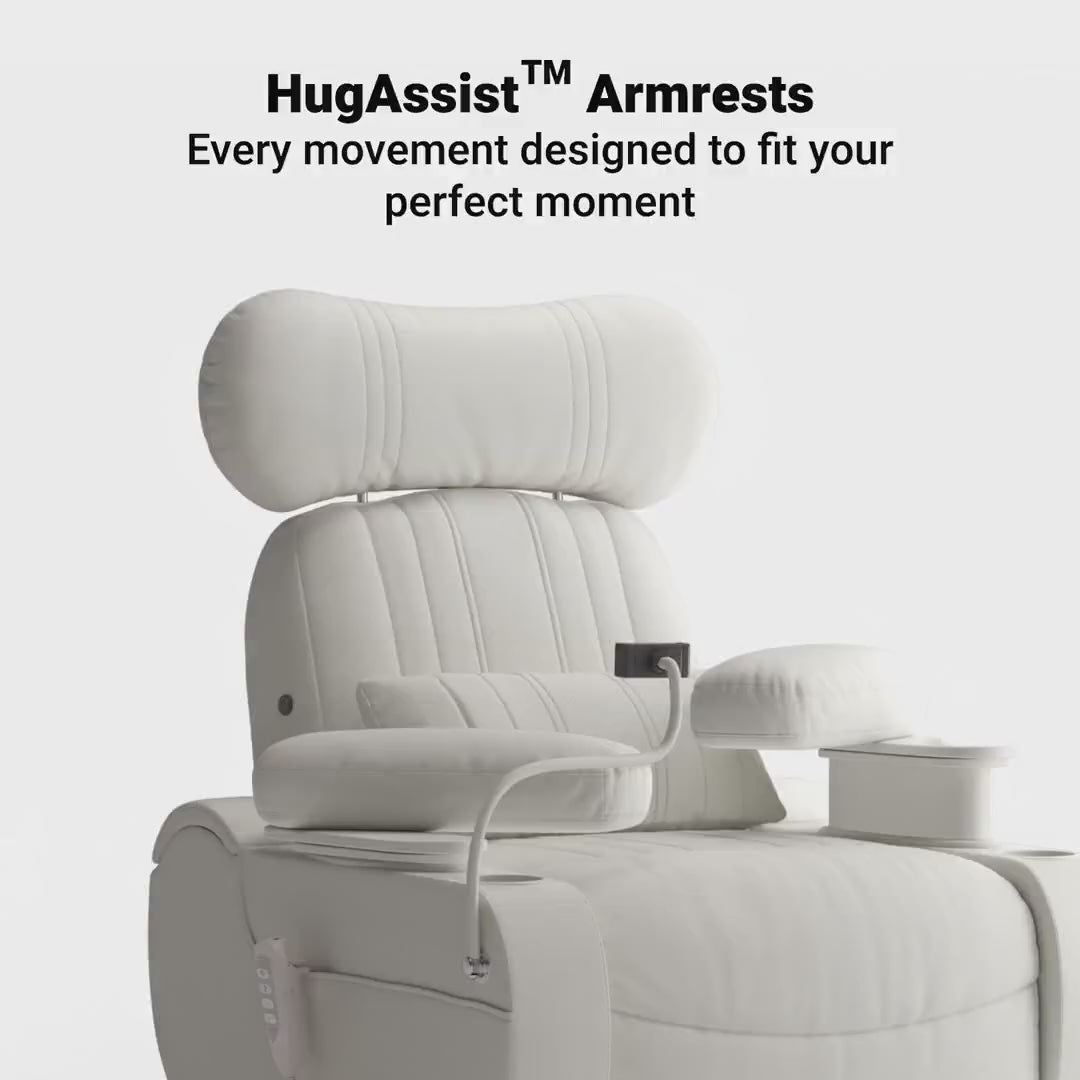
- by FangRussell
Best Nursery Rocking Chair Recliner for Feeding, Recovery, and Everyday Comfort
- by FangRussell
If you want one chair that can handle 2 a.m. feeds, sore-back mornings, and the long stretch between newborn cuddles and toddler story time, a nursery rocking chair recliner is usually the most practical choice. It gives you the soothing motion of a rocker, the body support of a recliner, and a more versatile seat than a basic wooden nursery chair.
The catch is that not every reclining nursery chair feels good in real life. Some look plush but leave your elbows unsupported. Others recline nicely but take over the whole room. And some sound impressive on a product page yet do not answer the questions that matter when you are tired: Will this help during feeding? Is it easier on postpartum recovery? Will it still be useful after the baby stage?
This guide breaks down what actually makes the best nursery rocker recliner, when it beats a glider, what to look for if you are breastfeeding or bottle-feeding, and where a premium option like the Mamazing Lullapod Max fits. If you are also comparing more classic shapes, Mamazing has related guides on the best rocking chair for nursery, nursery rocking chairs and gliders, and rocking chair vs glider for nursery.
A nursery rocking chair recliner is a padded nursery seat that combines calming motion with a reclining back and a more supportive sitting position than a basic rocker. In practice, that means you can feed your baby upright, lean back a bit during a long soothing session, and still use the same chair for reading, pumping, or simply sitting with better support.
The best versions do three things well:
That third point matters more than many parents expect. A recliner that only works in a highly themed nursery is harder to justify than one that can later move to a bedroom corner, office, or family room.
A rocking recliner works well because it solves two problems at once: it gives your baby motion and gives your body support. That combination is especially valuable when you are feeding several times a day, changing positions often, and dealing with the aches that can come with postpartum recovery.
HealthyChildren recommends choosing a chair with sturdy back and arm support for breastfeeding, plus pillows or a footstool if needed. ACOG also notes that back, neck, and joint pain are common after birth and suggests keeping your back supported, relaxing your shoulders, and using pillows to support your arms while feeding.
That is why the best nursing chair recliner is rarely the one with the flashiest feature list. It is the one that helps you:
If you are shopping with postpartum recovery in mind, the useful question is not “Does this chair recline?” It is “Does this chair help me stay comfortable through repeated, ordinary routines?”
If you are deciding between chair types, the right answer depends on how you plan to use the chair most often. A rocking recliner is usually the best all-around choice for feeding and longer sessions, a glider is great if you want predictable smooth motion, and a traditional rocker can work if you value simplicity and a smaller visual footprint.
| Chair type | Best for | Main advantage | Main trade-off |
|---|---|---|---|
| Rocking recliner | Parents who want one chair for feeding, soothing, and lounging | Most versatile support and positioning | Usually needs more clearance and costs more |
| Glider | Parents who want quiet, smooth motion in a controlled path | Easy soothing motion with less visual movement | Can feel less flexible if it does not recline much |
| Traditional rocker | Parents who want a simple chair and already use extra pillows | Classic look and smaller profile | Less built-in support for long feeding sessions |
If you still are not sure, a good shortcut is this: choose a glider if motion is your top priority, choose a traditional rocker if style and simplicity come first, and choose a nursery recliner if you want the broadest comfort range and the fewest compromises.
For a deeper comparison across chair families, Mamazing’s guide to gliders, rockers, and recliners is useful alongside this article.
The best nursery rocker recliner is the one that supports your body in the positions you actually use, fits your room, and does not become annoying after a week. A quick sit test can be more revealing than a long list of product bullets.
If you can test a chair in person, spend a few minutes in it the way you would actually use it at home. Sit upright, lean back slightly, rest your forearms as if you were holding a baby, and imagine reaching for a side table with one hand. That simple routine tells you far more than a showroom bounce test. If you are shopping online, try to recreate that same checklist by looking closely at seat depth, arm height, recline style, and room photos rather than focusing only on fabric swatches or broad “premium comfort” language.
Arm support matters because unsupported elbows quickly turn into shoulder and wrist fatigue. When you sit in the chair, notice whether your forearms can rest naturally with the baby in position. If the arms are too low, too hard, or too far apart, you will end up compensating with extra pillows and a hunched neck.
Soft does not always mean comfortable. A seat that lets your hips sink too low can make standing up harder, especially in the first weeks postpartum. Look for a back that supports you upright first, then allows a smoother lean back when you want it.
A good recliner should not demand a wrestling match to change positions. You want a smooth shift from upright to semi-reclined and enough control to stop where you are comfortable rather than only at one deep lounge angle.
Nursery life is messy. Spit-up, milk drips, lotion, diaper cream, and snack crumbs all end up on the chair eventually. Easy-clean upholstery is not a bonus feature; it is one of the things you will appreciate most by month two.
Do not only measure the chair footprint. Measure the space it needs to rock, swivel, and recline without hitting a crib, side table, wall, or basket. Many “small space” chairs fit the floor plan but fail once the room is actually set up.
If you want better long-term value, choose a silhouette and fabric that can leave the nursery later. The best nursery recliner chair often earns its keep by becoming a reading chair or extra living room seat after your feeding-heavy season ends.
You should choose your chair based on your daily routine, not just your wishlist. The same chair can feel perfect for one family and frustrating for another depending on room size, feeding setup, and how often both parents will use it.
Start with these filters:
If you are deciding between a compact rocker and a fuller recliner, be honest about how you feed. Parents who mostly sit upright for long sessions usually appreciate more structure. Parents who mainly want a quick soothing seat may be happy with something simpler.

Another helpful question: will you use the chair with one hand free? Reaching for a burp cloth, bottle, or remote is much easier when the chair has enough swivel or side access to support normal nursery movement.
The Mamazing Lullapod Max makes the most sense for parents who want a more premium nursery recliner rather than a minimalist rocker. Based on Mamazing’s positioning, it is designed for feeding comfort, smoother lounging, and a more polished look that can stay useful after the nursery phase.
That means it is not automatically the right choice for every family. If your highest priority is the smallest footprint possible, a simpler rocker may fit better. But if you want a chair that feels more like an everyday comfort seat and less like a single-purpose nursery accessory, the Lullapod Max is the kind of option worth comparing closely.
It is especially relevant if you care about:

If you are shopping broadly first, it also helps to compare it with Mamazing’s guides on the best rated rocking chairs for nursery and other top nursery rocking chair picks before choosing a final style.
The biggest buying mistakes usually come from evaluating a nursery recliner like showroom furniture instead of a working tool. A chair can look beautiful online and still be wrong for your actual routine.
That last point is important. A comfortable nursing chair is for awake care, not routine sleep. HealthyChildren advises that babies should sleep on a firm, flat sleep surface and warns against falling asleep with a baby on a couch or soft armchair.
Yes, a nursery rocking chair recliner is usually worth it if you expect to spend a lot of time feeding, soothing, or holding your baby in that chair. The value comes from how often you use it and how much comfort it adds to ordinary routines, not from the label “nursery furniture.”
It tends to be worth the investment when:
It may be less worthwhile if you already have a comfortable upholstered chair at home, you have a very tight room, or your nursery plan depends on an extremely compact piece.
Another useful way to think about value is cost per hour of use. A nursery chair is one of the few baby-related purchases that can become part of your daily rhythm for months, sometimes years. If it makes feeding more comfortable, lowers the amount of repositioning you do, and remains useful after the nursery stage, it often earns its place more than highly specific gear that gets packed away after one short season.
For most parents, though, this is one of the few nursery purchases that gets used every day. A well-chosen nursery rocker recliner can make feeding feel easier, help you settle in without tensing your shoulders, and give you a more comfortable place to land when the day feels long.
The best nursery rocking chair recliner is not the one with the most dramatic feature list. It is the one that keeps you comfortable during real feeding sessions, fits your room without awkward compromises, and still feels like a smart piece of furniture after the newborn phase.
If you want the broadest mix of support, motion, and long-term usability, a rocking recliner usually beats a basic rocker. If you are narrowing down premium options, the Mamazing Lullapod Max is worth a look alongside Mamazing’s other nursery seating guides. The right chair should make your routine feel calmer, not more complicated.
Yes, if it keeps your back supported, your feet planted or supported, and your arms from doing all the work. HealthyChildren notes that a feeding chair should have sturdy back and arm support, and ACOG also suggests using pillows to support your arms and keeping your back supported during breastfeeding.
A glider usually moves on a fixed track with a smooth back-and-forth motion, while a rocking recliner adds a recline function and often a roomier seat. If you want the simplest soothing motion, a glider can work well. If you want one chair for feeding, contact naps, and everyday lounging, a rocking recliner is usually the more versatile pick.
Usually, yes. A good nursery recliner can move into a reading corner, bedroom, or living room once the newborn phase ends. The key is choosing a shape and fabric you would still want to use when you are no longer planning your day around feedings and soothing sessions.
The most helpful features are a supportive back, usable arm height, easy in-and-out movement, and enough recline to change positions without feeling stuck. If you are recovering from a C-section or dealing with back, neck, or joint discomfort, small ergonomic details usually matter more than flashy extras.
No. HealthyChildren explains that babies should sleep on a firm, flat sleep surface, and it warns that falling asleep with a baby on a couch or soft armchair is especially risky. A nursery recliner is for feeding, soothing, and cuddling while you are awake, not for routine infant sleep.
It can be, if your room has enough clearance for rocking, swivel, and recline without blocking a dresser, crib, or walkway. Before buying, measure the chair footprint and also the movement space it needs around it. A chair that fits on paper can still feel oversized once you add side tables, baskets, or a floor lamp.
Featured Products


Best Breastfeeding Chair: Comfort, Support & Smart Nursery Picks
What Is a Recliner Chair? Meaning, Types, Features, and Uses