
- by FangRussell
How to Choose a Lightweight Stroller for Travel: 10 Buying Factors That Matter
- by FangRussell
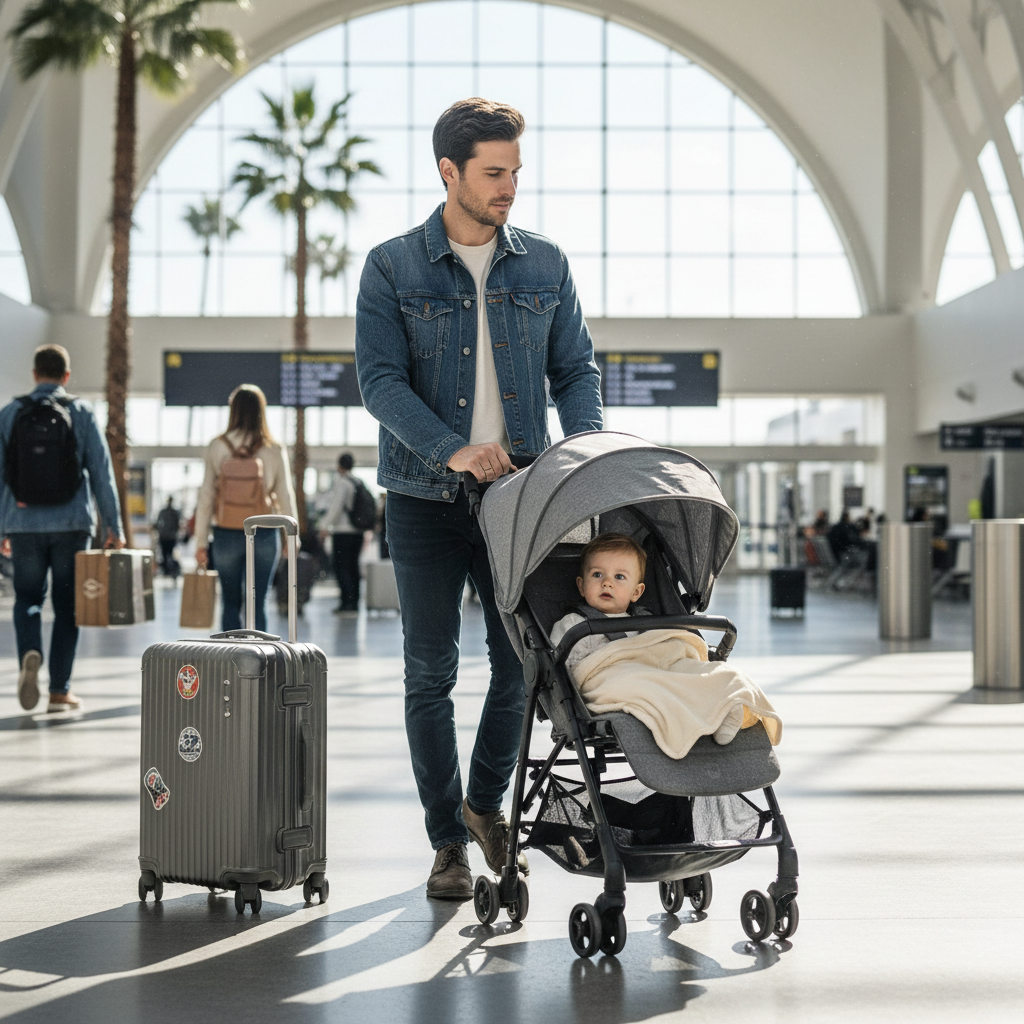
A lightweight stroller for travel should do more than shave a few pounds off your packing list. It should fold fast, fit the spaces you actually use, feel stable when your child shifts around, and make airports, sidewalks, and day trips easier instead of more chaotic. If a stroller is light but awkward, flimsy, or annoying to carry, it is not really travel-friendly.
If you have ever tried to manage a baby, a suitcase, and a bulky stroller in the same five minutes, you already know why this matters. The right stroller can take real pressure off your day. The wrong one can turn every gate change, taxi stop, cafe doorway, and hotel elevator into one more thing to wrestle with. That is why choosing a lightweight stroller for travel is less about chasing the smallest spec and more about understanding which features will actually help you once the trip starts.
This guide keeps the same practical goal as the original article, but with a clearer buying lens. You will walk through the 10 factors that matter most, how to decide which ones deserve priority for your kind of travel, and which extras are helpful without being essential.
A stroller becomes truly travel-friendly when it saves effort in motion. That usually means a mix of low carry weight, a compact fold, dependable steering, enough comfort for naps and longer outings, and safety features that are easy to use even when you are tired or distracted.
The key difference is that travel strollers live in transition. They are opened and closed more often, lifted more often, stored in tighter spaces, and pushed across a wider mix of surfaces than many everyday strollers. So instead of asking only, “Is it lightweight?” ask, “Will this still feel helpful after the third fold of the day?” That question usually leads to better choices.
If you want a broader companion read after this guide, Mamazing's overview of a lightweight stroller for travel is a good next step.
For most parents, a lightweight stroller for travel falls somewhere between about 9 and 15 pounds. But the better way to think about it is not by category label. It is by how the stroller feels when you have to lift it quickly into a car trunk, carry it up a short staircase, or fold it one-handed while your child is getting impatient.
If you fly often or use transit a lot, lighter usually helps. If you mostly take road trips or want the stroller to pull double duty for everyday outings, going slightly heavier can be worth it if the stroller feels sturdier and more comfortable. The lightest travel stroller is not automatically the best stroller for travel. If dropping two pounds costs you seat comfort, wheel quality, or stability, that tradeoff may not be worth it.
A simple filter helps here:
Weight matters, but folded size and folding speed often matter just as much. A stroller can be fairly light and still feel inconvenient if it folds awkwardly, takes two hands every time, or stays bulky enough to dominate the trunk and every hotel corner.
The most useful travel strollers usually have a fold that feels intuitive under mild stress. You should not need a perfect setup, a flat studio floor, and two free hands for it to work. That is especially true if you are traveling alone with your child or juggling boarding documents and bags.
If air travel is a major use case, focus on three things first: folded size, carry comfort, and whether the stroller becomes compact enough to move through the airport without becoming its own piece of luggage. Even if you are not planning to put it in an overhead bin, a smaller folded shape makes gate checks, taxis, and hotel arrival smoother.
This is where many parents overfocus on headline weight and underfocus on folded dimensions. If a stroller folds into an awkward, floppy, or oversized shape, it can still feel cumbersome even when it looks lightweight on paper.
For road trips and everyday use, folded size still matters, but comfort and quick setup start to carry more weight. If you are not lifting the stroller through terminals all day, it may be worth accepting a little more bulk for a better seat, smoother push, or more useful storage basket.
Yes, but you should judge sturdiness by how the stroller behaves, not just by what material is listed on the page. A lightweight stroller can still feel solid if the frame is well designed, the joints lock cleanly, and the wheels track predictably. A premium material alone does not guarantee a better real-world travel experience.
This is one place where travel parents benefit from a little skepticism. Phrases like “premium frame” or “travel-ready construction” sound good, but what you actually want to know is whether the stroller feels balanced when turning, stable when your child leans, and resilient enough for repeated folding and storage.
Look for cleaner signals instead:
If you want a stroller that feels portable without feeling delicate, that middle ground is often more valuable than chasing either the lightest or the most rugged-looking option.

A stroller that is good for travel should collapse into something you can live with, not just something you can technically store. Think about where it will go on a real trip: trunk, rental car, train platform, hotel room corner, restaurant table edge, and home closet after the trip is over.
That is why compactness is more than a nice bonus. It directly affects how often the stroller feels helpful versus annoying. If you are looking for a compact stroller for air travel, folded shape and carry convenience usually matter as much as raw dimensions. A clean, compact fold is easier to stash, easier to pick up, and less likely to knock into everything around you.
As a quick test, imagine arriving late, carrying a tired child, and trying to get into your room fast. Would the folded stroller feel like a small suitcase or like a stubborn piece of gear you have to negotiate with? That mental picture is surprisingly useful.
Lightweight does not have to mean bare-bones. A travel stroller still needs to feel decent for your child, especially if sightseeing, airport delays, or long walks are part of your normal travel rhythm. A seat that reclines, a canopy that actually shields, and fabrics that do not feel suffocating on warmer days all make a difference.
Comfort is also one of the biggest reasons some parents regret going too minimal. If your child dislikes the seat, everything becomes harder. That does not mean you need the plushest stroller on the market. It does mean you should check whether the seating position, recline, leg support, and canopy coverage make sense for how long your child may be riding in it.
For babies who may nap in the stroller during outings, recline and support matter more. For toddlers, the key is often whether the stroller still feels roomy and stable enough that riding is a relief, not a battle.
Safety is one of the clearest signs of whether a stroller is truly usable for travel. On busy travel days, you need features that are easy to use consistently, not features that only look good in a product description. A secure harness, reliable brakes, and a stable frame matter more than clever accessories.
HealthyChildren.org recommends checking for practical basics like effective brakes, locking mechanisms, and places where little fingers cannot get pinched. That advice is especially relevant for travel, where the stroller gets folded, unfolded, and parked in unfamiliar places more often.
It also helps to think about safety in the rhythm of the trip. The CDC Yellow Book guidance for traveling with infants and children is a good reminder that transitions create risk because adults are distracted and moving fast. In stroller terms, that means using the harness even for short stops, setting the brake whenever you pause on a slope, and not treating “just for a second” as a free pass.
If your baby naps in the stroller during an outing, keep one more boundary in mind: a stroller nap during supervised travel is not the same thing as a routine sleep environment. The NICHD Safe to Sleep guidance still points parents back to a firm, flat sleep surface for regular sleep once practical.
Not every lightweight stroller works well at every age. Some are best once your baby has stronger head and trunk control. Others can work earlier if they offer deep recline or compatible attachments. If you are shopping for a newborn, do not assume a lightweight frame automatically means newborn-friendly design.
For toddlers, the question usually changes. The issue is less about recline depth and more about whether the stroller still feels stable, roomy, and easy to push with a heavier child inside. A stroller can be technically within the weight limit and still feel less pleasant once your toddler grows.
So before you buy, ask two things:
A little forward thinking here can save you from buying too narrowly for one trip.

Airports, sidewalks, narrow shop aisles, and hotel corridors all reward a stroller that turns cleanly and pushes with less effort. That is why wheel design matters more than some parents expect. A stroller that feels twitchy, catches easily, or transmits every bump will not feel like a travel upgrade for long.
You do not need an oversized all-terrain setup for most travel. But you do want wheels and suspension that can handle the kinds of surfaces you are likely to meet: paving seams, curb cuts, uneven sidewalks, museum floors, and the occasional rough patch outside the station.
If your trips are mostly urban and airport-based, prioritize clean steering and easy push. If they include rougher sidewalks or older streets, place a bit more value on suspension and wheel confidence. Either way, the right stroller should reduce strain, not just reduce carried weight.
Some extras genuinely help. Others just make the product page look busy. For most travel parents, the most useful add-ons are the ones that support movement and daily practicality: a usable basket, a decent canopy, a travel bag or carry strap, and maybe weather protection if your trips are not always predictable.
Nice extras can be worth it if they solve a real problem for you. But they are still secondary to the basics. If choosing between a better fold and a better cup holder, pick the fold. If choosing between stronger wheel performance and a prettier accessory set, pick the wheels.
This is also where internal comparison helps. If you want more clarification on which features matter versus which ones are often overhyped, Mamazing's article on what features actually matter for travel is worth reading after this one.
A travel stroller gets opened, closed, packed, carried, and rolled through more situations than many standard strollers. That makes support and replacement access more important than it may seem at first. A brand with responsive service, clear warranty terms, and accessible replacement parts can save you a lot of frustration later.
This should not be the first factor you judge, but it should be part of the final comparison between otherwise similar options. If two strollers are close, the better long-term support can be the tiebreaker.
If you want one fast way to compare models, use this checklist:
If a stroller clears those seven questions, it is probably a serious contender. If it only looks impressive in the spec list, keep comparing.

Start with the basics that affect real travel days: manageable weight, a compact fold, dependable wheels, a secure harness, and enough seat comfort for your child’s age. Once those are covered, compare extras like storage, carry straps, and weather accessories.
Most lightweight travel strollers land somewhere between about 9 and 15 pounds. For many parents, the right choice is not the lightest stroller available, but the lightest one that still feels stable, comfortable, and easy to fold.
Yes, many can, especially if the frame feels solid and the wheels are competent enough for your usual surfaces. The key is to avoid assuming that every lightweight stroller is equally durable just because it looks compact.
Sometimes, but only if the stroller offers the right support for that stage, such as a deeper recline or compatible newborn setup. If it does not, it is usually better suited to babies who are a little older.
Prioritize weight, folded size, ease of folding, wheel quality, harness and brakes, and a seat your child will actually tolerate. Those factors usually matter more than decorative extras.
Clean the fabric and wheels regularly, check the folding points and brakes, and store it somewhere dry when you can. A little routine maintenance helps a travel stroller stay smoother and more reliable over time.
The best lightweight stroller for travel is not the one with the most impressive headline spec. It is the one that fits the way your family actually moves. If you fly often, compact fold and easy carry may matter most. If you mix travel with daily errands, you may want a little more comfort and sturdiness. If your child is older and heavier, stability may matter more than chasing the lightest possible frame.
That is why a good buying decision usually starts with priorities, not with hype. If you already know you want a travel-focused option to compare next, Mamazing's Ultra Air X is one example to evaluate through the checklist above. And if you want more model-level comparison before choosing, the article on best lightweight travel strollers is the natural next read. The goal is simple: choose the stroller that makes travel feel lighter in practice, not just in the product description.
Featured Products


Best Lightweight Travel Stroller for 2025: What to Check Before You Buy
Compact Pushchair Strollers: Why They're a Must for City Living