
- by FangRussell
Best Lightweight Travel Stroller for 2025: What to Check Before You Buy
- by FangRussell
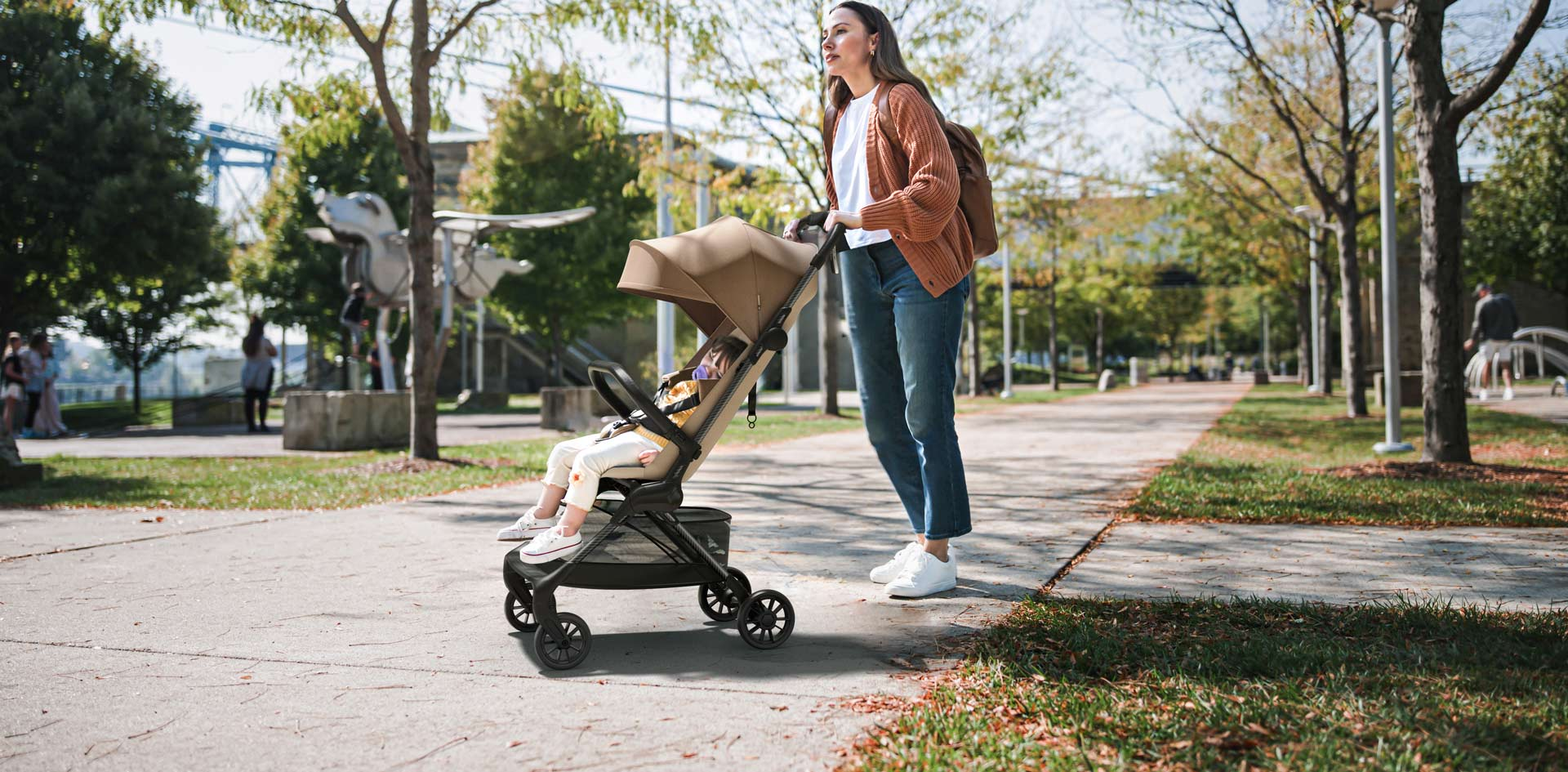
If you are trying to find the best lightweight travel stroller for 2025, the most helpful question is not simply “What is the lightest model?” It is whether the stroller feels easy to live with when you are rushing through an airport, folding it beside a taxi, wiping off snack spills, or squeezing it into a small trunk at the end of a long day. A good travel stroller should make those moments easier, not just look compact on paper.
That is why the best lightweight stroller for travel usually gets the basics right in a very practical order: manageable carry weight, a compact fold, enough comfort for naps on the go, fabrics that do not punish you after one messy outing, and a frame that still feels solid after repeated trips. If you are still comparing options, Mamazing also has a more detailed buying-factor breakdown that pairs well with this guide.
A lightweight travel stroller is usually one that stays easy to carry, quick to fold, and compact enough for everyday travel friction points. In practice, many parents start calling a stroller “lightweight” when it lands somewhere under about 15 pounds, but weight alone does not tell the whole story. A stroller that is technically light can still feel awkward if it folds into a bulky shape, needs two hands every time, or takes up half your trunk.
For travel, the better test is this: can you fold it quickly, carry it without dread, and store it without rearranging your whole day? That is the difference between a stroller that is merely light and one that is genuinely travel-friendly. Parents flying often, using public transportation, or living in apartments usually notice that fold shape and carry convenience matter almost as much as the number on the spec sheet.
| What to compare | Good travel target | Why it helps | Best fit for |
|---|---|---|---|
| Weight | Usually under 15 lb | Less strain when carrying or lifting | Frequent flyers, stairs, daily errands |
| Fold shape | Compact and self-contained | Easier storage in trunks and hallways | Small cars, apartment living |
| Fold action | Quick, low-fuss closure | Less stress when your hands are full | Solo outings with baby |
| Seat and canopy | Supportive seat, useful shade | Helps naps and longer outings | Day trips, sightseeing, long waits |
| Easy-clean surfaces | Wipeable touchpoints | Faster recovery after spills and dust | Travel, parks, snack-heavy outings |
The best lightweight travel stroller usually earns that label because it removes small annoyances again and again. Before you get impressed by marketing language, check the parts of the stroller you will actually touch most often.
That is also why we would not reduce this topic to “the lightest stroller wins.” In real travel, a slightly heavier stroller with a better fold, steadier push, and faster cleanup can be the better choice.
It helps to imagine the hardest minute of the outing rather than the happiest one. Are you closing the stroller with a diaper bag on your shoulder? Carrying it up a short staircase? Reopening it while your child is fussy? Those moments reveal whether a stroller is genuinely travel-friendly. The best travel stroller lightweight choice is the one that keeps those friction points from becoming the whole memory of the day.

Yes, if the stroller is designed around smart tradeoffs instead of just aggressive weight cutting. A lightweight frame should still feel stable over door thresholds, terminal floors, and uneven sidewalks. Parents who travel often also care about whether a stroller still looks decent after being folded, loaded, and brushed against tight spaces again and again.
If you care about durability, look beyond the headline weight and pay attention to the frame material, how much flex you feel when pushing, whether the canopy and seat fabrics wipe clean easily, and whether the finish will show every scuff after gate checks or trunk transfers. This is where the live search interest around a “scratch resistant stroller” makes sense: searchers are not asking for a cosmetic detail only. They want a stroller that still feels worth owning after repeated wear.
Comfort matters just as much. A travel stroller should still support naps, longer walks, and overstimulated travel days. Useful signs include a seat with enough back support, a recline that suits your child’s age, breathable fabrics, and a canopy that provides real shade instead of token coverage. If you want to compare more travel-specific use cases, Mamazing’s lightweight stroller for travel guide is a helpful next read.
A good way to judge this section in person is to separate “comfort for five minutes” from comfort for two hours. Some lightweight strollers feel pleasant during a quick push in a store, then start to show their limits on longer outings because the seat lacks support, the canopy is too shallow, or the wheels transmit every bump. Travel days are rarely smooth for long, so a stroller that keeps your child calmer over time is often the better buy even if it is not the absolute lightest option in the category.
The easiest stroller to clean is usually the one with fewer fussy surfaces and more wipeable touchpoints. That sounds simple, but it becomes a big deal after juice spills, sunscreen hands, city dust, beach grit, or a snack pouch that leaks in the basket. This is one of the clearest supporting intents in the article’s GSC data, so it deserves a real answer instead of one short maintenance paragraph.
Look for fabrics that can handle spot cleaning, a seat area that does not trap crumbs in too many seams, wheels that can be wiped after outdoor use, and a fold joint that stays smooth with basic maintenance. Parents who travel often also appreciate finishes that do not show every mark immediately, especially around the frame and footrest.
You do not need a stroller that feels precious. You need one that recovers quickly after normal family use, because that is what makes a lightweight stroller genuinely travel-ready over time.
Cleanup also affects how often you will actually want to use the stroller. When maintenance feels annoying, parents start avoiding the product on the very days they bought it for. That is why easy-clean materials belong in the main buying conversation, not as an afterthought. A stroller that handles spills, dusty sidewalks, and repeated folding without turning into a project is doing real travel work.
The best lightweight stroller for travel can stay useful across more than one stage, but only if you are honest about what your child needs right now. For a newborn, the most important questions are recline support and manufacturer guidance. If the seat does not offer the right setup for a very young baby, it may be better as a later-stage stroller rather than a day-one solution.
That is also where safety language matters. The American Academy of Pediatrics' parent guidance notes that stroller safety depends on basics like using the harness consistently, not overloading handles, and watching a baby closely if they doze off during an outing. HealthyChildren also advises moving a baby who falls asleep in a stroller to a firm sleep surface as soon as practical rather than treating the stroller as a routine sleep space. You can read that guidance at HealthyChildren’s stroller safety guide and AAP safe sleep guidance.
For older babies and toddlers, the decision often shifts toward seat height, legroom, push feel, and how pleasant the stroller remains on longer outings. If you are hoping to buy one stroller that lasts, look for a model that still feels easy to steer and comfortable as your child gets heavier, not one that only feels good in a staged product photo.
Many parents also do better with a realistic two-part question here: “Can this stroller support my child now?” and “Will I still like using it six months from now?” Those are not always the same answer. A stroller can technically fit a stage but still feel cramped, awkward to recline, or less pleasant once your child wants longer outings and stronger support. Thinking ahead a little can keep a lightweight purchase from turning into a very short-term solution.
This is where a lightweight compact travel stroller proves whether it deserves the travel label. A stroller can feel fine in a showroom and still become annoying when you are folding it beside a rideshare, carrying it up apartment steps, or sliding it into a packed trunk with groceries and luggage already inside.
For frequent flyers, compact fold dimensions matter as much as stroller weight. Some lightweight strollers can fit in overhead bins, but that is never universal, and airline size rules change by carrier and aircraft. A safer promise is this: choose a stroller that folds small, check the airline’s latest cabin and gate-check rules before you travel, and avoid assuming that a compact frame will always be accepted onboard.
Families living in apartments or using transit every week often care about the same things travelers do: a stroller that stands in a narrow hallway, folds without drama, and does not feel like a household object that constantly gets in the way. If that sounds like your life, Mamazing’s compact travel stroller guide is a natural companion piece.
This is also why “apartment-friendly” and “travel-friendly” so often overlap in search behavior. Both are really asking the same practical question: does the stroller disappear smoothly when I am not using it? If the folded stroller dominates your entryway, makes trunk packing harder, or requires too much rearranging at every stop, it is not delivering the freedom that a good lightweight stroller should give you.

The right stroller depends on where the hassle shows up in your life. If your hardest moments happen in airports, prioritize compact fold dimensions, carry ease, and fast setup. If you mostly need a stroller for everyday errands with occasional trips, comfort and push feel may matter more than shaving off the last pound. If you have a small car or live upstairs, folded shape and easy storage should move higher on your list than fancy extras.
It helps to think in routines instead of abstract wish lists:
The CPSC’s stroller guidance highlights the importance of features like restraint systems, brakes, stability, and secure folding mechanisms, all of which are worth checking before you buy. You can review that directly on the CPSC carriages and strollers page. In other words, the best lightweight travel stroller is not just easy to carry. It is the one that still feels safe, practical, and low-stress when family travel is messy and real.
If you are stuck between two good options, rank them by the problem you most want the stroller to solve. Parents often get more value from the model that fixes one daily frustration really well than from the one that looks strongest across a long list of minor features. If smoother transit, easier cleanup, or a more compact fold would noticeably improve your routine, that is probably the direction worth paying for.
For many parents, lightweight starts somewhere under 15 pounds, but the better test is whether the stroller folds small and feels easy to carry in real situations. A compact fold and quick setup often matter just as much as the number on the scale.
Sometimes, yes, but only if the model is designed for that stage and the manufacturer says it is appropriate. Check recline support carefully, and do not assume every lightweight stroller is a true newborn fit just because it looks comfortable.
Some do, but airline and aircraft rules vary enough that you should always verify dimensions before you fly. A stroller marketed as compact or cabin-friendly still needs to match your airline’s current requirements.
Prioritize wipeable surfaces, accessible seams, and wheels that are easy to clear of dirt after outdoor use. The easiest stroller to maintain is usually the one that handles quick spot-cleaning well, not the one with the longest feature list.
Yes, many are, as long as the frame feels stable, the fold stays consistent, and the seat and wheels hold up to your routine. Lightweight does not have to mean fragile, but it does mean you should pay closer attention to material quality and everyday push feel.
The best lightweight travel stroller for 2025 is the one that solves your most common points of friction: carrying, folding, cleanup, comfort, and compact storage. When a stroller handles those jobs well, travel starts to feel more manageable and everyday outings feel less like logistics work.
If you want to keep comparing with a product in mind after you have the criteria clear, Mamazing’s Ultra Air X travel stroller is a useful place to continue your search.
Featured Products


How Lightweight Strollers Revolutionize Daily Walks: A Hands-On Guide
How to Choose a Lightweight Stroller for Travel: 10 Buying Factors That Matter