
- by WengGracy
Stroller Naps: How to Help Baby Sleep in a Stroller
- by WengGracy
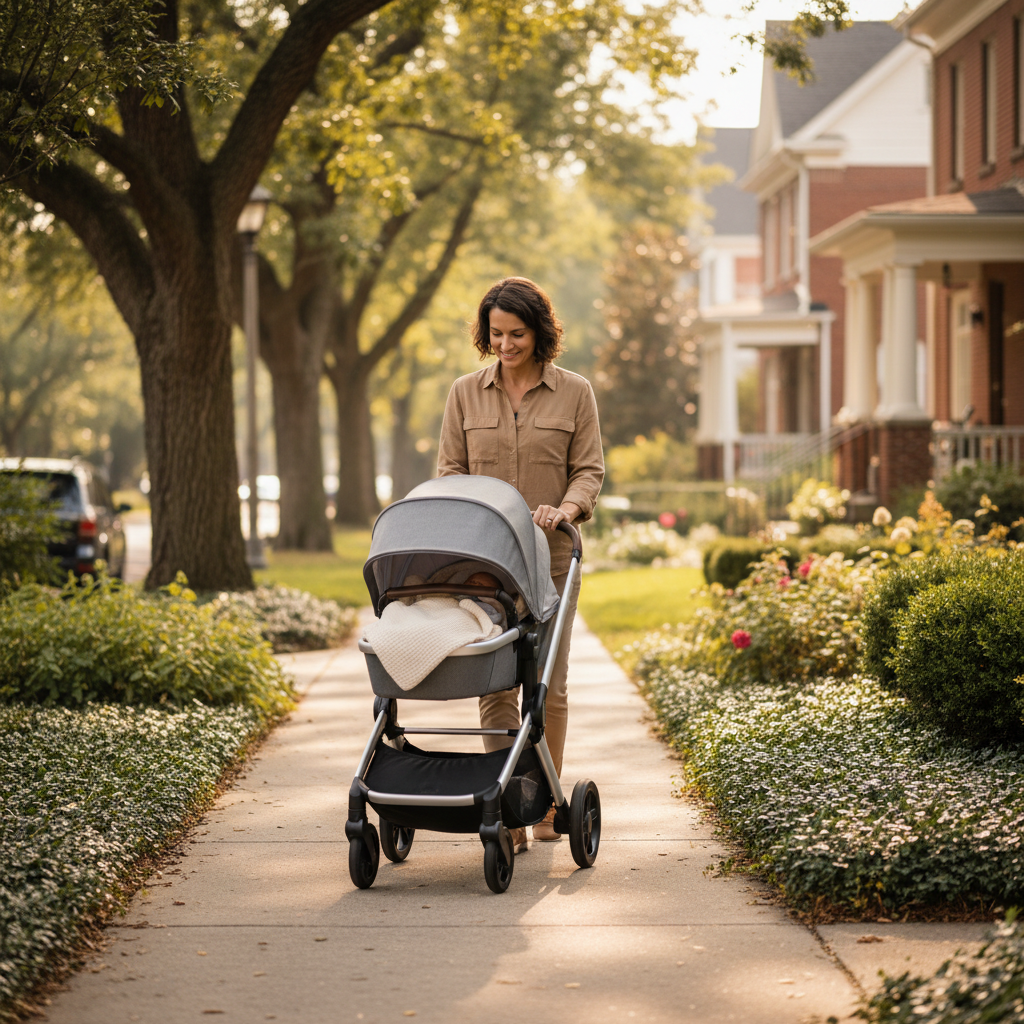
A stroller nap can feel like a small parenting victory. Your baby is tired, you are out for a walk, waiting at school pickup, moving through an airport, or trying to finish one errand before the next feeding. Sometimes the most realistic nap is the one that happens while you are already on the move.
Still, baby sleep in stroller settings needs a clear safety boundary. A stroller can be useful for a supervised outing nap, but it should not be treated as your baby's routine safe sleep space. When you can, transfer baby to a firm, flat sleep surface on their back, such as a crib, bassinet, or play yard that is approved for sleep.
This guide gives you practical stroller nap tips for real life: how to time the outing, set up the stroller, watch baby's position, keep airflow open, avoid common mistakes, and decide when to move baby from the stroller to a safer sleep space. Choosing and using the right baby stroller can make outings smoother, but active supervision matters more than any feature.
Yes, a baby may fall asleep in a stroller during a supervised outing. That does not make the stroller a routine sleep space. The safer approach is to keep baby visible, secured, and well positioned while you are out, then move baby to a firm, flat sleep surface on their back as soon as it is practical.
The American Academy of Pediatrics explains that babies should sleep on their backs on a firm, flat, non-inclined surface, and that if a baby falls asleep in a stroller, car seat, swing, carrier, or sling, parents should move the baby to a firm sleep surface on the back as soon as possible. You can read the full safe sleep guidance from HealthyChildren.org.
Think of stroller naps as outing naps, not crib replacements. That distinction keeps the advice practical without making the stroller sound safer than it is.
Before you focus on motion, shade, or timing, set up the safety basics. These rules apply whether you are using a full-size stroller, compact travel stroller, stroller bassinet, or infant car seat attachment for transport.

A stroller nap should happen while an awake caregiver is nearby and able to check baby's face, breathing posture, and comfort. Do not park a sleeping baby in a stroller and walk away, even for a short chore. Avoid leaving the stroller in a hallway, garage, restaurant corner, hotel room, or entryway while baby continues sleeping unattended.
Visibility also affects how you use the canopy. A canopy can reduce light and stimulation, but you still need a clear way to see baby's face. If you cannot quickly check baby's nose, mouth, chin, and color, adjust the shade or your position.
Young babies have limited head and neck control. If the stroller seat is too upright for your baby's stage, baby's head may fall forward or to the side. That chin-to-chest position is a warning sign because it can narrow the airway. Use only the stroller modes, recline angles, and attachments allowed by the manufacturer for your baby's age, weight, and development.
The Consumer Product Safety Commission notes that infant sleep products marketed or intended for sleep must meet federal requirements, including limits related to sleep surface angle for products not already covered by another mandatory standard. The CPSC also explains that products with a sleep surface incline greater than 10 degrees are covered by the inclined sleeper ban. See the CPSC inclined sleeper FAQ and the CPSC infant sleep products safety standard announcement for more detail.
Use the stroller harness according to the manual, even when baby is asleep. A properly adjusted harness helps keep baby from sliding, twisting, or shifting into a poor position. When stopped, lock the brakes before you adjust the seat, check baby, answer a phone, or take a sip of water.
Stability matters too. HealthyChildren.org recommends looking for stroller safety features such as a wide base, reliable brakes, a five-point harness, and safe folding mechanisms. It also warns against hanging heavy bags from stroller handles because that can make a stroller tip. If you want a broader buying checklist, Mamazing's guide on how to choose a baby stroller walks through age, safety, and lifestyle fit.
Do not add unapproved pillows, loose blankets, head positioners, thick aftermarket inserts, or wedge-style accessories to make the stroller seem more sleep-friendly. They can change baby's position, interfere with the harness, trap heat, or create soft surfaces around the face.
Use accessories only if they are approved by the stroller manufacturer for your exact model and your baby's stage. If an item promises to make stroller sleep safer but is not part of the stroller system, be skeptical and ask your pediatrician when in doubt.
The easiest stroller nap is usually the one that lines up with baby's natural sleepy window. You do not need a perfect schedule, but a little planning can prevent an overtired baby from fighting every bump, light, and sound.
Try to begin the walk or errand close to the time baby normally naps. Many babies show early sleepy cues before they cry: quieter behavior, slower movements, staring away, rubbing eyes, yawning, or mild fussing. If you wait until baby is fully upset, the stroller may feel stimulating instead of calming.
For errands, build in a small buffer. Buckle baby, check the diaper, adjust layers, and start moving before the nap window has completely passed. For walks, choose the first few minutes carefully. A calm sidewalk may work better than a crowded store entrance or busy parking lot.
A portable routine gives baby a familiar signal without turning the outing into a production. You might do a diaper check, feed and burp if needed, offer a pacifier if your baby already uses one, lower the canopy partway, and say the same short phrase you use before naps at home.
Keep it simple enough that another caregiver can repeat it. The goal is not to recreate the nursery. It is to help baby move from alert outing mode to drowsy rest while you maintain supervision.
Some babies relax with steady motion, while others wake with every curb. If you are trying to help baby nap, pick a predictable route with smoother surfaces, fewer sudden stops, and lower noise. A shaded park loop may work better than a grocery aisle with bright lights and frequent turns.
For travel days, stroller naps can be useful during layovers, long walks between gates, or hotel check-in. If travel is a regular part of your routine, this Mamazing guide to choosing a lightweight stroller for travel can help you think through weight, fold, and everyday movement without making stroller sleep the main reason to buy.
Comfort helps, but comfort should never override visibility, airflow, positioning, or the stroller manual. The best stroller nap tips are the ones that make baby calmer while keeping your checks easy.
Babies can overheat in strollers, especially when the canopy is down, the weather is humid, or adults add extra blankets because the hands feel cool. Check the chest or back of the neck rather than relying only on fingers and toes. Skin that feels hot, damp, or flushed is a reason to remove a layer or move to a cooler place.
Avoid bulky coats under harness straps because they can affect fit. In cool weather, use thinner layers and adjust as the temperature changes. In warm weather, choose breathable clothing and avoid trapping heat with heavy covers.
A stroller canopy can block direct sun and reduce visual stimulation. That can help baby settle. The key is to keep air moving and keep baby's face visible. Avoid fully covering the stroller opening with a blanket, towel, or cover that blocks your view.
If you need more shade, choose a route with trees or buildings, pause in a cooler spot, or use manufacturer-approved shade accessories that do not close off airflow. A darker stroller is not automatically a safer or better nap space.
For many babies, the best setup is boring in a good way: steady movement, softer light, fewer voices, and a caregiver close by. Turn noisy toys off before sleep, remove snack cups or loose items from the sleep area, and keep the stroller moving smoothly if motion helps.
White noise from a small portable device may help some babies, but keep the volume low and the device outside baby's reach. If your baby needs constant bouncing, very loud noise, or a fully covered stroller to fall asleep, it may be better to shorten the outing and try the nap at home.
Look at the practical features that support supervised outing naps: an age-appropriate recline, easy harness adjustment, a stable frame, a canopy that shades without blocking airflow, a footrest for older babies, smooth steering, and fabrics that are easy to clean. For stroller bassinets or infant attachments, confirm the model, age, weight, and installation instructions before using them.
If your current setup makes outings difficult, compare a baby stroller with recline, shade, and everyday comfort features that match your baby's stage. Product features can make a supervised outing more manageable, but they do not replace active checks or a plan to transfer baby to a firm, flat sleep surface when feasible.
Age does not remove the need for supervision, but it does change what you watch most closely. Always follow your stroller manual and your pediatrician's guidance for your baby's needs, especially if your baby was premature, has breathing concerns, or has a medical condition.

Be especially cautious with newborn sleep in stroller settings because newborns have very little head and neck control. Use only newborn-appropriate stroller modes, such as a manufacturer-approved bassinet, an approved infant car seat attachment for transport, or a near-flat recline that the stroller manual allows for your baby's stage.
Even then, keep the nap supervised and plan to transfer baby to a firm, flat sleep surface when you can. If baby's head tips forward, baby slides down, or you cannot see the face clearly, stop and adjust right away.
Young infants may look more stable than they are. During an infant sleep stroller moment, watch for side slumping, chin-to-chest posture, or a harness that has loosened as baby relaxed. Shorter outings can be easier than long errands because you can check and transfer sooner.
Use the recline and insert options only as the manufacturer allows. If baby seems uncomfortable, cannot maintain a clear position, or keeps waking upset, the stroller may not be the right nap location for that day.
Older babies may be more comfortable in the stroller, but they still need the harness. Sleepy babies can slide, lean, or slump even if they sit well when awake. Before the nap, remove loose toys, snack pieces, or anything that could end up near the face.
This stage often responds well to routine. A familiar phrase, a calm route, and a predictable pace may do more than extra accessories. If baby is too interested in the world to nap, try turning the stroller away from heavy activity while still keeping baby visible to you.
Toddler stroller naps often happen on travel days, long walks, theme park days, or after a disrupted schedule. Keep your toddler buckled according to the stroller instructions, watch neck position, and avoid letting a sleeping toddler continue in the stroller if you need to leave the stroller unattended.
Toddlers may also wake stiff or cranky after a stroller nap. When possible, transfer to a regular sleep space or plan a quiet transition after the outing instead of expecting an instant switch back to busy activity.
Once baby is asleep, your job shifts from "help the nap happen" to "keep checking whether this nap should continue." A stroller nap should stay active in your mind, not become background noise.
Keep baby within view and check position, temperature, and harness fit regularly. If you stop moving, choose a safe place away from traffic, doors, stairs, escalators, and crowded paths. Lock the brakes before you adjust anything.
If you are with another adult, agree on who is watching baby. Shared responsibility can accidentally become no responsibility when everyone assumes someone else is checking.
When you get home, reach a hotel room, or arrive somewhere with an approved sleep surface, transfer baby to a firm, flat sleep surface on the back when feasible. Some babies wake during transfer. That is frustrating, but it does not mean the transfer was wrong.
Try a calm hand on the chest, a short resettle, or a familiar sleep cue. If the nap ends early, adjust the rest of the day as best you can. A shorter stroller nap is often still better than pushing baby far past the nap window.
Stop the stroller and respond right away. Reposition baby so the head and neck are aligned, remove extra layers if baby is hot, and end the stroller nap if baby cannot maintain a clear, comfortable position. If you notice breathing trouble, unusual color, repeated coughing, or anything that worries you, seek medical help.
Do not try to solve poor positioning by adding pillows or rolled blankets. Adjust the stroller according to the manual, pick baby up if needed, and transfer when you can.
Most stroller nap problems come from treating an outing solution like a regular sleep plan. These are the habits to avoid.
A stroller may help baby rest while you are out, but routine sleep should happen on a firm, flat sleep surface designed for infant sleep. If your baby frequently needs stroller motion to nap, consider whether the schedule, wake windows, or home sleep setup need a reset.
Do not leave baby sleeping in a parked stroller while you shower, unload groceries, nap yourself, sit in another room, or step away at a gathering. A stroller nap requires awake supervision.
A blanket over the stroller may seem like a quick blackout shade, but it can reduce airflow, trap heat, and hide baby's face from you. Use the canopy, choose shade, and keep your view open.
Extra cushions, positioners, neck pillows, and unapproved inserts can create risks and may interfere with the harness. Use the stroller as designed. If the stroller does not support your baby's stage well, it may be time to review your setup rather than modify it with loose add-ons.
Before the outing, decide what you will do if baby falls asleep. Can the nap continue under supervision for a short walk? Will you transfer at home? Are you heading somewhere with a crib or play yard? A simple plan helps you make safer decisions when baby finally drifts off.
A baby may fall asleep in a stroller during a supervised outing, but a stroller should not be used as a routine safe sleep space. Keep baby visible and transfer to a firm, flat sleep surface when feasible.
It can be a supervised outing nap, but it is not the same as safe crib or bassinet sleep. Watch positioning, breathing posture, temperature, and move baby to a firm, flat sleep surface as soon as practical.
Be especially cautious. Use only a newborn-appropriate stroller mode, keep the nap supervised, watch head and neck position, and transfer to a firm, flat surface when feasible.
Time the outing near the nap window, keep the route calm, use age-appropriate recline, maintain airflow and shade, and follow the stroller manual.
There is no universal safe time limit. Keep checks frequent, never leave baby unattended, and transfer to a firm, flat sleep space when you can.
Yes, use the stroller harness according to the manufacturer's instructions so baby stays secure and positioned correctly.
Avoid fully covering the stroller because it can reduce airflow, trap heat, and block your view of baby's face. Use the canopy and breathable shade instead.
They can count as rest during a real outing, but they may be shorter or lighter than crib sleep. Keep routine naps on a firm, flat sleep surface whenever possible.
A baby may fall asleep in a stroller during a supervised outing, but a stroller should not be used as a routine safe sleep space. Keep baby visible and transfer to a firm, flat sleep surface when feasible.
It can be a supervised outing nap, but it is not the same as safe crib or bassinet sleep. Watch positioning, breathing posture, temperature, and move baby to a firm, flat sleep surface as soon as practical.
Be especially cautious. Use only a newborn-appropriate stroller mode, keep the nap supervised, watch head and neck position, and transfer to a firm, flat surface when feasible.
Time the outing near the nap window, keep the route calm, use age-appropriate recline, maintain airflow and shade, and follow the stroller manual.
There is no universal safe time limit. Keep checks frequent, never leave baby unattended, and transfer to a firm, flat sleep space when you can.
Yes, use the stroller harness according to the manufacturer's instructions so baby stays secure and positioned correctly.
Avoid fully covering the stroller because it can reduce airflow, trap heat, and block your view of baby's face. Use the canopy and breathable shade instead.
They can count as rest during a real outing, but they may be shorter or lighter than crib sleep. Keep routine naps on a firm, flat sleep surface whenever possible.
Featured Products


Stroller Safety Standards Explained: ASTM, JPMA & European EN Certifications
What Age Can Baby Use a Stroller? Infant Stroller Age Guide