
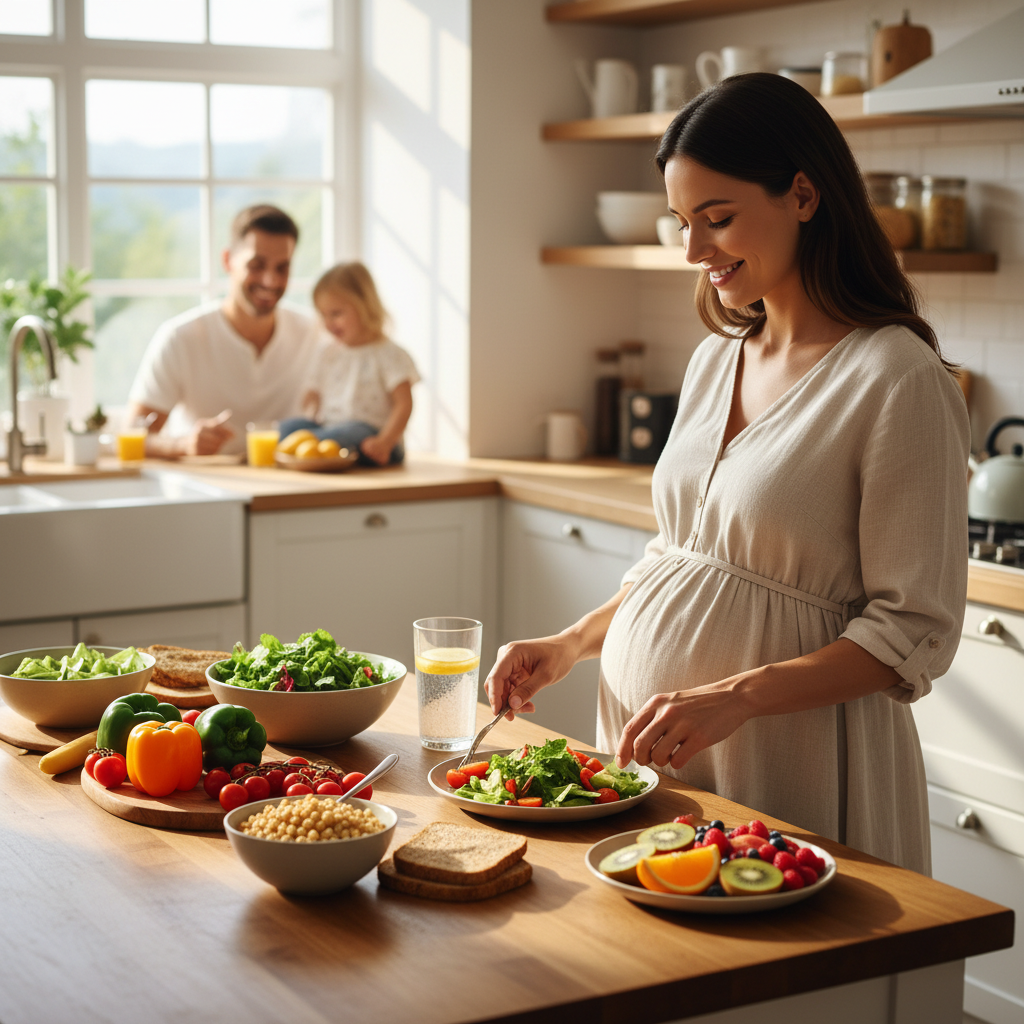
Pregnancy Diet Guide: What to Eat and What to Avoid
- by WengGracy
A pregnancy diet can feel strangely high-pressure. One minute you are trying to eat more protein, and the next you are wondering whether a sandwich, sushi roll, soft cheese, coffee, or leftover dinner is suddenly off-limits. The goal is not to build a perfect plate every time. The goal is to know the safe basics, eat enough nourishing foods most days, and make a pregnancy meal plan that still works when you are tired, nauseous, busy, or simply not in the mood for another salad.
This guide gives you a practical, evidence-aware way to build a healthy pregnancy diet: what to eat often, what to avoid or limit, how to think about fish, caffeine, and food safety, and how to turn the advice into real meals. Mamazing supports parents through the whole preparation season, but nutrition guidance is personal. Use this as education, then ask your OB-GYN, midwife, registered dietitian, or other qualified clinician for advice that fits your body, symptoms, health history, and pregnancy.
The simplest way to think about a pregnancy diet is not "eat for two." It is "eat with a little more intention." Your meals need to help you stay steady while also supplying nutrients used in pregnancy, including folate, iron, calcium, vitamin D, choline, iodine, omega-3 fats, protein, and fiber. The USDA MyPlate pregnancy guidance organizes this around familiar food groups: fruits, vegetables, grains, protein foods, and dairy or fortified soy alternatives.

For many people, the easiest healthy pregnancy diet framework is a flexible plate:
This is a pattern, not a test. If first trimester nausea makes vegetables impossible for a few weeks, try fruit, soups, smoothies made with pasteurized dairy, or bland carb-plus-protein snacks. If cultural foods do not look like a divided plate, the same idea still applies: include a safe protein, a satisfying carb, produce when possible, and a calcium-rich food across the day.
Several nutrients deserve extra attention because pregnancy changes demand. The NIH lists the folate RDA in pregnancy as 600 mcg DFE, and folic acid in fortified foods and prenatal vitamins is often discussed because folate supports early neural tube development. The NIH iron fact sheet explains that iron needs rise during pregnancy because blood volume expands. Calcium and vitamin D support bones and other body functions; NIH fact sheets list pregnancy intake targets for calcium and vitamin D. Choline also matters in pregnancy, and NIH lists 450 mg per day as the adequate intake for pregnant adults.
Food can provide many of these nutrients, but prenatal vitamins can help fill gaps when your clinician recommends them. Do not add extra supplements, herbs, or high-dose vitamins on your own; more is not automatically better in pregnancy.
| Nutrient | Food Ideas | Planning Note |
|---|---|---|
| Folate / folic acid | Leafy greens, beans, citrus, fortified grains | Important early; ask about prenatal vitamins |
| Iron | Meat, poultry, beans, lentils, fortified cereal | Pair plant iron with vitamin C foods |
| Calcium + vitamin D | Milk, yogurt, pasteurized cheese, fortified soy milk | Check labels on fortified alternatives |
| Choline + omega-3 | Eggs, salmon, sardines, beans, soy foods | Choose fully cooked eggs and low-mercury fish |
The best foods for a pregnancy diet are not exotic. They are reliable, safe, and easy to repeat. A good grocery list beats a complicated recipe plan when your energy changes from day to day.
Protein can make meals more satisfying and can help you avoid the shaky feeling that comes from living on crackers alone. Choose fully cooked poultry, lean meat, eggs cooked until firm, beans, lentils, tofu, tempeh, nuts, seeds, Greek yogurt, cottage cheese made from pasteurized milk, and lower-mercury fish. Vegetarian and vegan pregnancy diets can work well, but they deserve extra planning around protein, iron, vitamin B12, iodine, calcium, vitamin D, and omega-3 fats.
Colorful produce supports a healthy pregnancy diet because it brings fiber, fluid, potassium, vitamin C, folate, and many plant compounds into meals. Wash produce under running water before eating or cutting it. If raw vegetables are hard to tolerate, try roasted carrots, tomato soup, blended lentil soup, applesauce, bananas, oranges, berries, or a smoothie made with pasteurized yogurt or milk. Frozen vegetables and fruit count too, and they often save money and effort.
Carbs are not the enemy of a pregnancy diet. The useful question is which carbs help you feel best. Oats, brown rice, quinoa, whole-grain toast, whole-wheat pasta, potatoes, sweet potatoes, corn tortillas, and barley can bring energy and fiber. Fiber-rich foods, fluids, and movement if approved by your clinician may also help with constipation, a common pregnancy complaint.
Milk, yogurt, pasteurized cheese, fortified soy milk, tofu made with calcium, and other fortified options can help cover calcium needs. Healthy fats make meals more satisfying: avocado on toast, olive oil on cooked vegetables, nut butter with fruit, chia or ground flax in oatmeal, and low-mercury fish such as salmon or sardines. If you avoid dairy, read labels carefully and ask your clinician or dietitian whether your fortified alternatives and prenatal vitamin cover your needs.
A pregnancy diet should be generous, not fear-driven. Still, some foods carry higher risk during pregnancy because of bacteria, parasites, mercury, alcohol, or high caffeine intake. Think of this section as a safety filter, not a list of ways to worry about every bite.
| Eat Often | Limit or Handle Carefully | Avoid |
|---|---|---|
| Washed produce, cooked proteins, whole grains | Deli meat or hot dogs heated until steaming | Raw or undercooked meat, seafood, or eggs |
| Pasteurized milk, yogurt, cheese | Caffeine, commonly kept under 200 mg daily | Unpasteurized milk, juice, or soft cheese |
| Low-mercury seafood choices | Local-caught fish only with advisories | High-mercury fish and alcohol |
Pregnancy changes how carefully you need to treat foodborne illness risk. CDC guidance says people who are pregnant are at higher risk for Listeria infection, and it specifically recommends avoiding unpasteurized milk products and taking care with foods such as deli meats, hot dogs, refrigerated pate, meat spreads, smoked seafood, and sprouts. Review the CDC's current Listeria prevention guidance for details.
In everyday terms: choose pasteurized dairy and juice, cook meat and seafood thoroughly, cook eggs until firm, wash produce, avoid raw sprouts, keep cold foods cold, reheat leftovers well, and heat deli meats or hot dogs until steaming if you eat them. If you accidentally ate something risky, do not spiral. Call your clinician if you have symptoms, are worried, or need guidance based on the specific food.
Fish can absolutely fit into a healthy pregnancy diet. It provides protein and nutrients such as iodine, vitamin D, choline, and omega-3 fats. The safety issue is mercury. The FDA/EPA advice recommends that pregnant people choose a variety of lower-mercury fish and avoid fish in the highest-mercury category. Examples of lower-mercury options include salmon, sardines, anchovies, trout, tilapia, cod, pollock, shrimp, and canned light tuna. Avoid shark, swordfish, king mackerel, marlin, orange roughy, bigeye tuna, and tilefish from the Gulf of Mexico.
The safest advice on alcohol is simple: avoid it during pregnancy. The CDC says there is no known safe amount of alcohol use during pregnancy. For caffeine, many U.S. pregnancy resources use 200 mg per day as a common upper limit. ACOG's Ask ACOG page says less than 200 mg per day is considered moderate caffeine consumption in pregnancy. Your clinician may suggest a different plan if you have palpitations, high blood pressure, severe nausea, sleep trouble, or other complications.
A pregnancy meal plan works best when it is flexible enough to survive real life. Instead of planning seven perfect days, build a small menu of repeatable meals: two breakfasts, three lunches, three dinners, and five snacks you can tolerate. Rotate from there.
For a weekly pregnancy meal plan, repeat this pattern with different flavors. Try tacos with beans and avocado, rice bowls with tofu and vegetables, pasta with meat sauce and salad, lentil soup with toast, chicken and potato sheet-pan dinners, or salmon with rice and broccoli. If you are managing gestational diabetes, anemia, high blood pressure, or another condition, use your clinician's plan instead of a generic online template.
Nausea can make a healthy pregnancy diet feel impossible, especially in the first trimester. Small, frequent meals may be easier than large plates. Many people do better with bland carbs plus a little protein: toast with peanut butter, crackers and cheese, rice with egg, yogurt with cereal, or a banana with nut butter. Sip fluids slowly. Ask your clinician before using ginger supplements or nausea remedies, and call if you cannot keep fluids down, feel dehydrated, are losing weight, or vomiting is severe.
Low-effort structure helps more than elaborate cooking. Batch cook rice, quinoa, lentils, or chicken. Keep frozen vegetables, canned beans, oats, eggs, pasteurized yogurt, nut butter, fruit, and whole-grain bread on hand. Wash produce when you have energy. Freeze soup, chili, or cooked grains in small portions. Store snacks where you actually rest, not only in the kitchen.
Your first trimester pregnancy diet may look more like survival than meal planning. That is not failure. Prioritize fluids, foods you can keep down, and your clinician's prenatal vitamin guidance. If vegetables smell terrible, use fruit, soups, smoothies, or fortified grains for a while. If your prenatal vitamin worsens nausea, ask whether changing the timing or formula is appropriate.

For many people, appetite and energy improve in the second trimester. This can be a good time to settle into balanced meals, regular snacks, low-mercury fish, iron-rich foods, calcium-rich foods, and a simple grocery rhythm. It is also a good time to ask your care team about weight gain, blood tests, anemia, glucose screening, and any nutrition questions you have been carrying quietly.
A third trimester pregnancy diet often needs to work around heartburn, constipation, early fullness, and fatigue. Smaller meals may feel better than large dinners. Fiber, fluids, and safe movement can support digestion. This is also a smart moment to stock easy freezer meals and shelf-stable snacks for late pregnancy and early postpartum days.
A vegetarian pregnancy diet can be nourishing with beans, lentils, tofu, tempeh, nuts, seeds, whole grains, dairy or fortified alternatives, and plenty of produce. A vegan pregnancy diet needs more careful planning around vitamin B12, iodine, calcium, vitamin D, iron, zinc, protein, and omega-3 fats. A registered dietitian can help you build a plan without turning meals into a math problem.
These conditions need individualized care. A general pregnancy diet guide cannot replace blood sugar targets, iron treatment, blood pressure guidance, or medication decisions from your clinician. If you are diagnosed with gestational diabetes, anemia, hypertension, kidney disease, or a multiple pregnancy, ask for a tailored pregnancy meal plan.
Cravings and aversions are common. Try to pair cravings with staying power: fries with eggs, toast with yogurt, fruit with nut butter, or noodles with tofu and vegetables. If you accidentally ate deli meat, raw fish, unpasteurized cheese, or another higher-risk food, the next step is not panic. Note what you ate, watch for symptoms, and call your clinician if you are concerned.
Late pregnancy is full of tiny decisions, and decision fatigue can make eating harder. Set up a small station with a water bottle, crackers, nuts or trail mix, shelf-stable snacks, nausea-friendly foods, and any clinician-approved supplies you reach for often. If you are also preparing for postpartum feeding, a comfortable nursing chair can become a practical spot for rest, water, and snacks before and after baby arrives.
One underrated pregnancy meal plan strategy is clearing other decisions early. Choosing core nursery pieces, such as cribs, before the final stretch can free up energy for rest, grocery shortcuts, freezer meals, and the kind of boring-but-helpful prep that makes late pregnancy easier.
The best pregnancy diet is a flexible, balanced pattern built around fruits, vegetables, whole grains, protein foods, calcium-rich foods, healthy fats, water, and clinician-advised prenatal vitamins. It should also follow pregnancy food-safety rules and fit your symptoms, culture, budget, and medical needs.
Aim to include several food groups daily: protein, produce, whole grains or fiber-rich carbs, calcium-rich foods, healthy fats, and fluids. Exact needs vary by trimester, body, activity level, symptoms, and medical history, so ask your clinician for personalized guidance.
Avoid unpasteurized milk, juice, and cheese; raw or undercooked meat, seafood, and eggs; high-mercury fish; alcohol; raw sprouts; and ready-to-eat refrigerated foods that have not been handled or heated safely. Ask your clinician if you are unsure about a specific food.
Many U.S. pregnancy resources use less than 200 mg of caffeine per day as a common upper limit. Ask your clinician what is right for you, especially if you have high blood pressure, palpitations, sleep problems, severe nausea, or another pregnancy complication.
Pregnant women are generally advised to avoid raw seafood. Cooked sushi made with lower-mercury fish and safe handling has a different risk profile, but you should confirm with your clinician and choose restaurants with strong food-safety practices.
A simple pregnancy meal plan can be three balanced meals plus snacks: protein, produce, a fiber-rich carb, a calcium source, healthy fat, and water. Repeat easy meals you tolerate instead of trying to create a perfect new menu every day.
Try small frequent meals, bland carbs, protein snacks, and slow sips of fluid. Toast with nut butter, crackers and pasteurized cheese, yogurt, bananas, rice, soup, or smoothies may be easier. Call your clinician if vomiting is severe or you cannot keep fluids down.
No, not literally. Pregnancy increases nutrient needs, but calorie needs vary by trimester and individual situation. Focus on nutrient-dense meals, safe foods, and your clinician's guidance instead of doubling portions.
A pregnancy diet should make you feel more oriented, not more trapped. Start with safe foods, steady meals, enough fluids, and a flexible pregnancy meal plan you can repeat. Keep the avoid list visible but not frightening. When your needs change, ask for help early.
After baby arrives, nutrition needs shift again. Mamazing's diet for breastfeeding mothers guide can help if you plan to nurse, and the postpartum diet plan guide can be a later resource when recovery is underway. For now, feed yourself with care, keep food safety simple, and let good-enough meals count.
Featured Products


Best Sleeping Positions During Pregnancy: A Trimester-by-Trimester Guide
Postpartum Recovery Timeline: What to Expect Week by Week