
- by FangRussell
What Is a Nursery Recliner? Do You Need One?
- by FangRussell
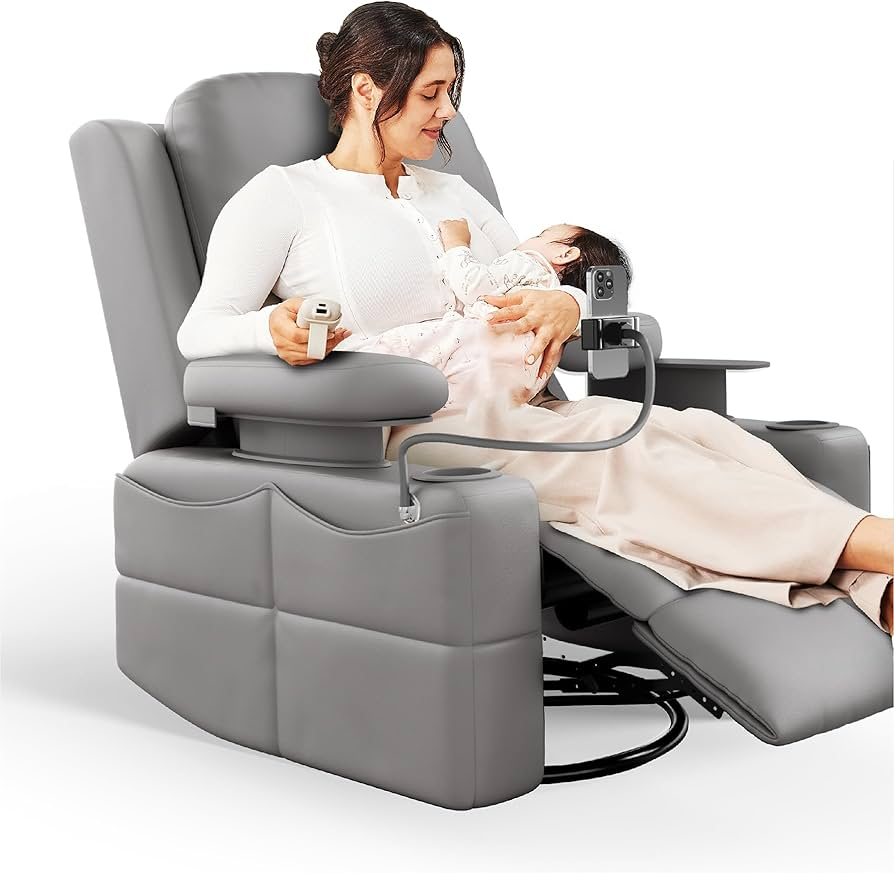
If you are building a nursery, you may be wondering whether a nursery recliner is actually worth the space or whether any comfortable chair will do. That is a fair question, because a nursery recliner is one of those items that can sound optional until you imagine what feeding, soothing, and late-night sitting sessions really feel like in real life.
A nursery recliner is not just a living-room recliner moved into the baby’s room. The best ones are designed for longer sitting sessions, easier position changes, quieter motion, and the kind of support tired parents care about at 2 a.m. If you are deciding between a nursery chair, a rocker, a glider, and a recliner, this guide will help you understand what makes a nursery recliner different and whether it fits your routine.
Quick Answer
A nursery recliner is a nursery chair designed for feeding, soothing, and long sitting sessions with a baby, usually combining recline support with gentle glide, swivel, or rocking motion. You do not always need one, but it can be a smart buy if you expect to feed often in the nursery, want better support during pregnancy or postpartum recovery, or simply want a chair that feels calmer and easier to use during long nights.
A nursery recliner is a recliner-style chair made for nursery use rather than general lounge seating. In plain terms, it is a chair built to help you sit for long stretches while feeding, rocking, settling, or resting near your baby without feeling trapped in one position.
What makes it different from an ordinary recliner is not only the backrest. A good nursery recliner usually combines a more nursery-friendly motion pattern with easier reach, smoother transitions, and features that matter when you are holding a baby. That often means glide or swivel movement, quieter reclining, supportive arm placement, and fabrics that are easier to live with when spit-up, milk drips, or snack crumbs become part of daily life.
That is also why the term overlaps with phrases like nursery chair, nursing chair, and nursery recliner chair. In practice, parents are usually looking for the same thing: a chair that feels comfortable enough for feeding and long nights, supportive enough for recovery, and useful enough to keep after the newborn stage.
No, not every nursery needs a recliner. But many parents do end up using it more than they expected once the baby arrives.
If you feed in the nursery, spend time rocking a baby back to sleep, or want a chair that supports you during pregnancy and postpartum recovery, a recliner can be genuinely useful. The biggest difference is not luxury. It is endurance. A chair that lets you recline slightly, shift your arms, plant your feet well, and change position quietly can feel very different from a standard accent chair after the third feed of the night.
On the other hand, if your home is small, you already have a chair you truly like, or you do most feeds elsewhere, you may not need a dedicated nursery recliner. That is why this category makes the most sense when you know the nursery chair will be part of your daily routine rather than occasional decor.
For many families, the better question is not “Do I need one?” but “Will I actually use this chair enough to justify the footprint?” If the answer is yes, a nursery recliner can be one of the hardest-working pieces in the room. If the answer is no, a simpler nursery seat may be the smarter choice.
A standard recliner can feel comfortable for TV or general lounging. A nursery recliner is usually better at the small details that matter when you are feeding, burping, settling, or trying not to wake a baby.

Here are the differences most parents actually notice:
This does not mean every standard recliner is wrong for a nursery. It just means a nursery recliner is usually designed around a more specific job. If you already own a standard recliner you love and it fits the room well, it may still work. But if you are buying a chair specifically for feeding, soothing, and night wakes, the nursery-specific version usually feels more intentional.
If you are also comparing motion styles, Mamazing’s guide to nursery glider vs. recliner is the natural next read after this article.
The best nursery recliner is not automatically the one with the most features. It is the one with the features you will actually use when your arms are full and your patience is low.
Arm support matters more than most first-time buyers expect. If the armrests are too low, too hard, or fixed in a position that does not work for feeding, your shoulders and upper back can start complaining quickly. Adjustable or better-shaped arm support can make a noticeable difference during bottle-feeding, nursing, and long contact-nap hours.
Mamazing’s HugAssist armrest concept is worth paying attention to for exactly that reason. The real value is not the name. It is the ability to support your arms in a way that reduces awkward hunching and makes the chair easier to use for different feeding positions.
A good nursery recliner should let you change position without feeling like you are fighting the chair. Quiet motion matters just as much as deep motion. If a chair reclines smoothly and closes softly, it is much more nursery-friendly than one that feels dramatic every time you move it.
Recline depth also changes the experience. Some parents want just enough lean-back support for feeding and reading. Others want a deeper recline for longer rest sessions nearby. The key is not chasing the biggest angle on paper. It is choosing a chair that feels stable and useful for the way you actually sit.
Swivel and glide features often sound like extras until you use them in a real nursery. A gentle glide can help during winding-down routines, and a swivel base makes it easier to turn toward a side table, lamp, or crib without standing up awkwardly while holding a baby.
This is one reason many parents prefer a nursery recliner over a chair that only reclines backward. The movement feels more flexible and more practical for actual nursery use, especially in smaller rooms where reaching and repositioning matter.
Babies are messy, and nursery seating gets tested faster than people expect. That makes fabric choice a real buying factor, not a small afterthought. A removable cover, easy-clean fabric, or surface that handles spot cleaning well can save you a lot of annoyance later.
If you know you are the kind of parent who would rather wash a cover than worry about every milk spill, that should move higher on your checklist. If your bigger priority is wipe-clean convenience with less fabric maintenance, a stain-resistant finish may fit better.
A nursery recliner is not only for the baby. That is one reason it often ends up getting used before birth and long after the newborn stage.

Late pregnancy can make regular sitting feel more complicated than it should. A chair with supportive arms, a stable seat, and room to adjust your leg position can simply feel easier to live with than a low sofa or rigid accent chair. Some parents like a nursery recliner during pregnancy because it offers a clearer path for leg elevation, back support, and easier stand-up mechanics when the usual lounging spots stop feeling comfortable.
That does not make a recliner medical equipment, and it should not be sold that way. But as a comfort tool, it can be very welcome during the weeks when you are sitting more carefully and changing positions more often.
This is where nursery recliners often earn their keep. Feeding sessions are not only about latch or bottle setup. They are also about posture, reach, and how your body feels after doing the same thing many times a day. A chair that lets you sit upright, lean back a little, rest your arms properly, and turn without getting up can make the whole routine feel calmer.
That is also why many parents who thought “any chair is fine” change their minds after a few weeks. The right nursery recliner does not magically make sleep deprivation easy, but it can reduce some of the physical friction that accumulates during feeds, burping, rocking, and waiting for a baby to settle again.
If you are comparing broader nursery seating categories, Mamazing’s guides on nursery recliner armchairs and nursery rocking chair recliners can help you narrow the style further.
After birth, especially if your body feels tender, swollen, or simply worn out, getting in and out of the wrong chair can feel harder than it should. A supportive nursery recliner with a reasonable seat height and more controlled movement may feel easier than sinking into a very deep sofa.
Again, the point is not to oversell it as a recovery solution. The point is that a better chair can remove some unnecessary strain from the parts of the day that already feel repetitive and physically demanding.
The easiest way to choose the right nursery recliner is to think about your room, your routine, and your body before you think about price or branding.
Another good question is whether you want the chair mainly for the newborn stage or for several years of use. Some parents want the most nursing-friendly setup possible right now. Others want a chair that still feels good later for reading, cuddling, and bedtime routines with a growing toddler.
If you are choosing between Mamazing models, the decision is less about which chair is “better” in general and more about which one matches your habits better.
| Feature | Lullacloud Nursery Chair | Lullapod Nursery Chair |
|---|---|---|
| Recline | Up to 165°, manual | Up to 135°, power |
| Arm support | 360° rotate / pull-up | 45° rotate / power lift-up |
| Swivel range | 360° | 240° |
| Maintenance | Removable and washable cover | Stain-resistant fabric |
| Charging | No | USB and Type-C ports |
| Seat height | 15.75 inches | 19.3 inches |
| Warranty | 5 years | 5 years |
If your biggest priorities are washable fabric and a deeper manual recline, Lullacloud is the stronger fit. If you care more about power adjustment, a higher seat, and built-in charging for long feeds and contact naps nearby, Lullapod may feel more convenient.
If you want a broader decision guide before choosing between them, Mamazing’s article on the best recliner for nursery gives more scenario-based buying advice.
Not always. If you already have a chair you love and you do not expect to spend much time feeding or settling your baby in the nursery, you may not need one. But for parents who expect long feeds, contact naps nearby, and lots of night-wake sitting, a nursery recliner can be one of the most-used pieces in the room.
It depends on what you value most. A rocking chair can be enough if you mainly want gentle motion and a smaller footprint. A nursery recliner is usually better if you want more full-body support, easier position changes, and a chair that feels more forgiving during long feeds or recovery-heavy weeks.
You can rest in the chair yourself, but it is important not to treat a recliner as your baby’s sleep surface. HealthyChildren and Safe to Sleep both advise moving a baby who falls asleep in a sitting device to a firm, flat sleep surface as soon as possible. If you think you may doze off while holding your baby, the safest move is to transfer your baby back to the crib or bassinet before you drift off.
For most parents, buying during the second trimester or early third trimester works well. That gives you time to set up the room, test the chair in real life, and use it before the baby arrives if pregnancy sitting comfort is already becoming a factor.
Choose Lullacloud if you care most about a washable cover and deeper manual recline. Choose Lullapod if you prefer power adjustments, built-in charging, and a higher seat that may feel easier to stand up from. The better chair depends less on price alone and more on how you expect to use it every day.
For Lullacloud, the removable cover is the biggest advantage: you can unzip it and wash it on a gentle cycle. For Lullapod, the stain-resistant fabric is designed for easier spot cleaning with a damp cloth and mild soap.
Yes. Mamazing nursery chairs include a 5-year warranty, which is helpful if you want a chair that keeps working through the newborn stage and well beyond it.
A nursery recliner is not mandatory nursery furniture, but it can be a very smart purchase if you know you will spend real time in it. The best ones help with feeding posture, make long sitting sessions more tolerable, and feel quieter and more practical than a standard recliner moved in as an afterthought.
If you are still deciding, start with your room size, your feeding setup, your cleanup tolerance, and whether you want deeper recline or easier powered adjustments. That usually tells you more than a generic “best nursery chair” list ever will. And if your goal is simply to make the hardest hours of the day feel a little easier, the right chair can do exactly that.
For many parents, that is the real value of a nursery recliner: not that it looks nice in the room, but that it makes the room easier to live in once your baby is actually here.
Featured Products


Is a Recliner Necessary for Nursery? Who Needs One, Alternatives, and How to Choose
What Is a Gliding Recliner? How It Works, Benefits, and Rocker vs Glider Differences