
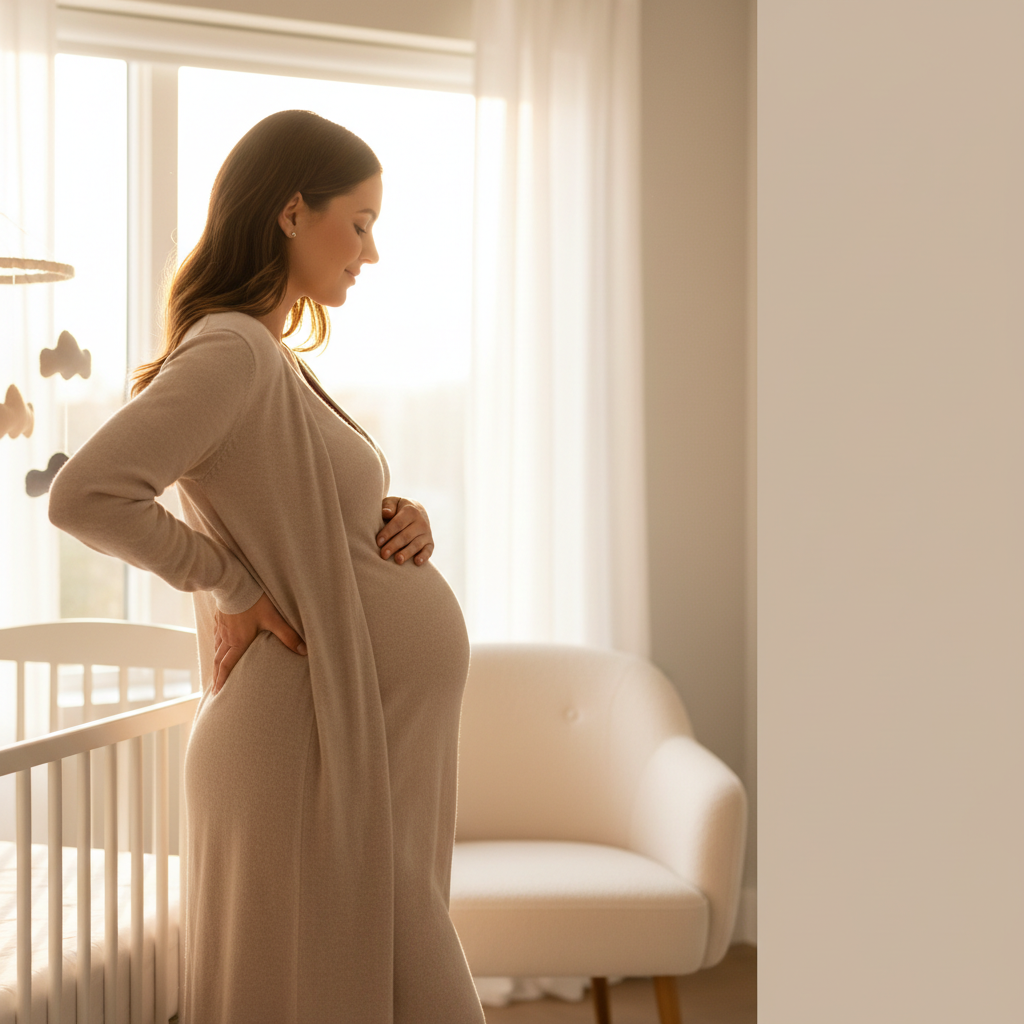
Back Pain During Pregnancy: Causes, Types, and Comfort Tips That Actually Work
- by WengGracy
If your lower back feels like it has been carrying a bowling ball strapped to your belly, you are far from alone. Research shows that between 50% and 80% of pregnant women experience pregnancy-related low back pain, making it one of the most common (and most misunderstood) parts of growing a baby. For many women, pregnancy back pain disrupts sleep, limits movement, and quietly stirs anxiety about whether the ache is normal or something more serious.
Here is the good news: most lower back pain during pregnancy is treatable with smart, safe strategies you can start today. In this guide from Mamazing, you will learn the five real causes behind back pain during pregnancy, the five distinct types most women confuse, how the pain shifts trimester by trimester, evidence-informed relief tips, and the clear warning signs that mean you should call your provider. You will also discover how the comfort choices you make now naturally set you up for postpartum recovery.
Pregnancy back pain is rarely caused by one thing. It is usually the result of several physical changes stacking on top of each other. Understanding the mechanics helps you choose relief strategies that actually target the root cause.
From the earliest weeks, your body releases a hormone called relaxin. Its job is to soften the ligaments around your pelvis so your baby can pass through during birth. The catch? Relaxin does not only loosen pelvic ligaments. It quietly affects ligaments throughout the body, including those that stabilize the spine. With less ligament support, your muscles must work overtime to keep your spine steady, which can lead to fatigue, stiffness, and that constant dull ache so many women describe.
As your uterus grows forward, your weight redistributes toward the front of your body. To stay upright, your lower spine pulls into a deeper inward curve, a condition called lumbar lordosis. According to Johns Hopkins Medicine, the growth of the uterus shifts the body's center of gravity and forces back muscles to compensate. This shift gets dramatically more intense in the second and third trimesters.
Your abdominal muscles are part of your spine's support system. As the uterus expands, the rectus abdominis muscles stretch and weaken. In some women, they partially separate down the middle, a condition called diastasis recti. When your core cannot hold its share of the load, your lower back muscles pick up the slack and quickly become overworked.
Here is a connection most pregnancy articles overlook: your pelvic floor and your lower back work as a team. When the pelvic floor becomes too tight (hypertonic) or too weak under the weight of pregnancy, the lumbar spine loses a key stabilizer. Pelvic floor physical therapy is increasingly recommended for pregnancy-related back pain because it addresses the muscular system as a whole rather than the back in isolation.
Your body unconsciously compensates for your growing belly. Many pregnant women tip the pelvis forward and pull the shoulders back without realizing it. Over weeks and months, this posture chronically strains the sacroiliac joint and the muscles that flank your spine, leaving you sore by the end of every day.
One of the most useful things you can do is figure out exactly what kind of back pain you have. Different types respond to different treatments, and confusing one for another is a common reason relief strategies fail.
This is the classic ache centered in your lower back, often along the spine. It tends to worsen with long periods of sitting, standing, or bending. The pain is usually dull rather than sharp and intensifies as the day goes on. Lumbar pain accounts for roughly half of pregnancy back pain cases.
Felt deeper and lower than lumbar pain, often on one side in the buttock area, posterior pelvic pain flares with activities like climbing stairs, getting out of a car, or rolling over in bed. Research suggests posterior pelvic pain is substantially more common than pure lumbar pain in pregnant women, yet it is often mistaken for ordinary lower back pain.
The sciatic nerve runs from your lower back through each buttock and down the leg. When the growing uterus or a shifted disc puts pressure on it, you may feel a shooting, burning, or electric pain that radiates down one leg, sometimes with tingling or numbness. Sciatica during pregnancy is typically one-sided and worsens with prolonged sitting.
The round ligaments support your uterus on each side. As the uterus grows, they stretch and can spasm, causing a brief, sharp, stabbing pain in the lower abdomen or groin, sometimes mistaken for back pain. The pain is usually triggered by sudden movements like sneezing or standing up quickly and lasts only seconds.
SPD affects the joint at the front of your pelvis (the pubic symphysis), often producing pain over the pubic bone, inner thighs, and lower back. You may notice a grinding or clicking sensation when you move. Walking, climbing stairs, and turning in bed can become genuinely painful. The broader umbrella of pelvic girdle pain is one of the most disruptive forms of pregnancy back pain.
| Pain Type | Location | Trigger | Character |
|---|---|---|---|
| Lumbar back pain | Lower back (midline) | Prolonged standing or sitting | Aching, dull |
| Posterior pelvic pain | Deep buttock, SI joint | Rolling in bed, stairs | Deep, one-sided |
| Sciatica | Lower back into leg | Sitting, nerve compression | Shooting, burning |
| Round ligament pain | Lower abdomen, groin | Sudden movement | Sharp, brief |
| SPD / PGP | Pubic bone, inner thigh | Walking, weight bearing | Grinding, sharp |
Pregnancy is not one experience but three distinct phases, and your back pain story usually changes along with each one.
You can feel back pain as early as four to six weeks, sometimes even before a positive test. At this stage the cause is mainly hormonal: relaxin and progesterone surge rapidly, loosening ligaments before the uterus is large enough to cause mechanical strain. The sensation is often a low, dull ache similar to pre-menstrual discomfort. Mild round ligament twinges may begin near weeks 10 to 12 as the uterus starts expanding.
Some women experience a brief reprieve as early hormonal aches ease. But mechanical factors take over. Your center of gravity shifts noticeably, lumbar lordosis deepens, and posterior pelvic pain often intensifies. Round ligament pain peaks between weeks 14 and 27. If you sit at a desk for work, this is the trimester you start noticing how much your chair and posture matter, and where ergonomic upgrades start paying off.
This is when back pain typically peaks. Your uterus is at its largest, sciatica risk climbs as the baby descends, and finding a comfortable sleeping position becomes a nightly puzzle. The nesting instinct kicks in around weeks 32 to 38, pushing many women to set up the nursery with bursts of bending, lifting, and assembling, all of which can flare back pain if done carelessly. Searches for "back pain at 36 weeks" surge in late pregnancy as women actively look for targeted relief.
Most back pain relief during pregnancy comes from layering several small habits rather than relying on one magic fix. Here are the safest, most evidence-supported strategies.

It is tempting to lie down when your back aches, but movement is the gold standard. The American College of Obstetricians and Gynecologists confirms exercise during pregnancy helps decrease back pain while boosting overall well-being.
Daily posture habits make or break your back. Stand tall with your chest up and shoulders relaxed back, resisting the urge to lean backward as your belly grows. When standing for a long time, try the "tripod stance," staggering one foot slightly forward to redistribute weight. At your desk, keep knees at roughly 90 degrees, feet flat, screen at eye level, and lumbar support engaged. Skipping lumbar support flattens your lower back and increases disc pressure, accelerating fatigue.
After 20 weeks, sleeping on your back can compress a major blood vessel (the inferior vena cava), which is why providers recommend side-sleeping. The left side is especially good because it optimizes blood flow to the uterus and kidneys. Tuck a C-shaped or U-shaped pregnancy pillow between your knees and under your belly to keep your pelvis in neutral alignment. A small pillow behind your lower back helps prevent you from rolling backward in your sleep. For a deeper look at how your ideal sleeping position evolves week by week, see our guide to the best sleep positions during pregnancy by trimester.
A warm (not hot) compress or heating pad on the lowest setting, applied to your lower back for 15 to 20 minutes, can relax tight muscles. Use a cloth barrier and avoid prolonged exposure. Warm showers and baths are widely recommended for comfort. For acute sacroiliac flare-ups, a brief 10 to 15 minutes of ice can also help. Avoid applying heat directly to the abdomen and keep core temperature regulated.
A well-fitted maternity belt or pregnancy binder lifts your belly slightly, reducing the gravitational tug that strains your lower back muscles. They work best worn during activities that aggravate pain, such as long walks or grocery runs. Avoid wearing one 24 hours a day, as your muscles still need to do their own work.
Prenatal massage by a certified practitioner is generally safe after the first trimester and offers real comfort for many women. The National Center for Complementary and Integrative Health notes acupuncture may help with low-back pain and other types of chronic pain. Prenatal chiropractic care, performed by a practitioner trained in techniques like the Webster method, can also be effective for sacroiliac and pelvic girdle pain.
Acetaminophen (Tylenol) is generally the only over-the-counter pain reliever considered acceptable during pregnancy, and you should use the lowest effective dose. The FDA recommends avoiding NSAIDs like ibuprofen and naproxen during pregnancy at 20 weeks or later because of potential fetal risks. Always consult your OB or midwife before starting any medication.
Back pain in the third trimester often raises a heart-pounding question: is this labor? Knowing the difference brings real peace of mind.
| Feature | Normal Pregnancy Back Pain | Possible Labor / Warning Sign |
|---|---|---|
| Pattern | Irregular, non-rhythmic | Regular, rhythmic, closer over time |
| Response to movement | Often improves | Intensifies regardless of position |
| Associated symptoms | None | Pelvic pressure, discharge, spotting |
| Duration | Continuous or variable | Comes in clear waves |
When in doubt, call your OB, midwife, or go to the emergency room. Do not try to self-diagnose serious symptoms.
Here is something most pregnancy guides miss. The third trimester, when back pain peaks, is also when nesting kicks in. The comfort decisions you make right now for late-pregnancy back relief will quietly shape your first weeks of motherhood. Two choices matter most: where you sit and how your nursery is set up.

One of the most underrated back pain relief tools is simply where you sit. A chair with proper lumbar support, armrests at the right height, and a seat depth that lets your feet rest flat on the floor dramatically reduces lower back strain during the long sitting hours of late pregnancy. After birth, nursing or bottle-feeding sessions can each last 20 to 45 minutes and happen 8 to 12 times a day in the newborn phase. Without good support, that volume of sitting is a primary driver of postpartum back pain.
A well-designed nursing chair provides lumbar support that follows your spine's natural curve, padded armrests to support your baby's weight, and a gentle recline or rocking motion that reduces static muscle load. Choosing one during pregnancy means it is assembled and ready from your very first feeding, and it can serve as a comfortable rest seat in the final weeks before birth.
Nesting in the third trimester is a real psychological phenomenon, and channeling it productively saves your back. The guiding ergonomic principle is to minimize how often you must bend deeply or reach awkwardly with a newborn, especially in the early postpartum weeks when your core and pelvic floor are still healing.
Crib placement matters more than most parents realize. A baby crib with adjustable mattress heights lets you keep your newborn at the highest setting, which means much less bending during nighttime pickups. Position the crib at a comfortable distance from your nursing chair to create a functional feeding-and-sleeping zone. Setting up the crib before week 36 gives you time to adjust heights, test the layout, and assemble without a newborn already at home.
Many women are surprised that back pain can continue or even worsen after delivery. Relaxin lingers in the body for three to six months after birth, so ligament laxity does not disappear overnight. Breastfeeding posture is the biggest new contributor. Leaning forward while nursing, without proper arm and back support, loads the upper and lower back repeatedly throughout the day.
To prevent or ease postpartum back pain, bring your baby to breast height using a nursing pillow rather than hunching forward, and dial in your breastfeeding positions to reduce pain early on. Sit in a chair with full lumbar support and armrests so your shoulders can stay relaxed. Gentle postnatal exercise, including walking, pelvic floor work, and modified core exercises, is usually cleared at your six-week postpartum visit. If you noticed abdominal separation during pregnancy, a structured postpartum exercise progression for diastasis recti can rebuild the deep core that supports your lower back. Pelvic floor physical therapy is increasingly recommended as standard postpartum care because it addresses both pelvic floor recovery and back pain together. Most postpartum back pain resolves within three to six months with steady, supportive care.
Back pain during pregnancy is one of the most common and most manageable discomforts you will face, affecting most pregnant women at some point but rarely requiring more than thoughtful lifestyle adjustment and consistent self-care. Knowing which type of back pain you have, recognizing how it shifts trimester by trimester, and knowing the warning signs that distinguish normal aches from something serious puts you back in control of your comfort.
At Mamazing, we believe comfort is more than a single pillow or stretch. It is the entire ecosystem you build around yourself, from the seat you settle into for hours of feeding to the nursery layout that lets you scoop up your baby without flinching. Explore our maternity comfort and nursery collections to find the supportive pieces that will see you through pregnancy, postpartum, and the first chapter of motherhood.
Back pain can begin as early as 4 to 6 weeks, driven by the rapid rise of relaxin, which loosens ligaments throughout the body. For many women it becomes most noticeable in the second trimester as the belly grows and the center of gravity shifts, and it often peaks in the third trimester.
Yes, with care. A warm (not hot) heating pad on the lowest setting, applied for no more than 15 to 20 minutes with a cloth barrier, is generally considered safe after the first trimester. Avoid overheating the abdomen, and check with your OB or midwife if you are unsure.
Sleep on your left side with knees slightly bent. Place a C-shaped or U-shaped pregnancy pillow between your knees and under your belly to keep your hips and pelvis aligned. A small pillow behind your lower back can keep you from rolling backward during the night.
It can. Normal pregnancy back pain is irregular and often eases with rest. Back labor (real contractions felt as back pain) is rhythmic, grows stronger and closer together, and does not improve with movement. If you are under 37 weeks with regular back pain in waves, contact your provider right away.
Lumbar pain is felt in the lower back itself. Sciatica involves compression of the sciatic nerve, sending shooting, burning, or tingling sensations from the lower back into the buttock and down one leg. If your pain radiates down a leg, especially with numbness, mention it to your provider.
Bring the baby to you rather than hunching forward. Use a nursing pillow to support the baby at breast height. Sit in a chair with full lumbar support and armrests at the correct height, and keep your feet flat on the floor or a footrest. Avoid feeding from the sofa without back support for long sessions.
Back pain can begin as early as 4 to 6 weeks, driven by the rapid rise of relaxin, which loosens ligaments throughout the body. For many women it becomes most noticeable in the second trimester as the belly grows and the center of gravity shifts, and it often peaks in the third trimester.
Yes, with care. A warm (not hot) heating pad on the lowest setting, applied for no more than 15 to 20 minutes with a cloth barrier, is generally considered safe after the first trimester. Avoid overheating the abdomen, and check with your OB or midwife if you are unsure.
Sleep on your left side with knees slightly bent. Place a C-shaped or U-shaped pregnancy pillow between your knees and under your belly to keep your hips and pelvis aligned. A small pillow behind your lower back can keep you from rolling backward during the night.
It can. Normal pregnancy back pain is irregular and often eases with rest. Back labor (real contractions felt as back pain) is rhythmic, grows stronger and closer together, and does not improve with movement. If you are under 37 weeks with regular back pain in waves, contact your provider right away.
Lumbar pain is felt in the lower back itself. Sciatica involves compression of the sciatic nerve, sending shooting, burning, or tingling sensations from the lower back into the buttock and down one leg. If your pain radiates down a leg, especially with numbness, mention it to your provider.
Bring the baby to you rather than hunching forward. Use a nursing pillow to support the baby at breast height. Sit in a chair with full lumbar support and armrests at the correct height, and keep your feet flat on the floor or a footrest. Avoid feeding from the sofa without back support for long sessions.
Featured Products


Kegel Exercises During Pregnancy: How and Why Every Expecting Mom Should Start Today