
Parenting Tips

Parent checking baby's forehead while using a soft spot observation checklist

When to Worry About Baby's Soft Spot: Closure Timeline, Red Flags, and What to Do

Most baby soft spots (fontanelles) close on a normal timeline: the posterior soft spot often closes around 2-3 months, and the anterior soft spot often closes between 9 and 18 months. You should worry more about persistent changes plus symptoms...

Read more

Baby sleeping with an alarm clock next to him

Baby Wake Windows by Age: Chart by Month, Feeding Rules, and 2-Month Guidance

If you are searching for baby wake windows by age, you probably do not want a long theory lesson first. You want a fast, trustworthy answer you can use today. This guide gives you a baby wake window chart, explains...

Read more

Simple divided toddler plate with easy meal ideas for a picky eater

Toddler Meals for Picky Eaters: 75 Easy Ideas That Actually Get Eaten

If you are searching for toddler meals for picky eaters, you probably do not need a lecture about “just keep offering broccoli.” You need meal ideas that feel realistic on a Tuesday night, do not require a second full dinner...

Read more

baby arm dry skin

Newborn Dry Skin: What's Normal, How to Help, and When to Call the Pediatrician

If your newborn has dry, flaky, or peeling skin, the reassuring answer is that this is often normal in the first days and weeks after birth. The skin is adapting from a warm, fluid-filled environment to dry air, clothing, baths,...

Read more

A tired parent gently holding a bottle in front of their newborn, who is turning away with a frustrated expression

Baby Refusing Bottle? Why It Happens and How to Help Your Newborn Take It Again
If your baby suddenly refuses the bottle, the fastest answer is this: most bottle refusal starts with a mismatch between your baby's current feeding preferences and the way the bottle is being offered, not because you have done something wrong....

Read more

baby try to walk

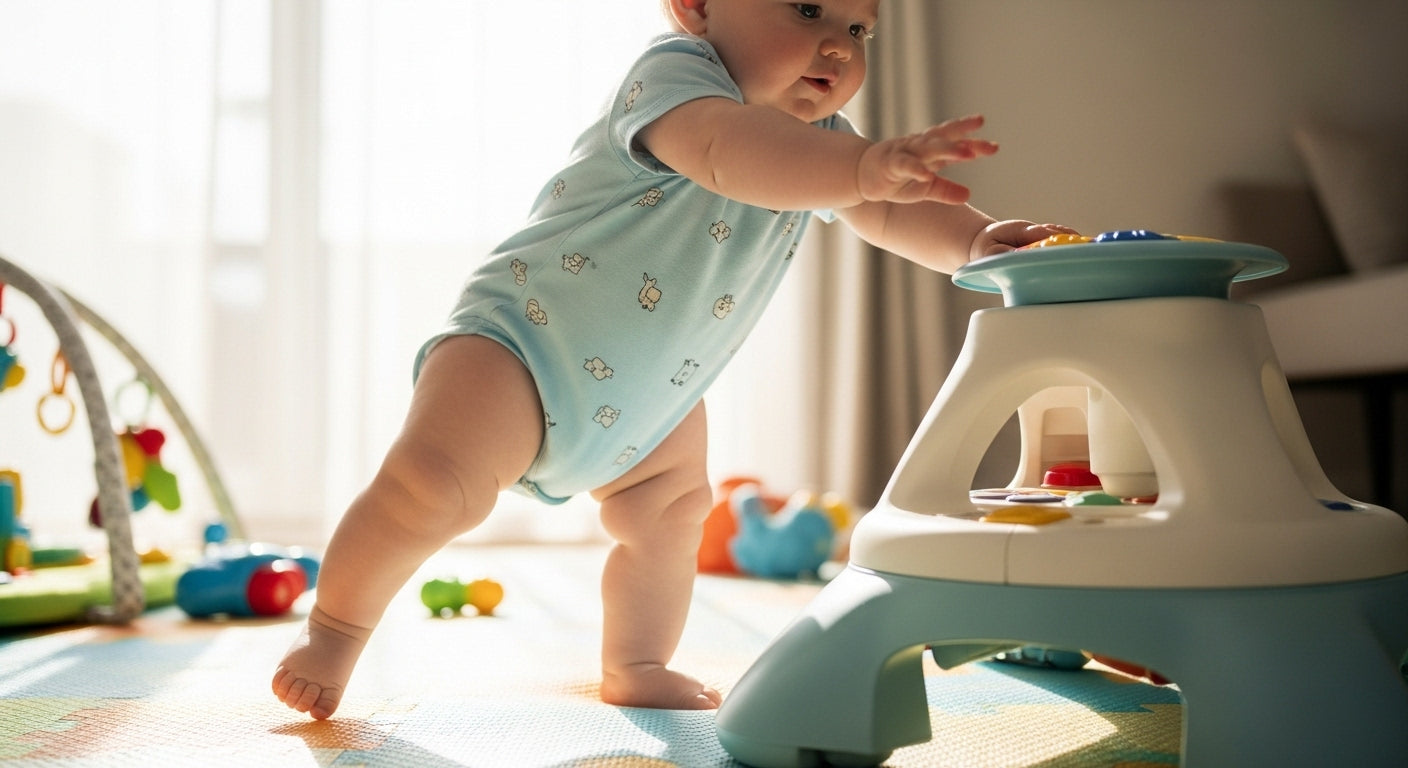
What Age Does a Baby Walk? Normal Range, Signs, and When to Worry

Most babies start walking sometime between 9 and 18 months, with many taking their first independent steps around their first birthday. That wide range is still normal. If your baby is pulling up, cruising, or standing briefly without support, walking...

Read more

A parent feeding their newborn in a semi-awake state, with a bottle held gently and baby’s eyes

How to Dream Feed a Baby: Safe Steps, Schedule, and When to Stop

If you're wondering how to dream feed a baby, the short answer is this: offer a calm, low-stimulation feed 2 to 3 hours after bedtime while your baby is still drowsy, then place them back down safely on their back....

Read more

Parent planning a one-nap transition schedule for a toddler

When to Drop to One Nap: Age, Readiness Signs, and a 2-to-1 Nap Transition Schedule

If you are wondering when to drop to one nap, the short answer is this: most toddlers transition between 13 and 18 months, and the most common window is around 14 to 15 months. But age alone is not enough....

Read more

Caregiver gently cleaning a newborn tongue with clean gauze and light hand support

How to Clean Newborn Tongue: White Coating, Thrush, and Safe Cleaning Tips

If you are searching for how to clean newborn tongue, the safest short answer is this: many healthy newborns do not need aggressive daily tongue cleaning, but gentle wiping can be helpful when you see milk film, mild residue, or...

Read more