
- by Artorias Tse
Best Hospital Bag for Mom and Baby: What to Pack, When to Pack It, and What to Skip
- by Artorias Tse
If you want the short answer, the best hospital bag is not the biggest bag you own. It is the bag you can carry easily, find things in quickly, and hand to a partner or nurse without digging through a pile of “just in case” extras. For most families, that means one medium backpack or duffel packed by category for mom, baby, and the support person, plus the car seat already installed at home.
This guide is built for the real questions behind searches like “best hospital bag for mom and baby” and “best hospital bag for delivery.” You will find out when to pack it, what to bring, what to skip, and how to organize everything so the bag actually helps when labor starts.
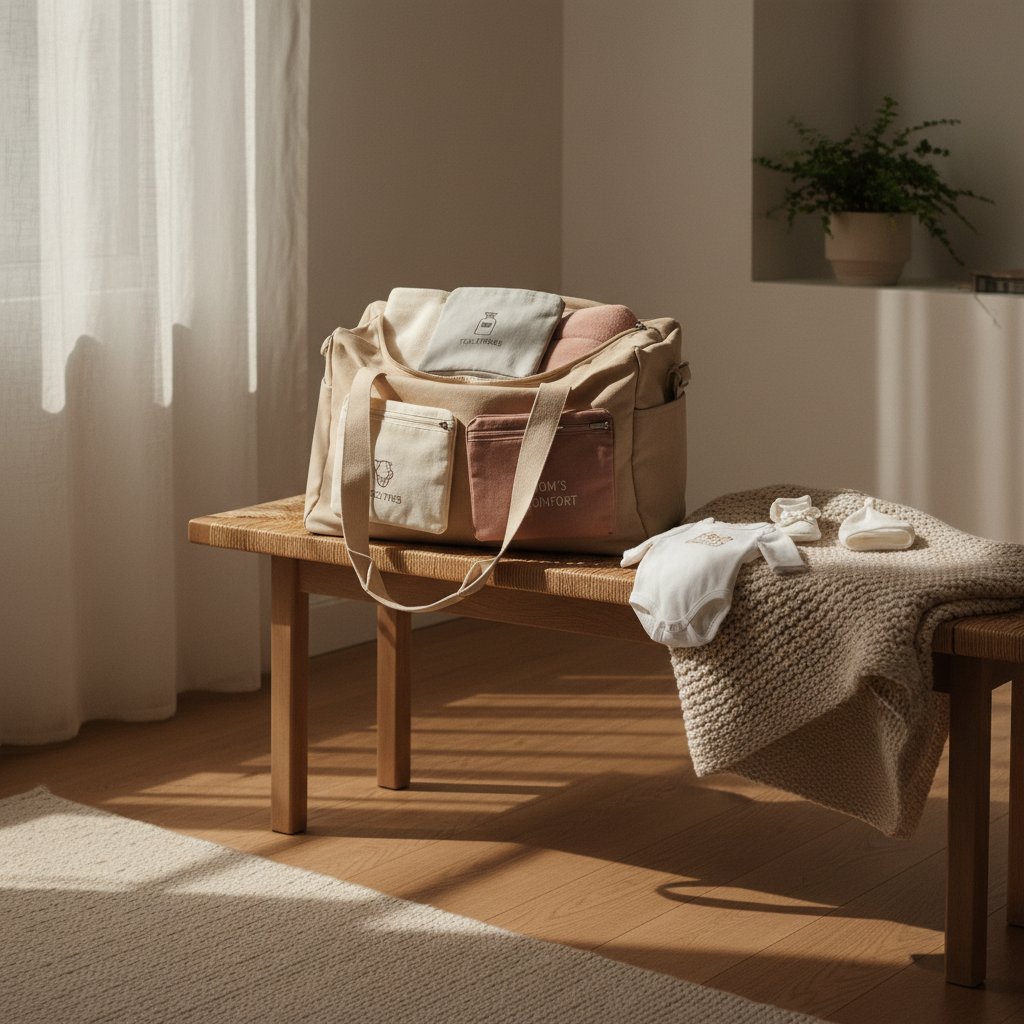
The best hospital bag is usually a medium-size backpack or soft duffel that opens wide, stands up on its own, and has enough room for separate pouches. You do not need a giant suitcase unless your hospital has asked you to prepare for a longer stay or you know you will be traveling far from home.
In practice, the best setup looks like this:
That structure works because it reduces friction. When contractions pick up, you want to know exactly where the lip balm, long charger, nursing bra, or baby outfit is. A bag that is slightly smaller but well organized is usually better than a larger bag full of loose items.
A good rule of thumb is to have your bag mostly ready by 36 weeks, which matches the practical timing advice in the NHS guide to packing your bag for birth. If your provider expects an earlier delivery, you are carrying multiples, or your pregnancy is high risk, packing earlier makes sense.
You also do not need to pack every single item on one day. A phased approach is easier:
A simple readiness rule helps here: if you had to leave within 20 minutes, would you only need to add your phone and toothbrush, or would you still need to make dozens of decisions? Aim for the first version. The calmer your future self will feel, the better your timing plan is working.
If you are unsure how fast things could move, the American College of Obstetricians and Gynecologists explains that labor signs can change quickly. That is exactly why packing early is less about superstition and more about making the stressful moment smaller.
If you only remember one thing, make it this: pack for three phases, not one. Labor, the first recovery hours, and the trip home all feel different. When you pack by phase, you avoid overpacking and still have what matters most close at hand.
What you do not need is every comfort product you have ever seen online. If the item will not make labor, feeding, recovery, or discharge easier, it probably does not belong in the bag.
One smart way to check your list is to imagine the order of the hospital stay. What will you reach for first? Usually it is paperwork, charger, lip balm, a hair tie, and one or two comfort items. What will matter later? Recovery clothes, feeding support, and the outfit for going home. When you can picture the sequence clearly, your bag becomes much easier to pack well.

Baby needs less than most parents expect. Hospitals often provide basic diapers, wipes, blankets, or a hat, but that varies, so it is always smart to confirm your hospital’s list before you assume they provide everything.
If you plan to breastfeed, you usually do not need to bring a full feeding kit. The more helpful prep is learning what support the hospital offers and what questions you want to ask. ACOG has a useful overview on breastfeeding basics after birth, and that mindset is often more useful than packing too much gear.
If you want a baby-only version of this checklist, see Mamazing’s Ultimate Newborn Hospital Bag Checklist for a more detailed newborn packing breakdown.
The support person’s job is not just to be present. They often become the snack runner, charger finder, paperwork helper, and the person who remembers where everything is when you do not want to think. Their bag can stay small, but it should be intentional.
A support-person bag is worth keeping separate only if it prevents the main bag from becoming cluttered. Otherwise, a single bag plus one tote for snacks can be enough.
This is one of the easiest ways to overcomplicate your prep. Most people do not need three or four different bags. For a routine hospital birth, you usually have three workable options:
| Setup | Best for | Watch out for |
|---|---|---|
| One backpack or duffel with packing cubes | Most families | Can get messy if you skip labels |
| One main bag plus a small baby pouch | Parents who want faster baby-item access | Easy to forget the pouch in the car |
| Separate mom and partner bags | Longer stays or planned C-sections | More to carry and more to track |
If you are torn between a diaper bag and a duffel, pick the one that opens wide and is easy to search one-handed. That matters more than whether the bag was marketed specifically for labor and delivery.
For most parents, the sweet spot is this: one main bag goes into the hospital, and one tiny backup pouch stays in the car with snacks, an extra outfit, and anything you would not mind grabbing later. That gives you flexibility without turning the trip into a luggage event.
The fastest way to make your hospital bag worse is to pack for every possible version of birth. Try to cut the “maybe” pile aggressively.
Skipping the wrong items creates stress. Skipping the right ones creates space, speed, and a much easier unpacking process once you get home.
These are the items that often make parents say, “I used that constantly,” which is a better standard than asking whether an item looked good on a long printable checklist.
Organization is what turns a good hospital bag into the best hospital bag for actual use. The easiest system is to pack by moment, not by product type. In other words, group the items you will need together rather than storing all clothes in one section and all toiletries in another.
If you share the list with your partner, they can find things without asking you to direct traffic between contractions. That sounds simple, but it makes a big difference in the room.
You can also stage the bag at home in layers. Keep the packed bag by the door, keep your daily toiletries in a visible basket nearby, and keep the car-seat check on the same list. That way the final step is not “pack the hospital bag,” but “drop in three last items and leave.”

Special situations do not mean you need a different philosophy; they just change what gets more room in the bag.
Prioritize comfort after surgery: very loose clothing, high-waisted underwear, slip-on shoes, and a little more postpartum support. You may also want a second charger and a roomier going-home outfit that will not sit near the incision area.
Because inductions can take time, think more about stamina than gear. Extra snacks for the support person, better phone charging, and one small entertainment item can help more than packing extra outfits.
If your provider already expects a longer stay, this is when a second small bag can make sense. Keep the first bag labor-ready and place backup clothes, extra toiletries, and comfort items in the second one so the essentials stay easy to reach.
It can also help to revisit your feeding plan before birth. ACOG’s guide on how to prepare for breastfeeding before birth is a useful way to decide what questions or supplies matter to you and which ones can wait.
The main idea is to let your expected scenario change the amount of comfort and recovery support you bring, not the whole logic of the bag. Even with a planned procedure or induction, the best hospital bag is still the one that stays simple, findable, and easy to carry.
If you are building your hospital bag now, you are probably also thinking one step ahead. These Mamazing guides fit naturally after this checklist:
Most families do best with one main bag for mom, one clearly labeled baby section or small cube, and a small support-person bag only if your partner is staying overnight. If you prefer keeping everything together, one medium backpack or duffel with separate pouches usually works better than carrying multiple overstuffed bags.
If your pregnancy is high risk, you are carrying multiples, or your provider thinks you may deliver early, pack earlier than the standard 36-week mark and ask your care team for a personalized deadline. Many parents feel more comfortable having the essentials ready by 32 to 34 weeks in that situation.
Not necessarily. A lot of parents use one main bag and organize it with labeled pouches for labor, postpartum recovery, feeding, and baby clothes. Separate bags make sense only if you want one adult handling mom items and another handling baby items, or if you know you will have a longer stay.
Leave out valuables, too many outfits, full-size toiletries, bulky blankets, and large packs of diapers or wipes unless your hospital told you to bring them. The goal is to bring what will make labor, recovery, feeding, and the trip home easier, not to pack for every unlikely scenario.
For a planned C-section, add higher-waisted underwear, very loose clothing that will not rub the incision area, extra long chargers, and a little more postpartum comfort support because bending and twisting may feel harder at first. It is also smart to ask your hospital whether they want you to bring anything specific for a longer recovery stay.
Start with the true essentials: photo ID, insurance information, phone and charger, a going-home outfit, baby clothes, and the installed car seat. If you keep those core items in one place, someone can usually grab the rest later without turning packing into a last-minute emergency.
The best hospital bag for mom and baby is the one that is ready before you need it, light enough to carry, and organized enough that you can find everything fast. Pack earlier than you think, keep the focus on labor, recovery, baby basics, and the ride home, and skip anything that only adds bulk. If you want to feel truly ready, build the bag in phases, keep the last-minute checklist visible, and make sure your partner knows the system too.
That way, when it is time to go, you are not just packed. You are prepared.



What Is Newborn Smell? Why Newborn Babies Smell So Good and How It Supports Bonding
A Parent's Guide to Soothing and Understanding Crying Babies