
- by FangRussell
How to Clean a Leather Recliner Without Damaging the Finish
- by FangRussell
A leather recliner can handle a lot of everyday life, but it looks its best when you clean it gently and in the right order. If you want to know how to clean a leather recliner without dulling the finish, the safest routine is simple: remove dry dust first, wipe with a lightly damp cloth and a mild cleaner, dry the surface well, and only condition real leather when the maker recommends it.
That sounds easy enough, but most people get stuck on the details. Is the chair real leather or faux leather? Can you use dish soap? What about milk drips, snack spills, sticky fingerprints, or the mystery marks that show up on a nursery recliner after a long week? This guide keeps the useful parts of the old article that already worked well, then tightens the advice so you can clean more confidently and avoid the kinds of shortcuts that wear upholstery out faster.
If your recliner lives in a family room or nursery, this matters even more. Feeding sessions, sweaty naps, lotion, diaper cream, and toddler hands create a very different mess pattern from a formal living room chair. That is why the first step is not grabbing the strongest cleaner you can find. It is figuring out what the surface actually is and following a routine that fits that material.
Before you clean anything, confirm whether your recliner is real leather, faux leather, or a fabric chair with a removable cover. One of the easiest ways to damage upholstery is to assume every smooth surface can be treated the same way. Ashley Furniture's official care guidance for upholstery and leather furniture recommends checking the maker's instructions first, testing products in a hidden spot, and avoiding harsh one-size-fits-all cleaners when the material needs gentler care.
Ashley Furniture care and cleaning guidance is useful here because it reflects how furniture brands think about maintenance: identify the material first, then match the cleaning method to that surface.
If you are not sure what you own, check the product page, care tag, or manual before you go any further. That small pause saves a lot of guesswork later.
The best way to clean a leather recliner is to keep the routine gentle and consistent. You do not need a dramatic deep-cleaning ritual for routine messes. In most homes, a calm, repeatable process works better than trying a new stain hack every time something spills.
Start with the dry mess first. Use a vacuum with a soft brush attachment or a clean microfiber cloth to lift crumbs, lint, dust, and pet hair from the seat, arms, seams, and footrest. This step matters because rubbing a damp cloth over gritty dirt can grind debris into the finish and leave fine scratches behind.
If your recliner sits in a nursery corner, pay special attention to the creases where milk drips, snack crumbs, and pacifier dust tend to collect. Those hidden seams are usually what make an otherwise clean chair start to smell stale.
Once the surface is dust-free, dampen a soft cloth with water and a very small amount of mild soap, or use a cleaner specifically labeled for your recliner's material. The cloth should feel barely damp, not wet. Wipe in light passes instead of scrubbing one spot over and over.
Ashley Furniture's leather care guidance lines up with this approach: keep water controlled, use gentle products, and test first rather than jumping straight to stronger chemicals.
For most routine cleaning, that is enough to remove:
If a spot does not lift after a few gentle passes, that is your sign to slow down. More pressure is not always more effective on leather.
After wiping, go back over the chair with a dry, soft towel. This helps prevent water marks, streaks, and residue from settling into seams. It also gives you a chance to see whether the stain is actually lifting or just spreading around.
A good rule of thumb is this: if the chair still feels cool and damp, give it more air before anyone sits down again. Leather handles a light wipe better than extended moisture.
Real leather sometimes benefits from conditioner, but only when the recliner's care guidance supports it. Conditioning is not a universal final step, and it is not meant for faux leather. If you have genuine leather and the manufacturer recommends conditioning, use a small amount and apply it on a schedule that makes sense for your home rather than every time you clean.
If your recliner is faux leather, skip conditioner. For synthetic surfaces, extra oily products often create residue instead of helping.
The old version of this article was right to separate materials. That is still one of the most useful parts of the page, because cleaning advice only works when it matches the surface you are actually dealing with.
Real leather usually rewards a lighter touch. Clean it regularly, keep dust out of the seams, and avoid turning every mark into a heavy-duty stain project. Gentle maintenance is what keeps the finish from drying out or becoming uneven.
Faux leather recliners are often easier to wipe down after daily messes, which is one reason many families like them. Even so, you still want to avoid abrasive sponges, strong degreasers, or random household wipes that were never meant for furniture upholstery. Mild soap, a soft cloth, and quick drying are still the safest baseline.
A removable cover changes the job completely. Instead of spot-cleaning every little mark on the chair itself, you may be able to remove the cover and wash it according to the care label. That does not make it the right answer for everyone, but for parents dealing with frequent milk spills or snack messes, it can be the lowest-stress option.
Many readers search for how to deep clean a leather recliner when what they really mean is, “I have one specific mess and I do not want to make it worse.” That is a better way to think about it. Start with the least aggressive step first, then stop if the surface reacts badly or the stain clearly needs more than home care.
Blot the spill quickly with a dry cloth, remove any residue from seams, then follow the regular mild-cleaner routine once the loose mess is gone. The longer dairy or food sits on upholstery, the harder it is to deal with the smell later. If odor lingers after a gentle clean, it is usually safer to follow the manufacturer's care guidance or consult a professional instead of experimenting with stronger mixtures.
This is where the standard routine usually works best. Dust first, wipe lightly, dry thoroughly, then reassess in normal daylight. A lot of “stains” are really just surface buildup that looks worse before the chair is properly dusted and dried.
This is the point where the article needs a firmer boundary than it had before. Ink, dark dye transfer, and unknown marks are not the place for repeated DIY experiments. Test any cleaner in a hidden area first, and if the finish starts changing color, getting tacky, or losing sheen, stop. For these kinds of stains, professional upholstery help or brand-specific care support is often the safer next step.
Stop and reassess if the stain is spreading, the color starts lifting onto your cloth, the finish looks cloudy, or the chair feels rough after drying. Those are signs that the surface needs a different approach, not more scrubbing.
The original comparison table was worth keeping because it helps readers make a fast, useful decision. Instead of flattening it into prose, this version keeps the data skeleton and makes the trade-offs clearer.

| Feature | Real leather recliner | Faux leather recliner | Removable-cover recliner |
|---|---|---|---|
| Everyday wipe-downs | Easy if you stay gentle | Usually the easiest | Depends on how washable the cover is |
| Sensitivity to strong cleaners | High | Moderate | Care label rules matter most |
| Long-term feel | Can age beautifully with care | Practical, but finish can wear over time | Comfort depends on fabric and padding |
| Best fit for frequent kid messes | Works if spills are cleaned quickly | Very practical for fast wipe-ups | Strong option when the cover is easy to wash |
| Who it suits best | Homes that want a classic leather feel | Families prioritizing low-fuss upkeep | Parents who want the simplest laundry-based cleanup |
If your main priority is the easiest cleanup after feeding or toddler messes, faux leather and removable-cover recliners usually feel lower maintenance than classic leather. If your main priority is the feel and look of real leather, regular gentle care keeps it in good shape without turning cleaning into a big project.
Most recliner damage does not happen because people clean too rarely. It happens because they clean in a rush, use the wrong product, or scrub harder every time a stain does not vanish immediately.
This is also why “everyday wipes” are a risky shortcut. Unless the product is clearly suitable for your recliner's surface, it is better to stick with the gentler method that already works.
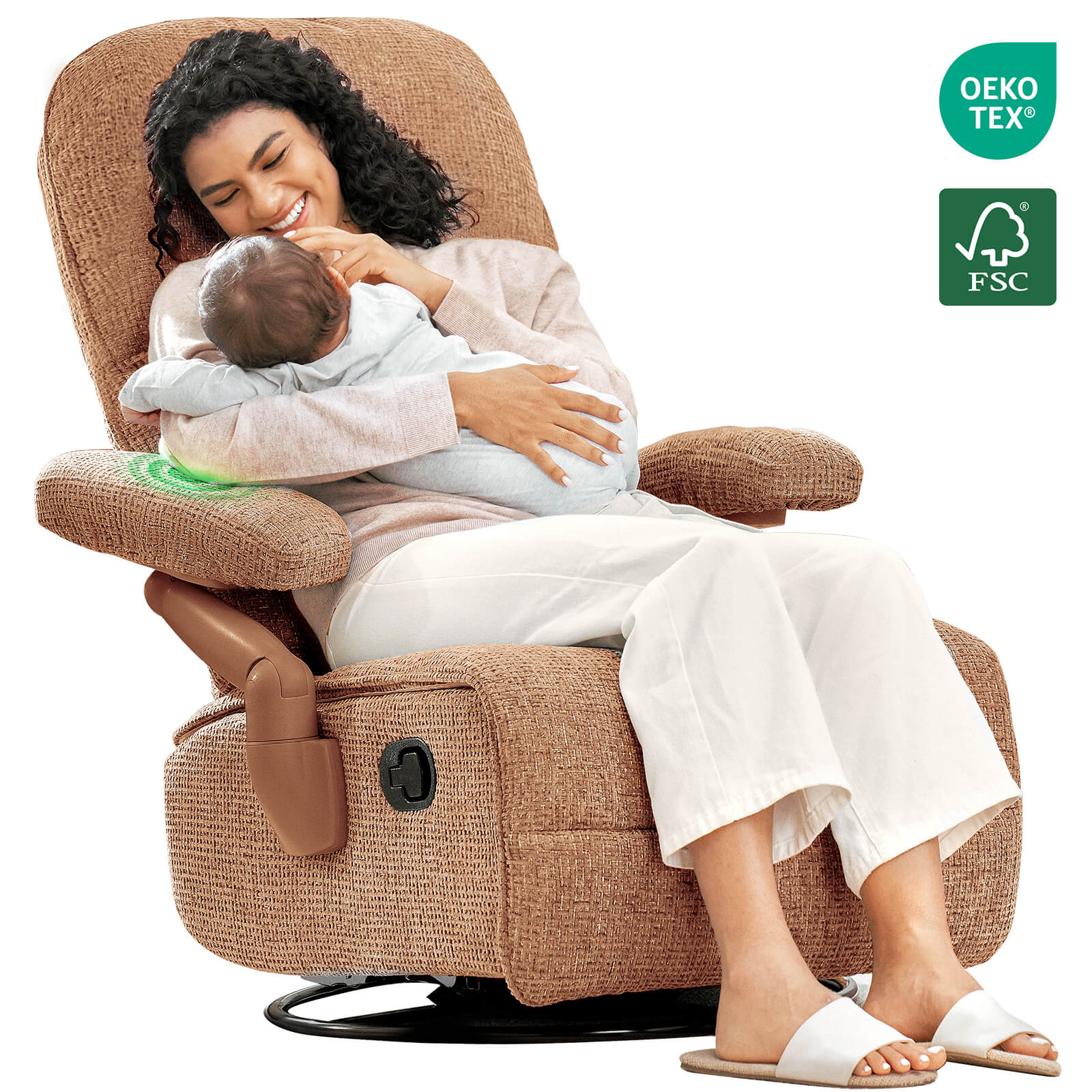
The old article leaned hard into one product spotlight, but the more useful takeaway is broader than that: if you are buying a recliner for a nursery, maintenance deserves the same attention as recline angle, arm support, or swivel motion. You will probably clean this chair more often than any other seat in the house.

If you are still comparing options, it is worth reading Mamazing's guide to the best recliner for a nursery and the brand's breakdown of glider vs recliner for a nursery. If your use case is even more specific, Mamazing also has a guide on choosing a rocking recliner chair for the nursery.
For some families, a removable, washable cover is the real game-changer because cleanup moves from spot treatment to laundry care. For others, faux leather is the easiest compromise between comfort and fast wipe-downs. The right answer depends less on trends and more on what kind of messes your chair will actually see each week.
One reason leather recliners start to look harder to clean than they really are is that families wait until the chair feels grimy. A lighter maintenance rhythm is easier on the finish and easier on you. In a busy home, that usually means a quick dry wipe or vacuum pass every week, a gentler wipe-down whenever sticky buildup appears, and a slower check of seams, headrest, and arm areas every few weeks.
This matters for nursery recliners especially. The mess is rarely dramatic, but it is constant: lotion from your hands, milk drips, snack crumbs, and the damp warmth that builds up after long feeding sessions. Small, regular resets keep those layers from turning into stains that feel bigger than they are. They also make it easier to notice the difference between a surface mark you can handle at home and a finish issue that needs more care.
If you share the chair with a partner or other family members, it can help to keep a microfiber cloth nearby and agree on one simple rule: blot fresh spills now, do the full wipe-down later. That single habit protects the upholstery far better than over-cleaning every mark with a stronger product.
The best routine is to remove dust first, wipe with a lightly damp soft cloth and a mild cleaner, then dry the surface well. If your chair is real leather, only add conditioner when the manufacturer's care guidance supports it.
A tiny amount of mild dish soap diluted in water can work for routine cleaning, but the cloth should only be lightly damp and you should always test a hidden area first. If the finish changes color or sheen, stop and use the brand's recommended care method instead.
Clean faux leather the same calm way you would handle most routine upholstery messes: dust first, wipe with a soft cloth and a mild cleaner, then dry it well. Skip leather conditioner unless the chair's care instructions specifically call for it.
Avoid harsh multi-surface cleaners, bleach, abrasive scrubbers, and random wipes that are not clearly suitable for leather upholstery. When in doubt, use the gentlest method first and check the care instructions before trying a stronger product.
If the mark looks like ink, dye transfer, or something unknown, or if the finish starts lifting, turning cloudy, or feeling rough, it is smarter to stop DIY cleaning and get professional advice. Repeated home experiments are often what turn a small stain into a bigger repair problem.
For many parents, yes. A removable cover can make frequent cleanup easier because you are following the wash-care routine for the cover instead of spot-cleaning the whole chair after every spill. If you are still learning what makes a recliner different from other lounge chairs, maintenance is one of the most practical things to compare early.



Top Strollers: How to Choose the Best Lightweight Travel Stroller for Real Family Life