
- by FangRussell
Best Rated Rocking Chairs for Nursery: Comfort, Safety, and What to Look For
- by FangRussell
If you are trying to choose the best rated rocking chair for a nursery, the fastest shortcut is this: pick the chair that supports your body during long, repetitive use, fits your room without crowding it, and still feels useful after the newborn stage. Ratings matter, but they only help if you know what those stars are really measuring.
For most parents, the right chair comes down to a few practical things: how your back feels after a feed, whether your arms are supported instead of hovering, whether the motion is smooth and quiet, and how easy the upholstery is to wipe down at 2 a.m. A beautiful chair that strains your shoulders or traps every spill is not a high-performing nursery chair in real life.
There is also one safety boundary worth keeping in view while you shop. A rocker or recliner can be a helpful place to feed, soothe, and cuddle your baby while you are awake, but it is not a safe place for routine infant sleep. The U.S. Consumer Product Safety Commission and the Safe to Sleep campaign both emphasize moving babies to a firm, flat sleep surface for sleep.
This guide keeps the focus on what most shoppers actually want to know before buying: which features deserve your money, when a wooden rocker still makes sense, when a padded recliner is the better pick, and how Mamazing's Lullapod fits into that decision without pretending it is the right answer for every nursery.
The best rated rocking chairs for nursery use usually score well because they solve everyday problems, not because they simply look premium in photos. Parents tend to rate a nursery chair highly when it feels comfortable during long feeds, supports the back and elbows, moves quietly enough for soothing, and holds up to repeated cleaning without looking tired too quickly.
That is also where the current page needs to stay focused. Searchers looking for a best rated rocking chair, best nursery chair, or comfortable nursery rocker usually want decision help first. They do not want to land on a page that jumps straight into brand praise before clearly explaining what separates a genuinely useful nursery chair from one that only sounds impressive in marketing copy.
So before comparing styles, use this frame: a high-rated nursery rocker should make feeding, soothing, and sitting more sustainable for you. If it does not improve posture, motion, cleanability, and room fit, the rating alone does not mean much.
If you want the short version, this table is the fastest way to narrow your search. It keeps the original comparison idea, but makes the decision points clearer for shoppers who are weighing wooden rockers against more modern recliners and gliders.
| Chair type | Best for | Main strengths | Watch for |
|---|---|---|---|
| Traditional wooden rocker | Classic nursery look, lighter visual footprint | Timeless style, simple motion, often easier to tuck into decor | Usually less padding, fewer feeding-friendly support features |
| Glider | Parents who want smoother motion without a full recliner feel | Gentle glide, often compact, usually quieter than older rockers | Comfort varies a lot by seat depth and arm height |
| Recliner rocker | Long feeds, all-purpose comfort, late-night soothing | Deeper cushioning, posture support, more flexible seating angles | Needs more floor space and should still keep you upright enough for feeding |
| Swivel recliner with easy-clean upholstery | Parents prioritizing versatility, cleanup, and daily convenience | Good for feeding, reading, guests, and post-nursery use | Can feel bulky if your nursery is very small |
If you are deciding between several top-rated chairs, start with the features that change how the chair feels after thirty minutes, not after thirty seconds in a showroom. The highest-value details are usually the least glamorous ones.
A nursery chair should let you sit back into support instead of hovering forward. That is especially important if you expect frequent feeding sessions, contact soothing, or long stretches where one arm is doing more work than the other. HealthyChildren notes that an armchair with back and arm support can make feeding more comfortable, which is a helpful reminder that posture support is not a luxury add-on for new parents.
Look for a back that supports you all the way through the mid-back and lower back, a seat deep enough to feel secure without forcing you to slouch, and cushioning that feels stable instead of marshmallow-soft. In a nursery chair, too-soft padding can actually make posture worse because you sink and curl instead of staying supported.
Parents often notice armrests only after they have spent a week feeding in a chair that makes their elbows float. Good arm support reduces shoulder tension, helps keep wrists relaxed, and makes it easier to hold a baby or a bottle without improvising with extra pillows every time. If you want a broader buying lens on this point, Mamazing's guide to the best nursing chair is a useful companion read.
When you compare chairs, ask whether the arms are high enough to support you naturally and wide enough that you do not feel pinned in. This matters for bottle-feeding, breastfeeding, story time, and the awkward in-between stage where you are just waiting for a sleepy baby to settle.
The best rocking chairs for nursery use rarely win because they move the most. They win because the motion feels easy to control, does not squeak, and does not jolt you when you shift your weight. For many families, a smooth glide or recline ends up feeling calmer than a more exaggerated traditional rock.
If you are deciding between a glider and a recliner, Mamazing's glider vs recliner comparison can help you think through whether you want compact motion, deeper lounging comfort, or something in between.
Durability is not just about the frame. It is also about whether you can clean the chair without resenting it. Nursery chairs collect milk drips, spit-up, snack crumbs, lotion, and sleepy-parent coffee accidents. Upholstery that wipes down easily usually holds its value better in real family life than fabric that photographs beautifully but stains easily.
This is one reason queries about durability and easy-clean materials are relevant here. Searchers are not just asking for the prettiest chair; they are asking which nursery seating brands actually survive daily use with less maintenance stress.
Wooden rocking chairs are still appealing for good reasons. They can look timeless, feel lighter in a room visually, and suit traditional or minimalist nursery styles very well. If your main priority is aesthetics and you only expect shorter sitting sessions, a well-made wooden rocker can still be a satisfying choice.
But if your reality includes long feeds, frequent cuddling, or recovery from postpartum soreness, the comfort gap can become obvious quickly. Padded gliders and recliners usually offer better arm support, deeper cushioning, and more flexible seating angles. That does not make wooden rockers obsolete; it simply means they fit a different kind of use pattern.
For parents furnishing a smaller room, Mamazing's small-space nursery glider guide can help if you love the idea of a cozy chair but do not have room for something oversized.

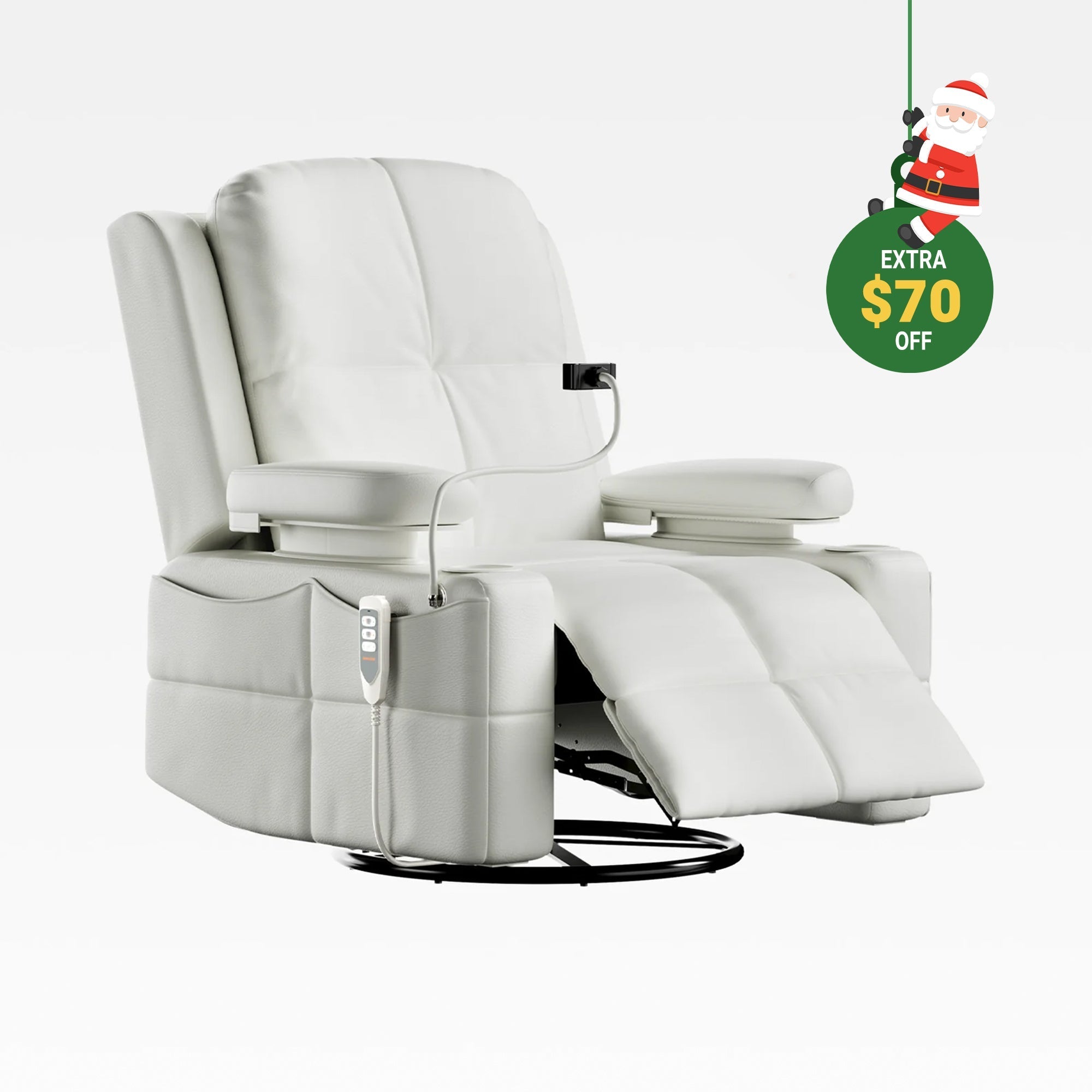
The original article leaned very hard into the Lullapod as the answer, but shoppers usually need something more balanced than that. A better way to think about it is this: the Lullapod makes sense if you want a more lounge-friendly nursery chair with recline, generous cushioning, and a design that still looks at home after the nursery stage. It is less obviously the right fit if you want a lightweight traditional rocker or the most budget-minimal option possible.
Its strongest selling points are the ones that relate directly to everyday use: more supportive seating for long holds, a more modern silhouette than a classic wooden rocker, and upholstery positioned as easy to maintain. Those are real decision factors. The page works better when it explains that tradeoff clearly instead of treating every feature as universally essential.
That also helps the page answer branded queries more honestly. Someone searching Mamazing chair reviews or mamazing nursery chair reviews likely wants to know whether the chair is comfortable, durable, easy to clean, and worth the footprint. They do not only want a list of features; they want context for who the chair suits best.
The Lullapod is most appealing for parents who want a nursery chair that feels soft and supportive enough for repeated daily use and polished enough to move into another room later. If you care about recline, wipe-clean materials, and a chair that feels more like long-term furniture than a single-purpose baby item, it fits that brief well.
If, however, you mostly want a classic rocker look, a smaller silhouette, or the simplest possible manual motion, you may prefer a more traditional option. That kind of distinction builds trust much faster than simply calling one product the best.
The best rated rocking chair for nursery use is not always the biggest, most featured, or most expensive one. It is the one that matches your room, your sitting habits, and the kind of support your body actually needs.
In a compact nursery, an oversized recliner can create friction every time you move around the room. Measure the chair's width, recline clearance, and how much walking space remains once it is in place. A chair that technically fits but blocks storage, the crib path, or dresser access will feel more annoying than luxurious.
If your room is tight, compact nursery-chair articles tend to be more helpful than generic “best rated” lists because they focus on scale, clearance, and maneuverability rather than broad popularity.
Many buyers assume the softest chair is automatically the most comfortable. In real life, support usually beats softness. If you expect to spend long stretches feeding, pumping, or rocking, choose a chair that helps you stay upright and supported. A chair that looks cozy but makes you curl forward will not stay comfortable for long.
This is especially relevant for parents who are shopping not just for nursery style, but for a chair that will genuinely help during night feeds and recovery.

A chair that only works in a themed nursery can start to feel like a short-term purchase. A chair that still makes sense in a reading corner, bedroom, or living room usually feels like better value. That is why long-term style, upholstery durability, and overall silhouette deserve a place in the buying decision alongside newborn-stage comfort.
The safest nursery chair is the one that supports you well while you are awake and helping your baby settle, then does not become a substitute sleep surface. The CPSC and Safe to Sleep both reinforce the same basic rule: babies sleep safest on a firm, flat surface designed for sleep.
That means a nursery rocker should support feeding, cuddling, reading, and calming routines, but if you feel yourself getting drowsy or your baby fully falls asleep, transfer them when possible to a crib, bassinet, or play yard. It is also smart to keep the area around the chair clear so footrests, recline mechanisms, and rocking motion are not competing with baskets, cords, or toys underfoot.
You do not need to turn a nursery chair into a safety lecture. You just need a realistic boundary: comfortable seating is part of a good nursery setup, but it is not the same thing as a safe infant sleep space.
Start with comfort you can actually use every day: supportive back cushioning, armrests at a feeding-friendly height, smooth motion, and upholstery that is easy to wipe down. After that, check the footprint, recline range, and whether the chair still makes sense once the nursery stage is over.
It depends on how you plan to use it. Wooden rockers can look timeless and take up less visual weight, but a recliner usually gives better cushioning, arm support, and flexibility for long feeds or late-night soothing. If comfort during repeated daily use matters most, many parents end up preferring a padded glider or recliner.
They are fine for feeding, cuddling, or soothing while you are awake, but they are not a safe place for routine infant sleep. If your baby falls asleep in your arms or in the chair, move them to a firm, flat sleep surface like a crib, bassinet, or play yard as soon as you can.
Not always, but recline can make a real difference if you expect long feeds, frequent contact naps while you stay awake, or a chair that will become your regular winding-down spot. It is most useful when it improves your posture instead of encouraging you to slump.
Very easy. Spit-up, milk drips, snack crumbs, and lotion marks are part of real life, so wipe-clean upholstery and removable cushions are not small details. A chair that looks beautiful but feels stressful to maintain usually stops feeling like a good buy pretty quickly.
Yes, and that is often what separates a decent buy from a smart one. The best nursery chairs still work later as reading chairs, bedroom loungers, or quiet corners in a living room, so long-term comfort and style matter just as much as newborn-stage features.
The best rated rocking chairs for nursery use are usually the ones that quietly make everyday parenting easier: better back support, calmer motion, easier cleanup, and a shape you will still appreciate after the nursery phase. If a chair helps you feed, soothe, and sit comfortably without fighting your posture or your room layout, it is doing the job that actually matters.
Mamazing can absolutely be part of that answer, especially if you want a more supportive recliner-style option. But the strongest version of this page is not one that pushes a single chair at all costs. It is one that helps you decide what kind of comfort, motion, and long-term value fits your life best, then makes the shopping path clearer from there.
Featured Products


2025 Best Rocking Chair for Nursery: Luxe Comfort on a Realistic Budget
How to Unfold a Stroller Safely: Easy Steps, Release Latch Tips, and What to Do If It Won't Open