
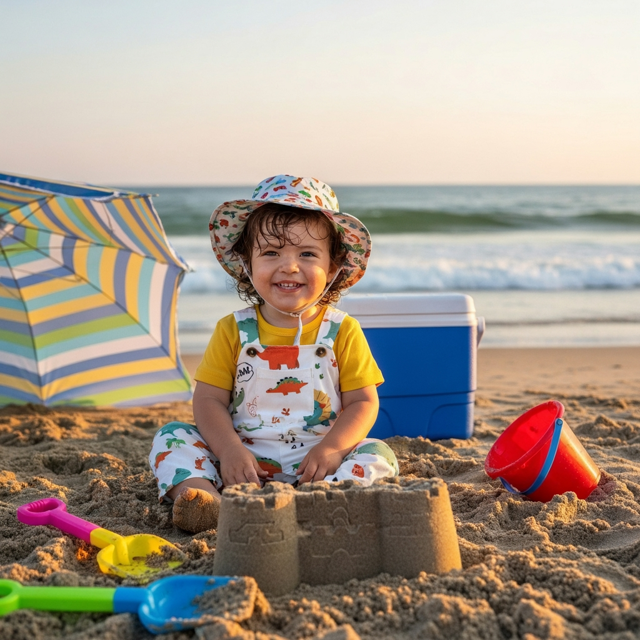
- by xiaoyuyang
Ultimate Baby Beach Guide: Safety Tips & Essentials for Every Age
- by xiaoyuyang
You’re standing at the edge of a beautiful beach, sun hat in one hand and baby sunscreen in the other, wondering if you’ve remembered everything for your little one’s first beach adventure. If this sounds familiar, you're not alone. Every year, millions of new parents ask themselves: When is it safe to take my baby to the beach?
At Mamazing, we understand that planning your baby’s first beach trip can be both exciting and overwhelming. With so much conflicting advice out there, it's natural to feel uncertain, especially when your baby’s safety is the top priority. That’s why we’re here to provide you with expert-backed, reliable guidance you can trust.
Did You Know? According to the American Academy of Dermatology, just one blistering sunburn during childhood or adolescence can nearly double a person’s risk of developing melanoma later in life, making sun protection a must from an early age.
This guide combines pediatrician-approved safety tips with practical parenting advice, ensuring that your baby’s beach experience is safe, enjoyable, and memorable. You'll find age-specific safety guidelines, essential gear recommendations, and expert tips that go far beyond just sunscreen.
What you'll learn:
The question of when your baby can go to the beach first time doesn't have a one-size-fits-all answer. Your baby's age, health status, and the beach conditions all play crucial roles in determining readiness.
0-3 Months Your newborn's immune system is still developing, making them more vulnerable to environmental factors. Here's what you need to know about newborn beach safety:
3-6 Months This age group requires special attention since they still cannot use traditional sunscreen. Your baby beach tips strategy should focus on:
| Safety Area | Recommendation | Why It Matters |
|---|---|---|
| Shade Coverage | 100% shade at all times | No sunscreen protection available |
| Clothing | Long sleeves, pants, wide-brim hat | Primary UV protection method |
| Duration | 1-2 hours maximum | Prevents overstimulation and overheating |
| Hydration | Extra nursing/bottle sessions | Increased fluid needs in warm weather |
6-12 Months This milestone age opens up new possibilities for baby beach safety as sunscreen becomes an option. According to the FDA guidelines, babies 6 months and older can safely use sunscreen when other protection methods aren't sufficient.
Key developments at this age:
Score 20-25: Perfect beach day! Score 15-19: Good conditions, proceed. Score below 15: Consider postponing.
A well-planned baby beach packing list essentials can make the difference between a stressful outing and a enjoyable family memory. Organized preparation helps parents feel more confident and allows them to focus on creating positive experiences with their babies.

Sun protection forms the foundation of your baby sun protection beach strategy. Here's your complete UV safety equipment guide:
Essential UV Protection Gear:
Quality beach safety doesn't require breaking the bank. Here are the best baby beach gear options that deliver maximum protection without the premium price:
| Item | Price Range | Key Features |
|---|---|---|
| Pop-Up Beach Tent | $25-35 | UPF 50+, easy setup, compact storage |
| Baby Rash Guard Set | $15-25 | UPF 50+, chlorine resistant, quick-dry |
| Insulated Beach Cooler | $20-30 | Keeps bottles cold, easy-clean interior |
| Waterproof Beach Bag | $12-18 | Sand-resistant, multiple compartments |
Choosing the right swim diapers for beach babies is crucial for both hygiene and comfort. Unlike regular diapers, swim diapers are designed to contain solid waste while allowing liquids to pass through.
Disposable vs. Reusable Swim Diapers:
Learning how to protect baby from sun at beach requires a multi-layered approach. The American Academy of Pediatrics emphasizes that effective sun protection combines multiple strategies rather than relying on any single method.
For babies 6 months and older, baby sunscreen SPF 50 beach safe formulations provide crucial protection. If you're unsure about when can baby wear sunscreen, the 6-month milestone is your green light. Here's the pediatrician-approved application protocol:
Proper Sunscreen Application Steps:
Keeping baby cool at beach requires active monitoring and intervention. Babies are at higher risk for heat-related illness due to their developing thermoregulation systems.
Red flags: Any concerning changes mean it's time for a shade break or departure.

First-time parents face unique challenges when planning beach trips. These baby beach safety tips first time parents should know can prevent common mistakes and ensure a positive experience.
Beach water safety for babies under 1 requires understanding the differences between ocean and pool environments:
| Water Type | Safety Considerations | Age Recommendations |
|---|---|---|
| Ocean Water | Waves, salt content, marine life, temperature variations | Supervised wading only for 12+ months |
| Beach Pools | Chlorine levels, depth, crowd factor | Shallow end only with constant supervision |
| Tidal Pools | Sharp rocks, small creatures, water quality | Visual exploration only, no touching |
Recognizing the signs of baby overheating beach scenarios is critical for immediate intervention. Babies can develop heat-related illness much faster than adults.
Early Warning Signs:
Immediate Treatment Protocol:
Even with perfect planning, beach trips with babies can present unexpected challenges. These proven solutions address the most common issues parents face.
Almost every parent deals with baby eating sand at beach scenarios. While small amounts of sand ingestion are generally harmless, prevention is always preferred.
Prevention Strategies:
Knowing how to remove sand from baby efficiently can save time and reduce fussiness. Here are the most effective techniques:
Taking your baby to the beach doesn't have to be stressful or overwhelming. With proper preparation, age-appropriate safety measures, and the right gear, you can create wonderful family memories while keeping your little one safe and comfortable.
Remember the key priorities:
At Mamazing, we believe every family deserves to enjoy the beach safely. Start with short visits, build your confidence, and gradually extend your beach adventures as your baby grows and develops.
Your baby's first beach experience is a milestone worth celebrating. With this comprehensive guide, you're equipped with expert knowledge and practical strategies to make it a success.
Baby Mosquito Bite: What It Looks Like, How to Treat It, and When to Worry
Breastfed Newborn Diarrhea or Normal Poop? Signs, Causes, and When to Call the Doctor