
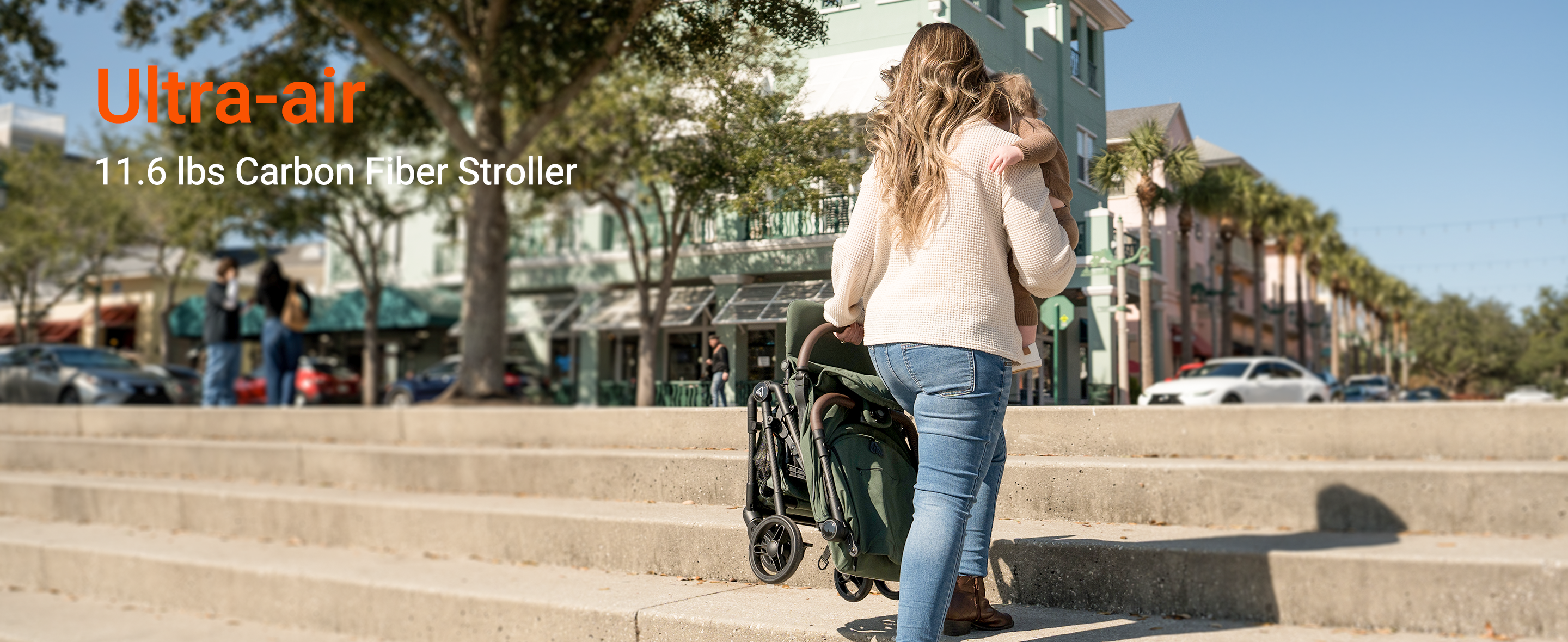
If you are trying to figure out the common travel stroller problems before you buy, or you are already dealing with one and wondering what are the common issues faced with baby strollers and how to fix them, the short answer is this: most parent frustration comes from seven recurring trouble spots. Travel stroller flaws usually show up in the fold, steering, suspension, frame stability, storage, safety setup, and canopy coverage. Some are annoying but manageable. Others are signs you should skip that stroller model or stop using it until the issue is solved.
The goal is not to find a "perfect" stroller. It is to spot the travel stroller problems that will actually affect your daily life. If a stroller is hard to fold in a parking lot, tips when you hang a diaper bag on the handle, struggles on broken sidewalks, or leaves your child hot and under-shaded, that is not a small detail. It is a design choice you will feel every week. This guide from Mamazing keeps the original issue-by-issue structure, but makes it easier to tell what is fixable, what is a buying red flag, and what to check before you commit.
Quick answer: what are the most common travel stroller problems?
The most common travel stroller problems are hard folding, poor maneuverability, weak suspension, unstable frames, tiny or awkward storage, weak safety systems, and canopies that do not give enough coverage. In real life, these problems show up as very specific frustrations: you need two hands to fold the stroller, it drags on uneven pavement, the baby gets jostled on rough ground, the stroller feels tippy when loaded, the basket is useless, the brake feels flimsy, or the canopy barely blocks sun and wind.
If you want the fastest way to judge whether a problem is just irritating or a sign to walk away, use this quick table:
| Problem | What it feels like | Usually fixable? | When to treat it as a red flag |
|---|---|---|---|
| Hard fold | Awkward in airports, trunks, stairs, or one-hand use | Sometimes | If the lock is unreliable or the fold never feels secure |
| Poor maneuverability | Pulling, dragging, stuck front wheels, rough turns | Sometimes | If your usual roads are uneven and the stroller clearly is not built for them |
| Weak comfort and suspension | Bumpy ride, fussy baby, shallow recline | Partly | If your stroller is for long outings and comfort matters every day |
| Tipping or frame wobble | Feels unstable when the child leans or bags are added | Sometimes | If the stroller tips easily even when used correctly |
| Weak safety setup | Harness, brake, or lock feels flimsy or inconsistent | Not one to gamble on | Any time the restraint, brake, or locking system is unreliable |
| Poor canopy and storage | Constantly short on shade or daily essentials space | Usually | If the stroller is marketed for travel but leaves you improvising every outing |
Common travel stroller problems and how to fix them
Most common stroller issues fall into a predictable pattern. The better question is not just how to fix stroller problems, but whether the fix matches the stroller's job. A travel model can be lighter and more compact than a full-feature stroller, but it still has to feel safe, manageable, and realistic for your routine.
Difficulty in folding
Folding trouble is one of the most common travel stroller problems because it creates stress exactly when parents are least free: boarding a plane, loading a trunk, holding a baby, or juggling bags. If the folding sequence is too fussy, needs both hands every time, or does not lock cleanly once closed, the stroller stops feeling travel-friendly very quickly.
- Common cause: too many fold steps, an awkward release point, or a lock that feels stiff and inconsistent.
- Worth trying: check whether the issue is poor setup, debris in the joints, or a fold sequence that feels easier after a few practice runs.
- Treat as a buying red flag: if the stroller still feels unreliable after you learn the fold, especially if it pops open, jams, or needs more force than it should.
If travel is a major use case for you, it is worth reading a more flight-specific checklist like this guide to choosing a stroller that actually works for overhead-bin travel, because compact fold dimensions matter just as much as total stroller weight.

Poor maneuverability on uneven ground
Poor maneuverability usually means the stroller was optimized for low weight and tight folding more than for real-world terrain. That does not always make it a bad stroller. It does mean you should be honest about where you use it most. Tiny wheels, limited front-wheel swivel, or a lightweight frame can feel fine on smooth indoor floors and then frustrating on cracked sidewalks, cobblestones, curb edges, or patchy roads.
- Common cause: small wheels, rigid steering, light front-end feel, or poor balance once the basket is loaded.
- Worth trying: check tire condition if applicable, avoid overloading one side of the basket, and test whether the stroller feels better on your normal route when the child and gear are balanced.
- Treat as a buying red flag: if your daily route is rough and the stroller feels twitchy or hard to control even in normal use.
Inadequate suspension and seat comfort
Travel strollers often trade plushness for portability. That is a reasonable compromise for short errands. It becomes a problem when your baby rides for long stretches, naps in the stroller, or spends a lot of time on less forgiving surfaces. Hard seats, shallow recline options, and minimal suspension can make a stroller feel acceptable in a store and exhausting outside.
Comfort is one of the clearest places where parents need to compare low-weight convenience against real-life use. If you are still deciding which tradeoffs feel acceptable, Mamazing's lightweight vs full-feature stroller comparison is a useful next read.

- Common cause: basic seat padding, a shallow recline, or very limited shock absorption.
- Worth trying: treat this as a role-fit issue first. If the stroller is for short trips, the tradeoff may be acceptable. If it is for longer days, it may simply be the wrong model.
- Treat as a buying red flag: if your child clearly cannot rest comfortably in the stroller you plan to use for travel days, sightseeing, or longer family outings.
Weak or unstable frame
Frame weakness is different from a stroller simply being light. A good lightweight stroller can still feel planted. A weak stroller feels wobbly, flexes too much, or starts to feel less stable once the child shifts, the basket is loaded, or the route becomes uneven. This is also where reader anxiety around tipping usually starts.
- Common cause: a narrow base, poor weight distribution, weak joints, or a frame that was pushed too far toward compactness without enough structural stability.
- Worth trying: confirm you are not hanging heavy bags on the handle and that the basket load is not pulling the stroller backward.
- Treat as a buying red flag: if the stroller still feels unstable in normal use without overloading.

If you are comparing category claims like "premium engineering" or "future-ready design," it helps to look past marketing language and focus on the parts that affect balance, fold quality, and long-term use. This is where thoughtful design matters, and Mamazing's piece on what next-generation foldable stroller design actually gets right offers a useful lens.
Lack of storage space
A tiny basket is rarely dangerous, but it can make a stroller feel more frustrating than expected. When the storage is too small, too shallow, or impossible to access once the seat reclines, parents start hanging bags on the handle or carrying too much by hand. That usually creates new problems instead of solving the first one.
- Common cause: small basket opening, low basket capacity, or a frame shape that blocks access.
- Worth trying: use the basket only for lighter, low-centered items and avoid turning the handlebar into a bag rack.
- Treat as a buying red flag: if your routine includes long outings and essentials storage is a daily need, not a nice-to-have.
Poor safety features
Safety issues belong in a different category from inconvenience. A flimsy harness, inconsistent brake, or unreliable lock is not just one of the common stroller issues parents learn to live with. It is a reason to pause. The American Academy of Pediatrics' HealthyChildren stroller safety guidance advises parents to use the restraint system, lock the stroller open before use, and avoid hanging bags from the handles because that can make the stroller tip backward. The U.S. Consumer Product Safety Commission stroller safety guide also emphasizes secure harness use, locking mechanisms, and checking for missing or damaged parts.
- Common cause: low-quality hardware, poor brake engagement, or a lock that does not feel fully engaged.
- Worth trying: stop and inspect the stroller before the next outing rather than improvising around a safety issue.
- Do not ignore: any repeated brake failure, lock failure, damaged frame part, or harness problem.
Inflexible canopy
A weak canopy is easy to dismiss in the store and surprisingly annoying outdoors. If the canopy is too short, does not extend enough, or traps heat, your child ends up exposed to glare, wind, or weather far sooner than you expected. For travel use, canopy quality matters because trips often include naps on the move, unfamiliar weather, and long waits outside.
- Common cause: minimal fabric coverage, limited adjustability, or not enough ventilation.
- Worth trying: think about your real weather conditions, not ideal showroom conditions.
- Treat as a buying red flag: if naps on the go, sun coverage, or hot-weather airflow matter a lot for your family.
Are lightweight strollers suitable for rough terrains?
Usually, not as a first choice. A lightweight stroller can handle occasional uneven ground, but most lightweight travel models are not ideal for rough terrain if that is part of your normal routine. Smaller wheels, simpler suspension, and a lighter frame can make them feel skittish on broken pavement, gravel, cobblestones, or patchy roads. That does not mean you need the heaviest stroller possible. It means you should not expect a compact travel stroller to behave like a more robust everyday model on demanding surfaces.
If your real-life route includes rough paths, older sidewalks, or frequent curb handling, prioritize wheel design, steering feel, and frame balance over the lightest possible number on the spec sheet. This long-tail question matters because many parents do not regret a stroller for being slightly heavier. They regret it for feeling underbuilt where they actually use it.
Why do strollers tip backwards, and when is it a design flaw?
Strollers tip backward for two broad reasons: user loading and weak balance design. If you hang a heavy diaper bag on the handle, place too much weight high up, or let the basket load pull backward, even a decent stroller can become unstable. But if the stroller still feels tippy with normal use and reasonable loading, that points more strongly to a narrow base, poor center of gravity, or a frame that is simply too lightly built for the seat position and expected load.
This is one of the most practical reader questions because parents often ask why does my baby's stroller keep tipping backwards when I hang our diaper bag on it. The reader-first answer is: the bag may be the trigger, but the stroller's balance design decides how forgiving the stroller is. A well-balanced stroller should not feel eager to flip from normal family use.
| If this happens... | Try this first | If it still happens... |
|---|---|---|
| Tips only when bags are on the handle | Move weight to the basket or carry it separately | Treat the stroller as low-margin for real-world loading |
| Feels unstable on slopes or curb transitions | Check wheel alignment and balance of the load | It may be the wrong stroller for your terrain |
| Feels tippy even in ordinary use | Stop testing limits and reassess the stroller | Treat it as a design or safety concern, not a quirk |
When a stroller problem is fixable at home and when it is not
One reason the search query common issues faced with baby strollers and how to fix them keeps showing up is that parents want a realistic boundary between a quick fix and a bad purchase. That boundary matters. Some problems are about adjustment, cleaning, or using the stroller within its limits. Others should not be normalized.
- Usually fixable: learning the fold sequence, clearing light debris from moving joints, adjusting how you load the basket, or rethinking whether a travel stroller is being asked to do a rough-terrain job.
- Sometimes fixable: steering issues caused by uneven loading, canopy annoyance you can live with, or storage frustration that only matters on long outings.
- Not a "just deal with it" problem: weak brakes, harness trouble, a lock that does not engage properly, repeated tipping in normal use, or visible frame damage.
That last category is where reader trust matters most. Parents do not need an article that tells them to tolerate unsafe design. They need permission to treat some flaws as disqualifying.

What to check before you buy a travel stroller
The best way to avoid travel stroller flaws is to test the stroller against your most annoying real-life use case, not your idealized one. Before buying, run through this short checklist:
- Fold test: Can you fold and lock it quickly without a perfect demo situation?
- Carry test: Does the folded stroller still feel realistic for stairs, trunks, and travel days?
- Steering test: Does it still feel controlled when pushed one-handed or over uneven surfaces?
- Balance test: Does it feel stable with normal baby gear, not just empty in a showroom?
- Comfort test: Is the seat, recline, and ride quality good enough for your actual outing length?
- Safety test: Do the harness, brake, and frame locks feel easy to trust, not just technically present?
- Shade and airflow test: Will the canopy still feel useful in sun, wind, and nap situations?
If you are stuck between paying more for a better-built stroller or saving money on a lighter but thinner-feeling option, it can also help to read Mamazing's take on what more expensive stroller designs actually give you. The useful difference is not luxury for its own sake. It is whether the engineering meaningfully reduces the problems you care about most.
FAQ
Are lightweight strollers suitable for rough terrains?
Usually only for occasional rough patches, not as a true rough-terrain solution. If broken sidewalks, gravel, or uneven roads are part of your regular routine, a very lightweight stroller often feels less stable and less comfortable than a sturdier model.
Why does my stroller keep tipping backwards when I hang a diaper bag on it?
Because the extra weight changes the stroller's balance. A bag on the handle can make even a decent stroller less stable, and it exposes weak balance design even faster. If tipping happens easily in normal use, treat it as more than a minor annoyance.
Can I fix folding problems at home?
Sometimes. If the issue is unfamiliar technique, a stiff joint, or light debris, you may be able to improve it. But if the stroller never locks confidently or repeatedly jams, that is not something to wave away on a travel model.
What safety features matter most in a travel stroller?
The essentials are a restraint system that is easy to use correctly, brakes that engage reliably, and a frame lock that stays secure when the stroller is open or folded. If any of those feel inconsistent, do not treat them as optional details.
When should I repair a stroller instead of replacing it?
Repair or adjust it when the issue is small, clearly understood, and does not affect core safety. Replace it, return it, or stop using it when the problem involves braking, locking, harness reliability, repeated tipping, or structural weakness.
The bottom line
The best version of this article is not one that chases keywords and forgets the reader. It is one that helps you quickly understand which common travel stroller problems are normal tradeoffs, which travel stroller flaws are worth fixing, and which ones are telling you to keep shopping. If you came here asking what are the common issues faced with baby strollers and how to fix them, the practical answer is to look beyond specs and focus on fold quality, terrain fit, stability, safety, comfort, and daily use.
Mamazing's view is simple: a good stroller should make family movement easier, not create new friction every time you leave home. If you are still comparing options, use the checklist above, follow the internal guides that match your routine, and choose the stroller that solves your real weekly problems rather than the one with the neatest showroom pitch.
What Makes the Best Ergonomic Stroller? The Science Behind Better Design for Babies and Parents
Do You Need a Travel Stroller? When to Bring One and When to Go Without