
- by xiaoyuyang
Umbilical Cord Fell Off Day 4: Is It Too Early and What to Do Next
- by xiaoyuyang
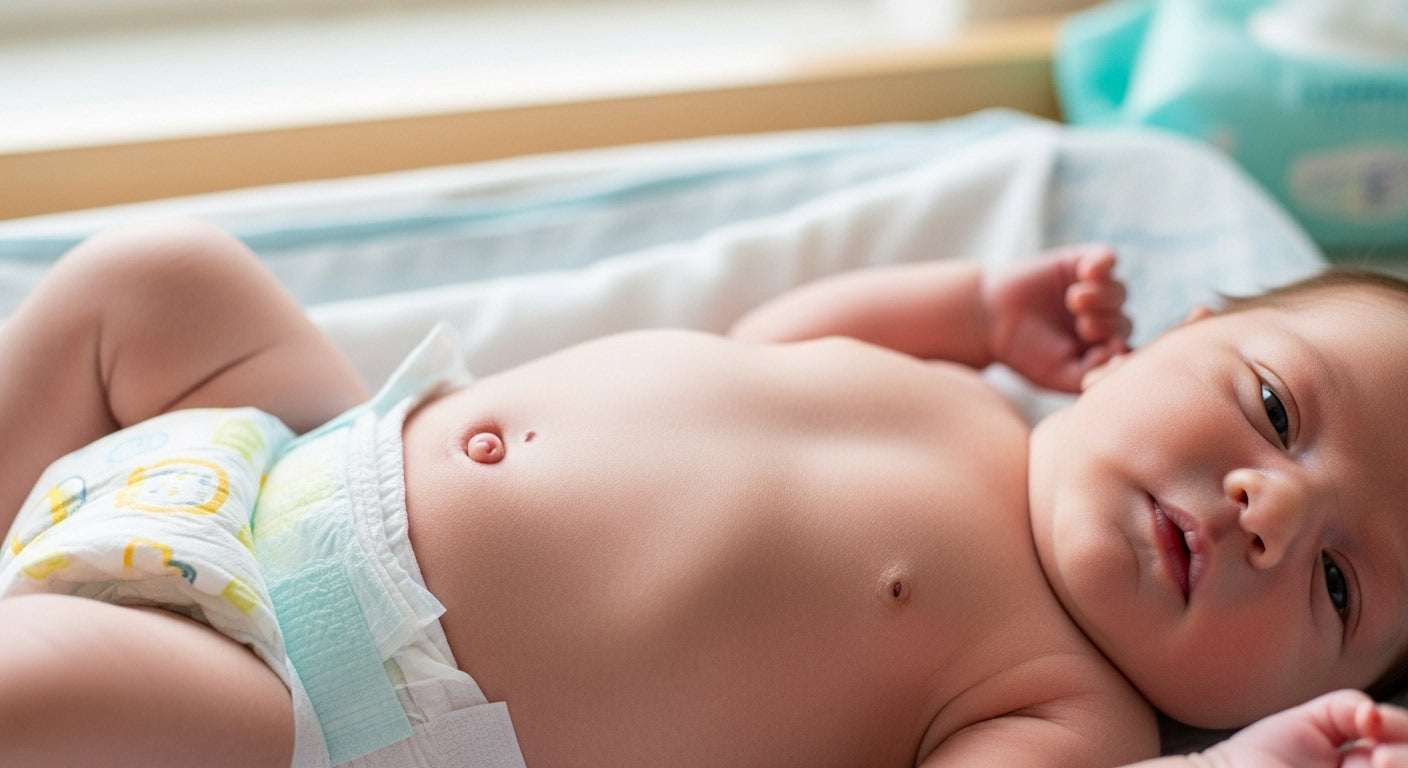
If your umbilical cord fell off day 4, take a breath: this can still be normal for many babies. In most cases, your next step is simple home care: keep the area clean and dry, fold the diaper below the belly button, and watch for warning signs like spreading redness, foul smell, fever, or bleeding that does not stop. This guide gives you a practical day-by-day framework so you know when to stay calm and when to call your pediatrician.
At Mamazing, we hear this same question from anxious new parents every week: "Is day 4 too early?" The short answer is that normal cord separation has a range. While many stumps fall off around the second week, some healthy newborns lose the stump earlier. What matters most is not only the day number, but what the skin looks like afterward and how your baby behaves overall.
Day 4 can be within normal variation if your baby otherwise looks well. Use this immediate rule: if there is only slight spotting, no bad odor, no spreading redness, and no fever, continue gentle care at home. If any red flag appears, call your pediatrician the same day.
| Day stump fell off | Usually normal? | What to do now | Call doctor if... |
|---|---|---|---|
| Day 3 | Can be normal, but less common | Check skin 2-3 times/day, keep dry, avoid friction | Any active bleeding, odor, or redness that expands |
| Day 4 | Often still within normal range | Gentle cleaning, diaper below navel, daily monitoring | Persistent oozing, thick discharge, fever, or irritability |
| Day 5 | Commonly normal | Continue dry care; avoid alcohol unless told by clinician | Worsening redness, pain with touch, foul odor |
| Day 6 | Very often normal | Keep routine care and observe healing to dry skin | Bleeding beyond 24 hours or baby appears unwell |
Guidance from pediatric sources describes a broad normal window for stump separation, often around one to two weeks, but earlier or later can still occur. Mayo Clinic notes that most stumps fall off within about 1 to 3 weeks, and ongoing dry care is recommended rather than aggressive cleaning (Mayo Clinic umbilical cord care). The American Academy of Pediatrics' HealthyChildren guidance similarly emphasizes keeping the area clean and dry while it heals (HealthyChildren.org cord care overview).
So if your baby's umbilical cord fell off day 4 and your baby is feeding, waking, and behaving as usual, you are often looking at a normal variant rather than an emergency. Parents commonly over-focus on the exact day and under-focus on clinical signs. The skin appearance and your baby's general condition are more important than whether separation happened on day 4 versus day 7.
Early fall-off becomes concerning when it is paired with signs of infection or injury. Seattle Children's guidance highlights red streaking, significant swelling, and fever as reasons to seek care promptly (Seattle Children's cord symptom checker). If you notice any of those, treat this as a same-day medical issue rather than "wait and see."

Use this practical sequence when you first notice the stump has separated:
If all four answers are yes, home care is usually appropriate. If one answer is no, call your pediatrician for guidance.
Keep the routine simple. Over-cleaning is a common mistake. In most cases, once daily gentle care is enough unless stool or urine contaminates the area.
The World Health Organization also supports clean, dry cord care for many settings, while emphasizing infection prevention and hygiene basics (WHO cord care recommendations).
Most families can move from sponge baths to brief tub baths once the stump is fully detached and the navel base looks dry without active oozing or bleeding. Keep the first few baths short, use lukewarm water, and dry the belly button area well afterward.
If you want a complete step-by-step routine for your first home bath, see our guide on when to give newborn first bath at home.
When in doubt, your own pediatrician's advice should override generic online timelines, especially for preterm babies or babies with skin concerns.

This is one of the most stressful scenarios for parents and one of the biggest content gaps in many articles. If clothing, diaper friction, or accidental tugging pulled the stump off, use a calm, step-by-step response:
Small spotting after minor trauma can happen. What should not be ignored is bleeding that continues, tissue that looks increasingly inflamed, or a baby who seems less active, less interested in feeding, or feverish.
| Finding | Often normal | Concerning |
|---|---|---|
| Bleeding | Tiny spot on diaper or cotton | Steady bleeding or repeat bleeding despite pressure |
| Discharge | Small amount of clear or lightly yellow moisture | Thick yellow-green pus, increasing volume |
| Smell | Minimal or no odor | Strong foul odor |
| Skin color | Mild temporary pink rim | Redness that expands outward or feels hot |
If you are deciding between "monitor" and "call," choose the safer path and call. A quick office message can prevent a late-night emergency visit.
Call your pediatrician promptly if you see any of these:
For young infants, fever is always important. A rectal temperature at or above 100.4°F (38°C) is a same-day medical issue in early infancy per major pediatric guidance (HealthyChildren fever guidance). You can also review our parent-friendly guide to baby fever for practical at-home checks while waiting for professional advice.

Some families reading this page are in the opposite situation: the stump has not separated even after two to three weeks. That can still happen without serious illness, especially when the base remains dry and non-inflamed. However, if separation is very delayed or the area looks persistently wet and irritated, your pediatrician may check for conditions like an umbilical granuloma and discuss treatment options.
A granuloma often appears as a small moist pink-red lump after separation and may cause light persistent drainage. This is usually manageable in clinic, but you should not try to treat it with home chemicals or aggressive cleaning. Clinical evaluation is the safest route.
The first two days after your baby's umbilical cord falls off are when most parents feel uncertain. A simple schedule can reduce anxiety and help you catch changes early without checking obsessively.
This framework gives you enough monitoring to be safe while still protecting your rest and confidence as a new parent.
A tiny spot alone is usually not an emergency. Clean gently, keep dry, and watch the next two diaper changes. If bleeding repeats or increases, call your pediatrician.
Small moisture can be part of healing. Keep the area dry between changes and avoid over-cleaning. If the moisture becomes thick, smelly, or yellow-green, move from monitor mode to call mode.
Most of the time, early separation is not caused by parental error. Normal skin variation, stump dryness, and friction from normal diaper use can all play a role. Focus on present care steps rather than self-blame.
Yes. Tight waistbands and rough seams can rub the healing navel and delay drying. Choose soft, breathable fabrics and keep pressure off the area for several days.
Use this quick distinction when you are deciding what to do next:
If your baby moves from one category to a more severe one, do not wait for a full day to pass before contacting care. Infant skin and soft tissue changes can progress faster than parents expect.
Parents often get faster, clearer advice when they report the right details in one message. Before you call or send a portal note, prepare this checklist:
That concise summary helps your clinician decide quickly whether you can continue home care, need a same-day office visit, or should go directly for urgent evaluation.
Not always. Day-based rules are useful guides, not absolute diagnosis tools. Clinical signs and baby behavior are better decision anchors.
Too much friction and moisture can irritate the area. Gentle, dry care usually works better than frequent scrubbing.
Fever is important, but local signs still matter. Spreading redness or foul smell can require medical review even before fever appears.
Early calls are exactly what pediatric teams want for newborn concerns. A short same-day question can prevent worsening symptoms and emergency stress later.
Day 4 can still be normal for many healthy newborns. If your baby feeds well, has no fever, and the belly button area has only mild spotting without spreading redness or foul odor, you can continue routine home care and monitoring.
You can usually start a short tub bath after the stump has fully separated and the navel looks dry, with no active bleeding or oozing. Until then, use sponge baths and keep the area as dry as possible.
Wash your hands, gently clean away residue with plain water, pat the area dry, fold the diaper below the navel, and check the skin daily for redness, odor, swelling, or persistent drainage.
Apply gentle pressure with clean gauze for a few minutes, keep the area dry, and observe closely. Call your pediatrician the same day if bleeding does not stop, or sooner if your baby has fever, worsening redness, or appears unwell.
Call your pediatrician if redness spreads, the area smells bad, drainage becomes thick yellow or green, bleeding lasts more than a day, or your baby has a temperature of 100.4°F (38°C) or higher.
If your baby's umbilical cord fell off day 4, your best approach is calm observation plus clean, dry care. The exact day matters less than warning signs and overall baby behavior. Most families can safely manage this at home with simple steps, and a quick pediatrician call is always appropriate if anything feels uncertain. At Mamazing, our goal is to help you make confident decisions in those high-stress parenting moments: clear signals, practical actions, and zero guilt for asking for help early.



How to Restore Your Milk Supply: Essential Tips for New Moms