
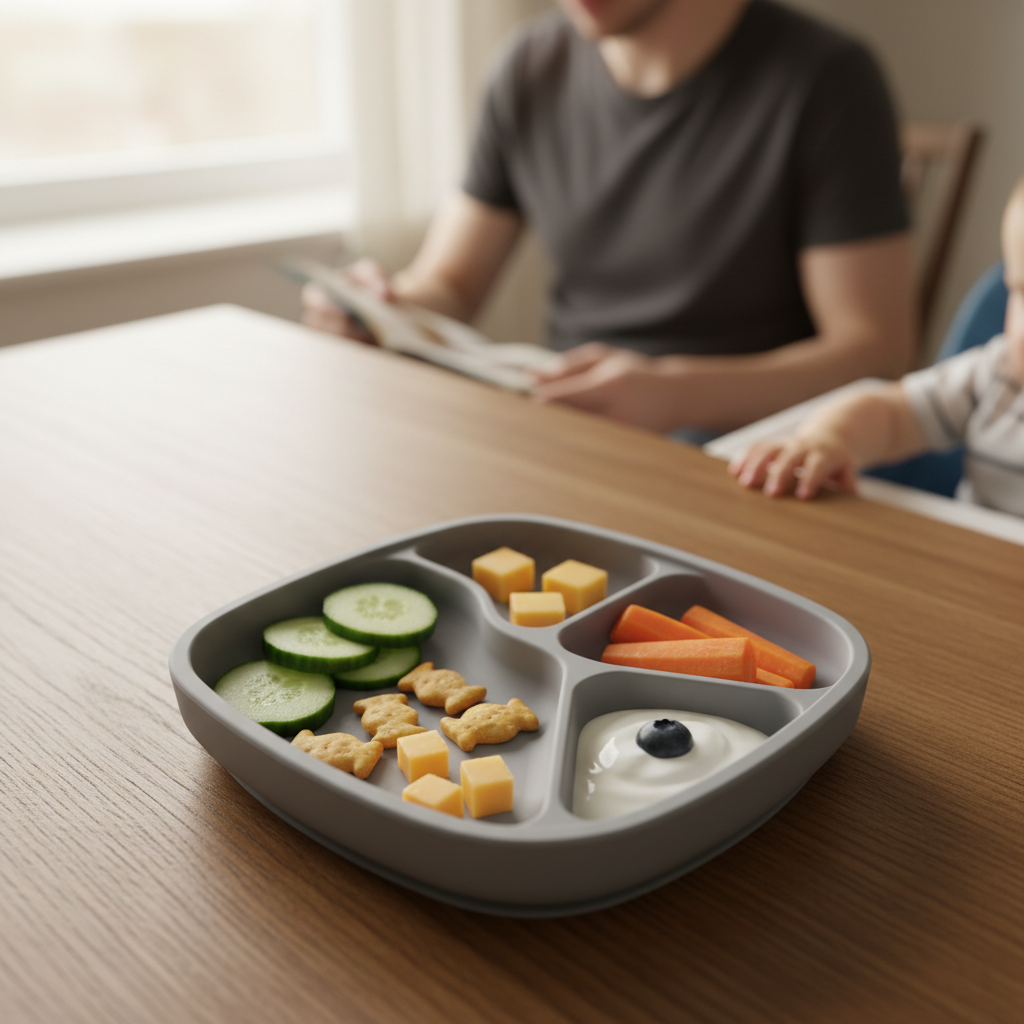
If you are searching for toddler meals for picky eaters, you probably do not need a lecture about “just keep offering broccoli.” You need meal ideas that feel realistic on a Tuesday night, do not require a second full dinner for the grown-ups, and still give your child a chance to eat something besides crackers and yogurt.
Here is the helpful reset: picky eating is very common in toddlers. HealthyChildren notes that appetite often drops after the first birthday because growth slows, and choosy eating is especially common between ages 2 and 4. A calmer, lower-pressure approach usually works better than bargaining, bribing, or cooking a totally separate menu every night.
This guide is built around the search intent behind toddler meals for picky eaters, picky toddler dinner ideas, and what to feed a picky toddler. You will get a simple meal formula, 75 easy ideas across breakfast, lunch, dinner, snacks, and rescue add-ons, plus pediatrician-backed tips for milk-heavy phases and the moments when selective eating needs a closer look.
Quick Answer: What Works Best for Picky Toddler Meals?
The meals picky toddlers are most likely to accept are usually not the fanciest ones. They are familiar in texture, easy to see and separate, and built around at least one food the child already trusts. According to HealthyChildren's picky eater guidance, a useful low-pressure pattern is to offer structured meals and snacks, include at least one liked food, and keep re-offering new foods over time instead of turning every meal into a showdown.
So if you want one formula to remember, use this:
| Build the plate with... | Why it helps | Example |
|---|---|---|
| 1 safe food | Reduces panic and makes the plate feel familiar | toast, yogurt, berries, rice, pasta, cheese |
| 1 bridge food | Feels close to something they already accept | sweet potato fries if they like regular fries |
| 1 low-pressure stretch food | Keeps exposure going without demanding bites | two peas, a bean dip, a slice of avocado, one mini meatball |
That is the mindset behind the 75 ideas below. You are not trying to win one heroic meal. You are trying to create enough low-drama reps that eating becomes less of a battle over time.
If your toddler eats almost nothing from a given plate, that does not automatically mean the meal failed. Exposure still counts when your child touches, licks, smells, spits out, or simply leaves a new food sitting nearby without a meltdown. That is one reason practical picky-eating progress often looks boring from the outside: the wins are usually tiny, repeated, and much less dramatic than the struggle parents were bracing for.
Why Picky Eating Happens in Toddlers
HealthyChildren's toddler nutrition overview explains that many parents notice a sharp appetite drop after the first birthday because growth slows. That can make it feel like your toddler “used to eat everything” and suddenly survives on air, milk, and one beige carb. At the same time, toddlers are becoming more independent, more opinionated, and more cautious about unfamiliar foods.
That does not mean every meal refusal is a pathology. On the contrary, AAP guidance for choosy eaters describes selective eating in early childhood as very common and often short-lived. The practical takeaway is reassuring: you do not need a perfect menu to fix picky eating. You need repetition, structure, and realistic expectations.
It also helps to think in weeks instead of single meals. HealthyChildren's sample menu for a 2-year-old reminds parents that toddlers generally do best with three meals plus one or two snacks and that it is better to look at intake over time instead of forcing one “good” dinner.
The Low-Pressure Meal Formula
Before the idea list, get the structure right. HealthyChildren's serving-size guide for toddlers notes that toddler portions are much smaller than adult ones and are often around a quarter of an adult portion. That matters because plates that look “normal” to you can look overwhelming to a toddler before they even take a bite.
A simple low-pressure formula looks like this:
- Serve small portions first. Tiny portions feel less threatening and are easy to refill.
- Keep meals and snacks structured. The AAP picky-eating guidance recommends regular meal and snack times instead of grazing all day.
- Include at least one accepted food. That gives your child a way into the meal without needing a backup dinner.
- Re-offer foods without fanfare. HealthyChildren notes that it can take 15 to 20 tries before a new food feels familiar enough to accept.
- Do not overcomplicate the plate. A protein, a produce item, and a grain or starchy side is usually enough.
If your child likes self-feeding more than mixed or spooned foods, Mamazing's finger foods for toddlers guide is a natural companion to this article.

15 Breakfast Ideas for Picky Toddlers
- banana-oat pancakes with a side of yogurt
- mini waffles with thin peanut butter and sliced strawberries
- scrambled egg + toast fingers + berries
- Greek yogurt with crushed cereal and banana coins
- cottage cheese + peaches + toast strips
- overnight oats with cinnamon apple pieces
- cream cheese toast with cucumber sticks on the side
- cheese quesadilla triangles with a few blueberries
- bagel half with ricotta and mashed raspberries
- mini egg muffins with toast soldiers
- soft oatmeal with seed butter stirred in
- breakfast quesadilla with egg and shredded cheese
- plain cereal soaked in milk with banana slices
- smoothie bowl served extra thick with spoonable toppings nearby
- French toast sticks with plain yogurt for dipping
The goal at breakfast is not maximum variety. It is an easy win that combines a familiar carb with protein or dairy so your toddler is not chasing snacks an hour later.
15 Lunch Ideas for Picky Toddlers
- turkey and cheese pinwheels
- half sandwich with avocado and shredded chicken
- hummus plate with pita strips, cucumber, and soft carrots
- mini pasta shells with butter, peas, and parmesan
- bean and cheese quesadilla wedges
- rice bowl with edamame and corn
- sunflower butter sandwich fingers with pear slices
- macaroni with cottage cheese stirred in
- pesto tortellini with cherry tomato halves on the side
- cracker lunch with cheese, turkey, and apple slices
- mini meatball plate with soft roasted carrots
- tofu cubes, rice, and steamed broccoli florets
- cheese toastie with tomato soup for dipping
- salmon rice cakes with cucumber rounds
- cold noodle bowl with sesame-free soy alternative and shredded chicken
If lunch keeps turning into beige-only snacking, remember what HealthyChildren says about snacks too: balance matters more than perfection. A toddler lunch can still count even if it looks simple, as long as you keep showing up with a protein or dairy, a produce option, and a grain or starch.
25 Dinner Ideas for Picky Toddlers
This is where most families need the most help, so this list is longer on purpose. Searchers asking for picky toddler dinner ideas usually want quick meals that can be deconstructed, not one-pot mystery casseroles.

- butter noodles + peas + shredded chicken
- mini meatballs + mashed potatoes + cucumber sticks
- cheese ravioli with plain marinara served on the side
- deconstructed tacos with tortilla strips, beans, cheese, and avocado
- sheet-pan chicken bites with sweet potato cubes
- quesadilla triangles with black beans and corn
- baked salmon flakes with rice and peas
- burger patty strips with roasted potato wedges
- mac and cheese with tiny broccoli “sprinkles”
- fried rice with egg, peas, and carrots
- chicken noodle soup with extra noodles and toast fingers
- mini pita pizzas with cheese and one topping option
- turkey burger sliders with soft roasted carrots
- grilled cheese + tomato slices + fruit
- baked tofu cubes with rice and edamame
- pasta shells with ricotta and spinach blended into sauce
- chicken and rice casserole served deconstructed
- bean burrito bowl with rice, shredded cheese, and corn
- omelet strips with toast and roasted potatoes
- mini turkey meatloaf muffins with peas
- fish cake patties with yogurt dip and cucumber
- gnocchi with butter and parmesan plus peas
- soft beef taco meat with rice and tortilla wedges
- baked potato bar with cheese, beans, and plain yogurt
- simple chicken stir-fry served in separate piles
The patterns matter more than the specific recipe. Deconstructed meals, build-your-own dinners, and dip-friendly foods all lower the pressure because your child can interact with the meal without feeling trapped by a mixed texture they already distrust.
If dinner is the hardest meal in your house, try making the plate simpler rather than “more toddler-friendly” in a complicated way. One protein, one starch, one fruit or vegetable, and one dip or topping is often enough. The more parts a parent has to sell, the more chances the meal becomes a debate instead of a routine.
10 Balanced Snack Plates
HealthyChildren's balanced-snack guidance suggests building toddler snacks from a protein or dairy, a fruit and/or vegetable, and a grain or starchy food. That is useful because snacks can either rescue the day or accidentally turn into a stream of crackers that wipes out dinner appetite.
- plain yogurt + berries + toast strips
- cheese cubes + crackers + cucumber
- hummus + pita + steamed carrots
- banana + seed butter toast
- cottage cheese + peaches + mini muffin
- hard-boiled egg + soft pretzel bites + pear slices
- apple slices + cheese + oat crackers
- edamame + rice cake + strawberries
- smoothie + toast fingers
- black beans + corn + tortilla strips
When snacks are balanced, they work better as real fuel instead of a string of filler foods. They can also be a calmer time to repeat a food your toddler ignored at dinner without making it feel like a second fight.
10 Rescue Add-Ons for Beige-Food Days
Some days are not green-food days. Some days are “everything must be tan” days. Instead of trying to force a dramatic plate makeover, use bridge foods that stay close to what your toddler already accepts.

- sweet potato fries instead of regular fries
- quesadilla wedges instead of plain tortillas
- banana mini muffins with oats
- pasta with blended white beans in the sauce
- toast fingers with hummus instead of plain butter
- mashed potatoes with a little Greek yogurt stirred in
- chicken nuggets plus one roasted carrot coin
- vanilla yogurt with crushed freeze-dried berries
- rice with tiny soft tofu cubes mixed in
- mac and cheese with butternut squash blended into the sauce
These add-ons work because they respect the accepted texture first. If your child only likes smooth, crispy, or soft foods, that is your bridge. You do not need to jump straight from crackers to a fully loaded salad to make progress.
That same bridge idea works with flavor too. If your toddler likes plain pasta, you can move toward buttered noodles with parmesan, then noodles with a small spoon of sauce on the side, then pasta with a lightly coated sauce. “Different, but not too different” is usually the sweet spot that gets more foods accepted over time.
What If Your Toddler Only Wants Milk or Refuses Everything?
If your toddler lives on milk, that deserves a different strategy from ordinary pickiness. HealthyChildren's article on milk dependency says the AAP recommends keeping milk intake to about 16 to 24 ounces per day after the first birthday. More than that can crowd out appetite for solids and make a child less interested in chewing and trying other textures.
That does not mean you need to yank milk away dramatically overnight. It means milk should stop acting like an all-day backup meal. A few practical shifts:
- offer milk with meals instead of between every snack request
- use water between meals
- serve solids before offering more milk
- keep the meal simple enough that there is at least one accepted food on the plate
- do not “rescue” a skipped meal with a giant milk refill 20 minutes later
If your toddler only eats five foods, this is still the same principle. Your job is not to force a breakthrough tonight. It is to keep meal structure stable while widening the edges of what feels safe.
When to Worry About a Picky Toddler's Eating
Most selective eating is ordinary toddler behavior. But ordinary does not mean you should ignore everything. Talk with your pediatrician sooner if your child is losing weight, barely accepts solids, regularly coughs, gags, or chokes when eating, seems tired or pale, or is stuck in a milk-heavy pattern that is not improving.
HealthyChildren's milk-dependency guidance also says it is worth checking in if your child's reliance on milk does not change after you have worked on routines for about a month or if they still are not eating many more solids after a couple of months. That is a good reminder that the “wait it out” approach has limits when growth, nutrition, or feeding skill starts to suffer.
If you are unsure whether your toddler is merely picky or something deeper is going on, take notes for a week: what they accept, what they refuse, how much milk they drink, whether they choke or gag, and whether stools, energy, and mood have changed. That kind of pattern is much more useful at a pediatric visit than a vague memory that “they are living on air.”
FAQ
What should I feed a picky toddler for dinner?
Start with a simple plate that includes one accepted food, one easy protein, and one low-pressure new or less-familiar food. Dinners your toddler is more likely to try are usually familiar in texture, easy to deconstruct, and not overloaded with sauces or mixed ingredients.
Is picky eating normal in toddlers?
Yes. Picky eating is very common in toddlers, especially between ages 2 and 4. It often improves with low-pressure routines, repeated exposure, and realistic portions rather than forcing bites or making separate backup meals.
How many times should I offer a new food to a picky toddler?
It can take many tries before a toddler accepts a new food. HealthyChildren notes that some children need 15 to 20 exposures before a rejected food becomes more familiar and easier to accept.
What if my toddler only drinks milk and refuses meals?
Too much milk can crowd out appetite for solid foods. After the first birthday, the AAP recommends keeping milk intake in the 16 to 24 ounce range per day, and it often helps to offer milk with meals rather than all day long.
What are good foods for picky toddlers who only like beige foods?
Choose bridge foods that stay close to the texture and color your toddler already accepts, such as toast fingers with hummus, quesadilla wedges, banana-oat pancakes, mini meatballs, yogurt, or roasted sweet potato wedges. The goal is gradual variety, not a dramatic overnight switch.
When should I worry about a picky toddler not eating?
Talk with your pediatrician sooner if your toddler is losing weight, barely accepts any solids, chokes or gags often, seems tired or pale, or stays stuck in a milk-only pattern that does not improve. Worry rises when selective eating is affecting growth, safety, or daily function.
Final Takeaway
The best toddler meals for picky eaters are not necessarily the most creative ones. They are the meals you can repeat calmly, serve in small portions, and adjust without turning dinner into a negotiation. That is why a simple formula beats a perfect recipe collection every time.
Use the 75 ideas here as a menu bank, not a pressure test. Pick a few breakfasts, a few lunches, several easy dinners, and two or three rescue add-ons that match your child's current comfort zone. Then keep showing up with structure, repetition, and less mealtime drama. That is usually what helps picky eating feel smaller over time.
Newborn Dry Skin: What's Normal, How to Help, and When to Call the Pediatrician
Baby Wake Windows by Age: Chart by Month, Feeding Rules, and 2-Month Guidance