
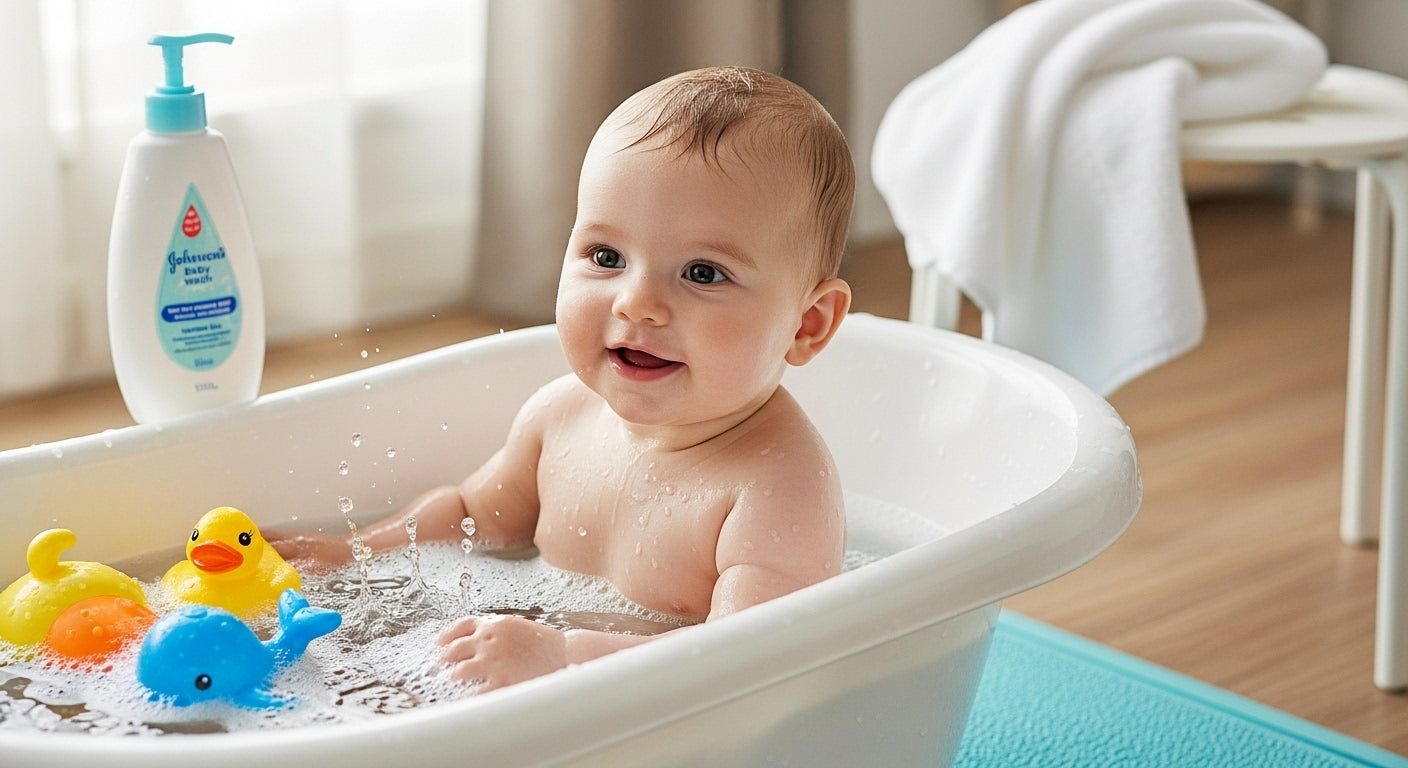
If you are searching for how often should you bathe an infant, the short answer is this: most newborns and young babies do well with about two to three full baths a week, plus daily cleaning of the face, neck folds, hands, and diaper area. Before the umbilical cord stump falls off, stick with sponge baths. Even at 3 months, 5 months, or 6 months, many babies still do not need a full bath every day unless they are especially messy, sweaty, or dealing with spit-up and solids.
What changes bath frequency is not a calendar rule alone. It is your baby's skin, how messy the day was, whether the cord area is healed, whether eczema is flaring, and whether your routine is staying calm and safe. The goal is a baby who is clean, warm, and comfortable - not a perfectly scheduled bath every night.
Key Takeaways
- For many babies, two to three baths a week is enough during the early months, and daily spot cleaning does most of the hygiene work.
- Use sponge baths until the umbilical cord stump falls off and the area looks healed.
- A 3 month old or 5 month old still usually does well with two to three baths a week; a 6 month old may need the same schedule or a slight increase if solids and crawling create more mess.
- Keep baths short, use warm - not hot - water, choose fragrance-free cleansers, and moisturize afterward if skin runs dry.
- Call your pediatrician if the cord area smells bad, drains yellow fluid, looks red or painful, or if your baby has fever, worsening rash, or significant skin cracking.
Quick Answer: How Often Should You Bathe an Infant?
A practical baby bath schedule for most families looks like this:
| Age | Typical full-bath frequency | Bath type | What usually matters most |
|---|---|---|---|
| 0 to 2 weeks | About 1 to 2 times a week | Sponge bath only | Keep the cord stump clean and dry, and clean the diaper area well between baths. |
| 2 weeks to 2 months | About 2 to 3 times a week | Brief tub bath if the cord is healed | Short baths, warm room, mild cleanser only where needed. |
| 3 to 5 months | Usually 2 to 3 times a week | Short tub bath | Increase only if spit-up, drool, heat, or skin folds make spot cleaning harder. |
| Around 6 months | Usually 2 to 3 times a week, sometimes 3 if messes increase | Tub bath | Solids, rolling, and crawling can make cleanup more frequent, but daily full baths still are not required for most babies. |
| 7 to 12 months | Often 2 to 3 times a week, with extra rinse-offs as needed | Tub bath | Mess level and skin tolerance matter more than a fixed "every night" rule. |
This schedule works because babies usually do not get dirty in the same way older children do. Diaper changes, burp cloths, and a quick wipe of the neck, hands, and bottom do a lot of the real cleaning between baths. If your baby's skin is getting dry, flaky, or irritated, that is usually a sign to shorten baths, use less soap, or bathe less often.

Baby Bath Schedule by Age
Searchers often want a direct answer for a specific month, not a generic newborn article. Here are the month-by-month answers parents ask most often.
How Often Should You Bathe a 3 Month Old?
Most 3 month olds still do well with two to three full baths a week. At this age, drool, spit-up, neck-fold milk buildup, and diaper blowouts usually matter more than a strict daily bath routine. If your baby is otherwise clean and the skin looks comfortable, daily full baths are not usually necessary.
How Often Should You Bathe a 5 Month Old?
A 5 month old also usually stays in the two to three baths a week range. You may add a little more cleanup if teething drool is heavy, the weather is hot, or skin folds are collecting moisture. But if the skin is dry or eczema-prone, it is reasonable to stay conservative and rely on spot cleaning between baths.
How Often Should You Bathe a 6 Month Old?
The common question how often to bathe baby 6 months deserves a practical answer: many 6 month olds still do fine with two to three full baths a week. Some families shift toward three baths a week once solids, rolling, crawling, and self-feeding make the baby messier. That does not mean every night is required. Often, a wipe-down after meals plus a normal bath rhythm is enough.
If your baby loves bath time, it is fine to use the tub more often for play and rinsing - but keep soap limited, keep the bath short, and watch for dryness. If the skin starts to look rough, red, or flaky, pull back.
Baby's First Bath at Home and Umbilical Cord Care
Your baby's first bath at home should follow two simple rules: do not rush it, and do not soak the umbilical cord stump. The World Health Organization recommends delaying the very first newborn bath after birth. Once you are home, the usual default is still to use sponge baths until the cord stump falls off and the skin underneath looks healed.
For most babies, the stump falls off in about 1 to 2 weeks, though some take longer. Until then:
- Keep the cord area clean and dry.
- Fold the diaper below the stump so urine does not sit against it.
- Do not pull the stump off yourself.
- Use a sponge bath or damp washcloth cleaning rather than soaking the belly in water.
If you want a fuller walk-through, Mamazing's guide on when to give your newborn the first bath at home is the best companion piece to this article.
Default safe rule: if the cord stump is still attached, looks damp, or has not healed cleanly, use a sponge bath rather than a regular tub bath.
How to Give a Safe Infant Bath
A good infant bath is brief, organized, and calm. The safest routine looks simple because it is simple.

- Get everything ready first. Towel, washcloth, clean diaper, clean clothes, and any cleanser should be within arm's reach before the bath starts.
- Use a warm room. Babies lose heat quickly, especially newborns.
- Keep one hand on your baby at all times. Even a tiny amount of water is not safe if you step away.
- Start with the face and scalp, then move down. Save the diaper area for last.
- Keep the bath short. For many infants, about 5 to 10 minutes is enough.
- Pat dry instead of rubbing. Then moisturize dry areas right away if needed.
If you are still building your newborn routine, Mamazing's guide to newborn care basics for the early weeks fits naturally with this bath schedule.
What to Use in the Bath: Water Temperature, Soap, and Shampoo
Parents often focus on bath frequency but miss the other half of the skin-health equation: what is in the bath and how hot it is.
| Bath detail | Practical target | Why it matters |
|---|---|---|
| Water temperature | Around 100 F / 38 C | Warm enough for comfort, not hot enough to scald delicate skin. |
| Water depth | Shallow; just enough for the bath setup you are using | Safety matters more than soaking. |
| Cleanser | Mild, fragrance-free, used only where needed | Too much soap can dry and irritate infant skin. |
| Shampoo | Mild baby shampoo once or twice a week if hair needs it | Keeps the scalp clean without over-washing. |
| Moisturizer | Fragrance-free, applied after patting mostly dry if the skin runs dry | Helps lock in moisture after the bath. |
A simple inside-of-the-wrist temperature check is useful, but if your hot water runs very hot, adjust the household water heater too. That reduces scald risk outside bath time as well.
Dry Skin, Eczema, and Seasonal Bathing Changes
Parents of babies with dry skin or eczema usually need a more skin-protective routine, not a more aggressive cleansing routine. A reasonable starting point is:
- Keep baths short, usually about 5 to 10 minutes.
- Use warm, not hot, water.
- Use a mild fragrance-free cleanser only on dirty areas.
- Avoid bubble bath and heavily scented products.
- Pat the skin partly dry and apply moisturizer promptly.
That means a baby with eczema does not automatically need a daily soapy bath. Some babies do better with the same two to three baths a week schedule, while others need individualized advice from their pediatrician or dermatologist. The right answer is the one that keeps the skin barrier calmer, not the one that feels most "thorough."
Winter vs. summer changes
In winter, dry air and indoor heating often mean shorter baths, less soap, and heavier moisturizer. In summer, sweat, sunscreen, drool, and outdoor messes may justify an extra rinse or an extra bath some weeks. But even then, you do not need to assume daily bathing is best.
If you are shaping bath time into a predictable evening routine, Mamazing's guide to newborn sleep basics can help you think about what actually calms your baby versus what simply fills the bedtime slot.
When to Ask a Pediatrician
Most bath-frequency questions do not need urgent care. But a few situations should move you from home experimentation to real medical guidance.
- Call promptly about the cord stump if you notice foul-smelling yellow drainage, spreading redness around the base, or obvious pain when the area is touched.
- Call if the stump stays attached well past the usual window or if the belly button keeps oozing after the stump is gone.
- Call about the skin if dryness becomes severe, cracks, bleeds, crusts, or looks infected.
- Call sooner for fever in a young baby, a baby who seems unwell, or a rash that is rapidly worsening.
- Ask for help if bath time is becoming unsafe because your baby screams hard enough to slip from your grip, you feel overwhelmed, or the setup is not working in your space.
That last point matters. A bath routine is only a good routine if it stays physically safe for both the baby and the caregiver.
Frequently Asked Questions
How often should you bathe a newborn?
Most newborns do well with about two to three full baths a week, plus daily cleaning of the face, neck folds, hands, and diaper area. Before the umbilical cord stump falls off, sponge baths are the safer default.
How often should you bathe a 6 month old baby?
Many 6 month olds still do fine with two to three full baths a week. Some families move toward three baths a week when solids, rolling, crawling, or messy play make cleanup harder, but daily full baths usually are not required.
Do babies need sponge baths until the cord falls off?
Yes, that is the usual safe default. Sponge baths help keep the cord area dry until the stump falls off and the skin looks healed.
What temperature should infant bath water be?
Aim for warm bath water around 100 F / 38 C. It should feel warm, not hot, on the inside of your wrist, and the room should be warm enough that your baby does not get chilled.
Should you bathe a baby with eczema every day?
Not automatically. Many babies with eczema do better with short lukewarm baths, limited soap, and prompt moisturizer, but the exact frequency depends on how the skin responds and what your pediatrician or dermatologist recommends.
When should I call a pediatrician about bath-related skin or cord problems?
Call if the cord area has bad-smelling drainage, spreading redness, or pain, or if your baby has fever, rapidly worsening rash, bleeding skin cracks, or skin that looks infected.
Final Takeaway
The best infant bathing schedule is usually simpler than parents expect. For many babies, two to three baths a week is enough through the early months, with sponge baths before the cord falls off and extra wipe-downs on messy days. If you remember only three things, remember these: keep the cord dry until healed, keep the water warm not hot, and let your baby's skin tell you whether the routine is too much.


When Do Babies Say Their First Words? What Is Typical, What Helps, and When to Check In
How to Hold a Baby Properly: Safe Positions and Upright Holds by Age