
- by xiaoyuyang
How to Clean Newborn Tongue: White Coating, Thrush, and Safe Cleaning Tips
- by xiaoyuyang
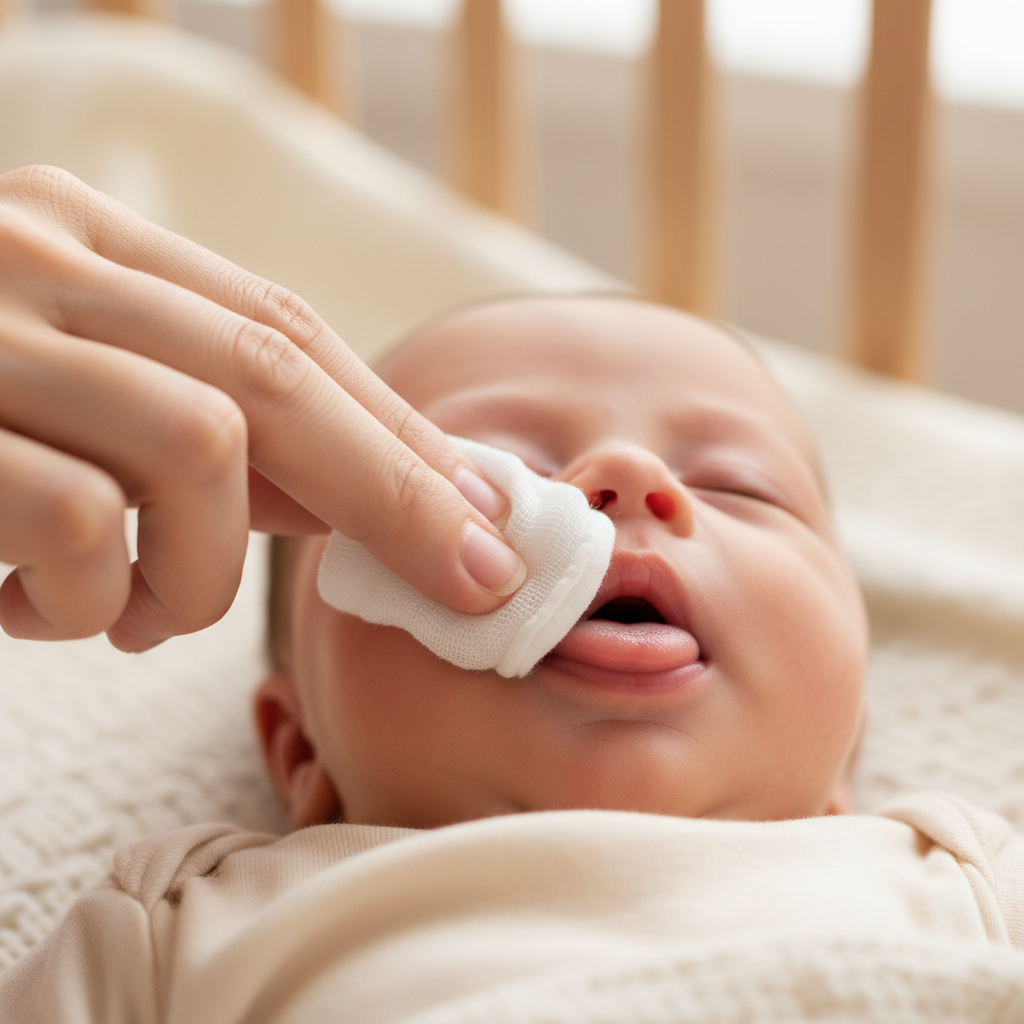
If you are searching for how to clean newborn tongue, the safest short answer is this: many healthy newborns do not need aggressive daily tongue cleaning, but gentle wiping can be helpful when you see milk film, mild residue, or your pediatrician has asked you to clean the mouth more regularly. When you do clean, use clean hands, a soft damp gauze pad or washcloth, and a light sweeping motion instead of rubbing or scraping.
Parents usually worry about the same things: Is the white coating normal? Is it thrush? What is the best baby tongue cleaner? Are home remedies safe? This guide answers those questions in a practical order, with age-based steps, clear do-not-use warnings, and clear signs that it is time to call a pediatrician.
This article is educational support for everyday care. It does not replace medical diagnosis, especially when a baby has pain, poor feeding, bleeding, fever, or white patches that do not wipe away.
For most babies, the safest routine is simple:
If you searched phrases like baby ki tongue kaise saaf kare or bacho ki jeebh kaise saaf kare, the answer is the same: keep the routine gentle, use plain clean water, and do not use strong home remedies or scraping tools.
| Age | What is usually enough | Best tool | What to watch for |
|---|---|---|---|
| 0-1 month | Spot cleaning only when there is visible residue or your clinician advises more routine care | Damp gauze or very soft washcloth | Persistent white patches, feeding pain, bleeding, or strong odor |
| 1-3 months | A few gentle wipes after some feeds if milk film keeps building up | Damp gauze or washcloth | White coating that does not lift, fussiness, mouth soreness |
| 3-6 months | Once a day or as needed if residue, teething drool, or spit-up makes the mouth look coated | Gauze, washcloth, or silicone finger brush if tolerated | Gagging, mouth irritation, white patches spreading to cheeks or gums |
| 6+ months | Shift toward brushing gums and first teeth as part of the oral-care routine | Silicone finger brush or infant toothbrush | Bleeding gums, mouth pain, refusal to feed, persistent coating |
One reason parents get confused is that online advice often sounds more urgent than it should. In real life, tongue cleaning is optional for many healthy newborns. If your baby feeds well, has no thick coating, and the mouth looks comfortable, you may only need gentle spot cleaning now and then.

Cleaning becomes more helpful when:
What you do not need to do is scrub after every feed or try to remove every trace of whiteness. Over-cleaning can irritate the tongue and make feeding time more stressful.
Pick a calm moment, not when your baby is screaming from hunger. Wash your hands, dampen gauze or a soft cloth with clean water, and support the head and neck. Use one or two light sweeps over the front and middle of the tongue. There is no need to reach far back. If your baby starts to gag, stop and try again another time.

A 1 month old baby tongue cleaner does not need to be fancy. Gauze or a soft cloth is usually enough. If you notice coating mainly after milk feeds, clean once after a feed when your baby is calm rather than several times a day. A few gentle passes are safer than repeated rubbing.
Milk residue is common in young babies, especially if feeds are frequent. If the coating wipes away easily and your baby seems comfortable, that usually points to residue rather than infection. This is also the stage when many families are still getting used to feeding routines and spit-up patterns. If you are also troubleshooting early feeding discomfort, Mamazing's complete newborn gas relief guide may help you build a calmer after-feed routine.
As babies drool, mouth toys, and start teething, a silicone finger brush may become easier to use than gauze. Use the same gentle pressure: a light wipe, not a scrub. If your baby resists strongly, go back to a cloth for a few days and try again later.
Once your baby begins solids and first teeth appear, the goal shifts from just wiping the tongue to building an oral-care routine. At this stage, a soft infant toothbrush often makes more sense than repeated tongue-only cleaning. If you are preparing for that transition, Mamazing's guide to finger foods for toddlers can help you think about food texture, mess, and feeding readiness alongside oral hygiene.
Parents often search for tongue cleaning when what they really want is help with a white coating. The big question is whether the coating is simple milk residue or whether it could be oral thrush. This table helps you decide what is more likely, but it does not replace an exam.
| Feature | More like milk residue | More like thrush |
|---|---|---|
| Location | Mostly on the tongue surface | Tongue plus inner cheeks, gums, lips, or palate |
| How it lifts | May wipe away partly or fully with gentle cleaning | Often sticks and may leave a raw-looking area if forced |
| How baby acts | Usually feeds normally and seems comfortable | May fuss during feeds, pull off the breast or bottle, or seem sore |
| What to do | Use a gentle wipe and watch for improvement | Call your pediatrician for diagnosis and treatment guidance |
Do not try to diagnose thrush only by how white the tongue looks. Call sooner if the coating does not improve, spreads through the mouth, bleeds when touched, or comes with poor feeding, diaper rash, or nipple pain in a breastfeeding parent.
Search results for home remedies to clean baby tongue are full of advice, but only a small part of it is gentle enough for infants. The safe standard is simple.
If a remedy sounds strong enough to sting, whiten, or disinfect an adult mouth, it is too strong for an infant mouth.
The phrase best baby tongue cleaner often suggests parents need a special gadget. Usually, they do not. The right tool depends more on age and tolerance than on branding.
| Tool | Best use | Pros | Watch-outs |
|---|---|---|---|
| Soft gauze | Newborns and young infants | Simple, cheap, easy to control | Needs clean hands and light pressure |
| Soft washcloth | Parents who prefer reusable tools | Gentle and easy to wash | Must be very clean and lint-free |
| Silicone finger brush | Older infants, teething stage, early teeth | Easy to transition into gum and tooth care | Can trigger gagging if pushed too far back |
| Infant toothbrush | Once teeth appear | Builds brushing habit | Not needed for deep tongue scrubbing |
Whichever tool you choose, the best sign it is working is that it is gentle, easy to keep clean, and does not make your baby more upset.
Call your pediatrician if:
That same-day call matters more than perfect cleaning technique. If thrush or another mouth problem is present, the right treatment is more important than trying more wipes at home.
No. Many healthy newborns do not need formal tongue cleaning every day. Gentle cleaning is more useful when there is visible residue, odor, or advice from your pediatrician.
Wash your hands, use a clean damp gauze pad or soft cloth, and make one or two gentle sweeps over the front and middle of the tongue. Do not scrape, and stop if your baby gags or becomes upset.
For newborns, clean gauze or a very soft washcloth is usually enough. Older babies may do well with a silicone finger brush, and once teeth appear, an infant toothbrush becomes more useful.
Milk residue usually stays mostly on the tongue and may wipe away. Thrush often looks patchy, sticks more firmly, can spread beyond the tongue, and may come with feeding discomfort or mouth soreness.
Safe home care is usually limited to gentle wiping with clean water and a soft tool. Avoid honey, sweet oil, baking soda rubs, essential oils, lemon, salt, and scraping devices.
Call if the patches do not wipe away, keep coming back, spread inside the mouth, bleed, or seem to make feeding painful. Also call if your baby has fever, dehydration signs, or worsening fussiness.
How to clean tongue of baby should be a gentle, low-force routine, not a battle. For many newborns, tongue cleaning is optional and only needed when residue or symptoms make it useful. When you do clean, keep it simple: clean hands, damp gauze or soft cloth, a few light sweeps, and no harsh home remedies. If white patches look stuck, spread through the mouth, or seem to hurt, stop guessing and call your pediatrician.



Breastfeeding Twins: Best Positions, Schedule, Night Feeds, and Pumping Tips
When to Drop to One Nap: Age, Readiness Signs, and a 2-to-1 Nap Transition Schedule