
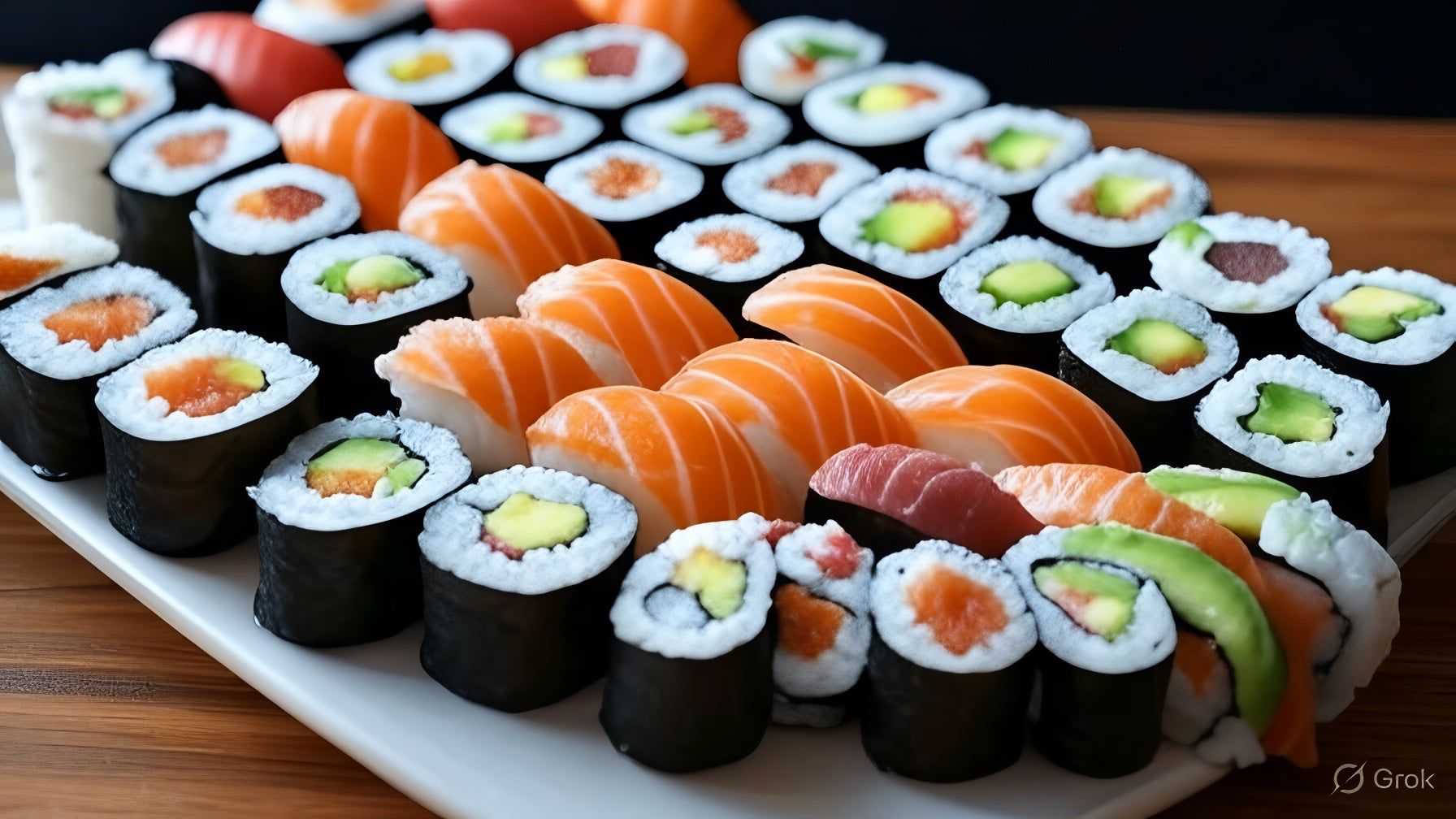
- by Artorias Tse
Can You Eat Sushi While Breastfeeding? Raw Fish, Mercury, and the Safest Orders
- by Artorias Tse
If you are asking whether you can eat sushi while breastfeeding, the most useful short answer is this: yes, you often can, but the safest choice depends on two different issues that get mixed together all the time. One is food safety from raw fish. The other is mercury from certain fish species. If you keep both in mind, sushi does not automatically have to disappear from your menu while nursing.
That is why the better question is not only can you eat sushi while breastfeeding. It is also whether the sushi contains raw fish, whether the fish is a lower-mercury choice, and whether you trust the restaurant's food handling. A salmon roll from a reputable spot is not the same decision as bigeye tuna sashimi from an unknown source, even though both get casually called sushi.
This guide is built around the real search intent behind can i eat sushi while breastfeeding, can i eat raw fish while breastfeeding, can i eat sashimi while breastfeeding, and can i eat raw tuna while breastfeeding. You will get a clear answer first, then a practical breakdown of raw fish versus cooked sushi, safer orders, tuna and mercury, what to do if you already ate it, and when symptoms mean it is time to call your clinician.
The FDA's Advice About Eating Fish says women who are breastfeeding can eat fish as part of a healthy diet, with an emphasis on choosing lower-mercury options. The CDC's Mercury and Breastfeeding page makes the same big-picture point: seafood can be part of a breastfeeding diet, but you should avoid or limit fish higher in mercury.
So the short answer is not never eat sushi. It is:
If you only want one line to remember, use this: sushi can fit into breastfeeding, but the safest orders usually come from lower-mercury fish and careful restaurant choice, while raw tuna and other higher-mercury raw fish deserve more caution.

| Question | Shortest answer | Why it matters |
|---|---|---|
| Can you eat sushi while breastfeeding? | Usually yes | The main filters are raw-fish handling and mercury level. |
| Is cooked sushi easier? | Yes | Cooked fillings reduce the raw-fish food-safety question. |
| Is tuna trickier? | Often yes | Mercury varies by tuna species, so tuna needs more questions than salmon or shrimp. |
| What if you already ate raw fish? | Do not panic | Watch for your own illness symptoms and focus on the actual fish and source involved. |
If you want more breastfeeding diet context beyond sushi alone, Mamazing's guides on shrimp while breastfeeding, spicy food while breastfeeding, and diet for breastfeeding mothers are helpful next reads.
This is the part that causes the most confusion. Raw fish and mercury are not the same issue. Cooked fish can still be high in mercury, and raw fish can be low in mercury but still carry food-safety risk if it is mishandled.
When people search can i eat raw sushi while breastfeeding or can i eat raw fish while breastfeeding, they are usually trying to sort out whether the rules are the same as pregnancy. They are not exactly the same. The concern during breastfeeding is not that every bite of raw fish automatically passes a special danger into breast milk. The more practical concern is whether you could get sick from contaminated seafood, become dehydrated, or feel unwell enough that feeding and recovery become harder.
The CDC's Foodborne and Waterborne Illnesses and Breastfeeding guidance supports that practical framing. In other words, a foodborne illness matters because maternal illness matters, not because breastfeeding itself makes sushi uniquely unsafe in every situation.
That is why cooked sushi is usually the easier answer. If the fish or shellfish is cooked, one layer of uncertainty drops away. You still want to think about the species because of mercury, but you are not stacking raw-fish handling risk on top of that decision. Cooked salmon rolls, shrimp tempura rolls, eel rolls, or California rolls are often easier to feel confident about than sashimi or raw tuna.
Raw fish sits in the more cautious category. Some breastfeeding moms still choose it, especially from restaurants they know and trust. But it deserves a more selective standard. The FDA's seafood safety guidance is a useful reminder here: seafood quality, freshness, storage, and handling all matter. If the restaurant seems vague, sloppy, or unable to tell you what fish it is serving, that is information too.
A simple decision framework helps:
Most breastfeeding food decisions get easier once you stop trying to put sushi into a single safe or unsafe box. A cooked salmon roll from a good restaurant belongs in a very different category from repeated raw tuna meals where the species is unclear.
The best sushi orders while breastfeeding are usually the ones that solve both problems at once: lower mercury and lower food-safety risk. That is why cooked or lower-mercury fish often become the easiest yes orders.
Those are usually easier than raw tuna sushi, mixed sashimi platters, or chef's-choice selections where you do not know the species involved. The goal is not to find a magical risk-free order. It is to choose a meal that feels comfortably inside the lower-stress range.

It also helps to think in terms of repeat habits, not one perfect order. A single lower-mercury sushi meal from a good restaurant is a very different pattern from choosing tuna-heavy raw sushi several times a week. Most breastfeeding diet decisions become easier once you zoom out and ask what your overall seafood pattern looks like instead of treating every meal like a high-stakes test.
If you are ordering from a place you do not know well, choose the order that requires the least guessing. That often means cooked fillings, named species, and simpler rolls. If you need to ask only one question, ask what fish is actually being used. That one answer can tell you a lot about both the restaurant and the order.
Tuna is where many breastfeeding moms get stuck, and for good reason. Tuna is not one single mercury category. Different tuna species can have very different mercury levels, which is why the FDA's fish advice and Q&A pages are so useful for sorting out the nuance.
The main takeaway is this:
This is also why raw tuna sushi tends to feel riskier than raw salmon sushi for many families. It is not only rawness. It is rawness plus a fish category that can be trickier on mercury. If you are craving tuna specifically, asking what kind of tuna is being used is not overthinking. It is the difference between a vague worry and a real decision.
The CDC's mercury guidance for breastfeeding is helpful here because it brings the conversation back to pattern. One isolated tuna order is not the same thing as repeated higher-mercury exposure over time. What matters most is the overall habit: what fish you choose most often, how often you eat it, and whether you are routinely drifting toward the fish categories that official guidance treats more cautiously.
When in doubt, think in tiers. Low-mercury fish such as salmon and shrimp are the easiest routine choices. Tuna is the slow down and ask more questions category. And any fish already on the FDA Choices to Avoid list belongs in the clear no column.
Sashimi: this is usually the most obvious raw-fish choice, so the food-safety question becomes front and center. If you trust the restaurant and the fish is a lower-mercury species, some breastfeeding moms will still choose it. But if you want the lower-stress option, this is one of the first places to switch to cooked fish instead.
Poke: poke often uses raw fish too, so the same two-question framework applies. What fish is it, and how much do you trust the preparation? A salmon poke bowl and a tuna poke bowl are not the same mercury conversation, and a reputable spot is not the same as a random convenience-style bowl.
Raw salmon: when moms search can i eat raw salmon while breastfeeding, they are often looking for a more specific answer than a broad sushi article gives them. Raw salmon is usually easier to work into a breastfeeding diet than raw tuna because salmon is generally a lower-mercury fish. But raw salmon is still raw fish, so restaurant quality and handling standards still matter.
Imitation crab: this is often one of the easiest sushi-adjacent ingredients while breastfeeding because it is cooked and is commonly made from fish such as pollock. That does not make every imitation-crab roll automatically nutritious, but from a raw-fish-versus-cooked perspective, it is usually one of the simpler calls.
If the menu leaves too much unclear, keep the decision boring. Boring is underrated when you are tired, hungry, and trying to make a smart food choice quickly. A simple cooked roll that you understand is usually better than a specialty roll full of unknowns.
First, do not panic. Most moms who find this question after the fact are not looking for theory. They are trying to answer: I already ate sushi while breastfeeding. Did I do something wrong? In many cases, the most accurate answer is no, you probably do not need to panic.
Ask yourself these practical questions instead:
If the answer is mostly yes, that is usually more reassuring than your anxiety is telling you in the moment. One sushi meal is not the same as a long pattern of repeated high-mercury intake.
If you are worried because you ate raw tuna, raw fish from a questionable source, or a fish you later learned may be higher in mercury, focus on what is actionable now. Watch yourself for signs of foodborne illness, stay hydrated, and be more selective about the next order rather than spiraling over a meal that has already happened.
The most common mistake after an anxiety-triggering meal is to assume the baby has already been directly harmed through breast milk. The official guidance above does not support that kind of panic framing. The more practical concern is whether you become sick, dehydrated, or repeatedly exposed to high-mercury fish over time.
Call your clinician if:
Most of the time, the question is not whether you need to stop breastfeeding after sushi. It is whether your own symptoms or exposure pattern deserve follow-up. If you become ill, protecting your hydration and getting the right care matters most.
You often can, but raw fish hygiene matters more than with cooked sushi. If you want the lower-stress option, cooked sushi or lower-mercury fish from a trusted restaurant is usually easier to feel confident about.
Some breastfeeding moms do, but sashimi keeps the raw-fish safety question front and center. The safest decision depends on the fish species and how much you trust the source.
Salmon is generally one of the easier sushi choices while breastfeeding because it is usually treated as a lower-mercury fish than many tuna options. Cooked salmon is the more cautious pick, while raw salmon depends more on restaurant quality and handling.
Tuna is trickier because mercury varies by species. Tuna is not an automatic no, but it deserves more caution and more questions than salmon or shrimp.
Do not panic. In most cases, the practical next step is to watch for your own foodborne illness symptoms, stay hydrated, and make more careful choices next time rather than assuming one meal automatically harmed your baby.
Yes, but poke follows the same rules as sushi: the fish species and the handling standards matter. Salmon poke is a different decision from tuna poke, and reputable preparation matters a lot when the fish is raw.
If you have been asking can you eat sushi while breastfeeding, the best answer is yes, often you can, but the smartest choice depends on two filters: food safety for raw fish and mercury level for the fish itself.
The easiest orders are usually lower-mercury fish and cooked sushi from places you trust. The trickier choices are raw tuna and other fish where mercury or handling becomes less clear. And if you already ate sushi, the most helpful response is usually to focus on what you actually ate and how you feel, not to assume the worst.
That is the real goal here: not perfect eating, but clearer decision-making. If you know which sushi choices are easier, which ones deserve more caution, and when symptoms matter, you can enjoy the meal with a lot less anxiety.



How to Put a Baby to Sleep Quickly: What to Do if Your Baby Won't Sleep at 1, 2, or 3 Months
Why Is My Baby Breathing Fast While Sleeping? What's Normal by Age and When to Worry