
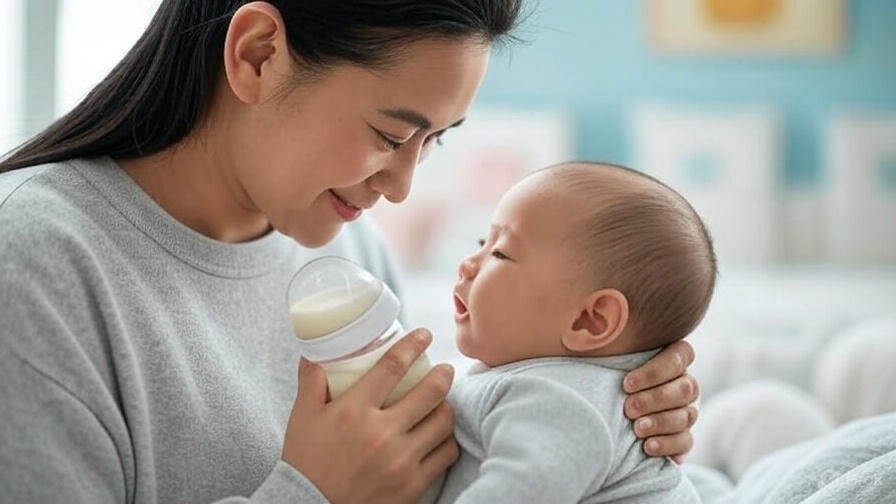
If you are standing in the kitchen at 2 a.m. wondering whether you can hand your baby a bottle of cold breast milk straight from the fridge, you are asking a very normal new-parent question. The short answer is reassuring: yes, many healthy babies can drink cold breast milk if it has been stored safely.
That does not mean every bottle situation follows the same rule. Parents usually need three answers, not one: Can babies drink cold breast milk? Can babies drink room temperature breast milk? And do you ever need to warm it? According to the CDC's breast milk storage and preparation guidance, breast milk does not need to be warmed and can be served room temperature or cold. The NHS also says expressed milk can be fed straight from the fridge if your baby is happy to take it.
This guide is built around the real search questions behind can babies drink cold breast milk, can newborn babies drink cold breast milk, can babies drink breast milk straight from fridge, can babies drink room temp breast milk, and can cold breast milk cause colic. You will get a clear quick answer first, then the practical differences between breast milk and formula, how long milk can safely stay out, when warming actually helps, and what to do if your baby seems fussier with colder bottles.
Key Takeaways
- Healthy babies can usually drink expressed breast milk cold, room temperature, or warmed as long as it has been stored safely.
- Breast milk does not need to be warmed before feeding, and infant formula does not need to be warmed either.
- The bigger safety issue is not temperature preference. It is storage time, fridge handling, and how long leftovers sit after a feed starts.
- Cold milk is not usually treated as a standard cause of gas or colic in major feeding guidance, though individual babies may have preferences.
- Special cases such as premature babies, NICU discharge plans, or feeding problems should follow your pediatrician or hospital team's instructions.
Quick Answer: Can Babies Drink Cold Breast Milk?
Yes. For most healthy babies, cold breast milk is safe when it has been expressed, stored, and handled correctly. The CDC says breast milk can be served room temperature or cold, and the NHS says you can feed expressed milk straight from the fridge if your baby will take it.
That means the decision to warm milk is usually about preference, not a basic safety rule. Some babies happily take a cold bottle from day one. Others clearly prefer it warmed closer to body temperature, especially if they are used to feeding directly at the breast. Both reactions can be normal.
| Milk situation | Can baby drink it this way? | Main thing to remember |
|---|---|---|
| Breast milk straight from the fridge | Usually yes | Storage safety matters more than warming |
| Breast milk at room temperature | Usually yes | Stay inside the correct room-temperature time limits |
| Warmed breast milk | Yes | Warm gently; do not microwave; use leftovers promptly |
| Infant formula served cold or room temp | Usually yes | Formula does not need warming, but storage rules differ from breast milk |
| Frozen milk that is still icy | No | Thaw it first; do not serve it frozen |

If you only need the fastest practical answer, use this rule: cold is usually fine, unsafe handling is not. Most of the mistakes parents need to avoid involve timing, leftovers, or reheating methods, not the fact that the milk is chilly.
That is also why this question shows up so often during night feeds and daycare prep. Parents are trying to save time without doing something risky. In most healthy babies, using safely stored cold breast milk is one of those places where convenience and safety can actually line up.
If your baby is growing well, feeding normally, and your milk-handling routine is solid, bottle temperature is often a much smaller issue than tired parents expect at first, especially at home for most families.
Breast Milk vs Formula: What Is the Same and What Is Different?
One reason this topic gets confusing is that parents often search for breast milk and formula in the same session. The temperature question overlaps, but the handling rules are not identical.
The CDC's formula preparation and storage page says infant formula does not need to be warmed before feeding. So if your baby takes formula, you do not have to heat it just because it seems "more gentle." But formula safety timing is different from breast milk timing, especially once a feed starts.
| Question | Breast milk | Formula |
|---|---|---|
| Does it need warming? | No | No |
| Can it be served cold? | Yes, if stored safely | Yes, if prepared and stored safely |
| How long can unused refrigerated milk last? | CDC says up to 4 days in the fridge | CDC says prepared formula can be refrigerated and used within 24 hours |
| What about leftovers after feeding starts? | Use leftover breast milk within 2 hours | Discard formula within 1 hour after feeding begins |
That distinction matters because some parents assume that if breast milk can sit a certain way, formula can too. It cannot. If you use both, keep the handling rules mentally separate.
Cold, Room Temperature, or Warm: Does the Temperature Matter?
For most healthy babies, the answer is less dramatic than social media makes it sound. Major feeding guidance focuses on safe preparation and storage, not on a rule that says milk must be warmed to protect digestion. In other words, temperature is usually a preference question, not a safety question.
That said, preference still matters in real life. Babies who usually nurse directly may prefer a warmer bottle because it feels more familiar. Babies used to daycare bottles may take cold milk without caring at all. Some families find cold bottles easiest during night feeds because there is less waiting and less chance of overheating milk.

If your baby takes cold milk easily, there is no need to create extra work. If your baby refuses a cold bottle, warming may help with acceptance even though it is not medically necessary. This is where many parents get stuck: optional is not the same as useless. Warming can be helpful for preference, but it is not a universal requirement.
Can Cold Breast Milk Cause Gas, Colic, or an Upset Stomach?
This is one of the strongest opportunity clusters in GSC, and it is where parents want the blunt answer. The cautious, evidence-aligned version is this: major guidance from CDC, NHS, and AAP-style pediatric feeding resources allows cold breast milk, which is one reason cold temperature itself is not usually treated as a standard digestive danger.
That does not mean every baby reacts the same way to every bottle. If your baby seems fussier after feeds, the more useful questions are often:
- Is the baby gulping quickly and swallowing extra air?
- Is the bottle nipple flow too fast?
- Is the baby already in a gassy or colicky phase unrelated to temperature?
- Are you trying larger bottles than your baby handles comfortably?
So if you are searching does cold breast milk cause gas or can cold breast milk cause colic, it is more accurate to say that cold milk is not usually the first suspect. If you are troubleshooting feeding fussiness, Mamazing's newborn gas relief guide and overfeeding guide are more likely to help than endlessly changing bottle temperature alone.
This is an inference from official feeding guidance rather than a direct "cold milk does not cause colic" statement from a major agency. If your baby has repeated vomiting, blood in spit-up, poor feeding, or weight concerns, call your pediatrician rather than assuming the bottle temperature is the issue.
How Long Can Pumped Milk Stay Out, Stay Cold, and Be Reused?
For many parents, this is the real safety section. Temperature choice is one thing, but storage timing is where mistakes are more likely to happen.
CDC says freshly expressed breast milk can stay at room temperature for up to 4 hours. Refrigerated breast milk is best used within 4 days. Once breast milk is brought to room temperature or warmed, use it within 2 hours. If your baby did not finish the bottle, leftover breast milk should be used within 2 hours after the feed.

The NHS uses a slightly different refrigerator window in some guidance when fridge temperature is reliably cold enough, but if you want the simpler, more conservative rule to follow at home, CDC's 4-hour / 4-day approach is easy to remember and parent-friendly.
Fast reference table
| Situation | Breast milk | Formula |
|---|---|---|
| Fresh at room temperature | Up to 4 hours | Use promptly; once prepared, follow formula timing rules closely |
| Refrigerated and not yet served | Up to 4 days | Prepared formula up to 24 hours |
| Warmed or brought fully to room temp | Use within 2 hours | Use within 2 hours if not yet fed |
| After baby starts drinking | Use leftovers within 2 hours | Discard within 1 hour |
If this is where your stress lives, focus on labeling milk, using the oldest milk first, and not reusing questionable leftovers just to avoid waste. Safety beats saving two ounces.
When Warming Milk Actually Makes Sense
Warming is optional, but that does not mean it never helps. There are practical reasons some parents still choose it:
- Your baby refuses cold bottles: If a colder bottle turns a calm feed into a fight, warming may simply make life easier.
- The fat has separated: Refrigerated breast milk often separates. Gentle swirling helps, and some parents find slightly warming the bottle makes mixing and acceptance easier.
- You are transitioning from direct breastfeeding to bottles: A warmer bottle can feel more familiar during that adjustment.
- Your clinician gave special instructions: Premature babies or babies with medical issues may have individualized feeding plans.
If you do warm milk, use warm water rather than a microwave. CDC, NHS, and HealthyChildren all warn against microwaving because it can create dangerous hot spots. If bottle temperature is something you think about a lot, Mamazing's guide to bottle heating temperature is a helpful next read.
How to Serve Cold Breast Milk Safely
Serving cold milk safely is simple, but simple is not the same as sloppy. A consistent routine prevents the most common mistakes.
- Check storage timing first. Make sure the milk is still inside its safe fridge or room-temperature window.
- Swirl, do not shake aggressively. Refrigerated breast milk often separates. Gentle swirling helps recombine the fat.
- Offer a smaller bottle if you are testing preference. This avoids waste if your baby decides they hate cold milk after two sips.
- Watch the baby, not internet myths. If your baby drinks well and seems comfortable, the bottle temperature is probably fine.
- Track leftovers correctly. The post-feed clock matters just as much as the pre-feed clock.
If you are pumping regularly and trying to make bottle feeds smoother overall, Mamazing's milk supply guide may also help if part of the stress is not just bottle temperature but feeding logistics in general.
What if your baby refuses cold bottles?
A refusal does not mean cold milk is unsafe. It usually means your baby has a preference. If your baby drinks warm bottles happily but pushes away chilled ones, try a gradual transition instead of switching all at once.
- Start with the milk slightly cool rather than straight-from-the-fridge cold.
- Offer the test bottle at a calm feed, not when your baby is already overtired and upset.
- Use a smaller amount first so you do not waste a full bottle.
- Keep the bottle nipple, feeding position, and pace familiar so temperature is the only variable you are changing.
This matters because many parents end up searching things like when to stop warming milk when the real question is simply whether their baby is willing to switch. Some babies never care. Others care for a while and then stop caring. The practical goal is not to win a temperature battle. It is to find the lowest-effort feeding routine your baby handles comfortably and safely.
Special Cases: Premature Babies, NICU Babies, and Feeding Trouble
This article is mainly for healthy babies at home. If your baby was premature, recently discharged from the NICU, has swallowing issues, poor weight gain, frequent vomiting, or another medical concern, follow your pediatrician's or hospital team's instructions first.
That is not because cold milk is automatically dangerous in those situations. It is because special feeding plans are often individualized. Babies with medical needs are one of the few times when the right answer may genuinely be different from the standard parent-facing guidance.
FAQ
Can newborn babies drink cold breast milk?
Usually yes, if the milk has been stored safely and your baby is otherwise healthy. Many healthy newborns can take expressed breast milk cold, room temperature, or warmed, though some prefer one temperature over another.
Can babies drink breast milk straight from the fridge?
Yes. CDC and NHS guidance both allow expressed breast milk to be fed cold from the fridge. Warming is optional, not required, unless your baby clearly prefers it or your care team has given different instructions.
Can cold breast milk cause gas or colic?
Cold milk is not usually treated as a standard cause of gas or colic in major feeding guidance. If your baby seems fussier after bottles, it is often more useful to look at feeding pace, swallowed air, bottle flow, overfeeding, or a separate digestive issue than to assume the milk temperature is the problem.
Can babies drink room temperature breast milk?
Yes, but the milk still has to stay within safe storage limits. Freshly expressed breast milk can stay at room temperature for a limited time, while previously chilled or warmed milk has different timing rules.
How long can pumped breast milk stay out?
CDC says freshly expressed breast milk can stay at room temperature for up to 4 hours. Once breast milk is warmed or brought fully to room temperature, use it within 2 hours.
Do you have to warm breast milk or formula before feeding?
No. Breast milk can be served cold, room temperature, or warmed, and infant formula does not need to be warmed either. Warming is mainly about preference and comfort, not a general safety requirement.
Final Takeaway
Yes, babies can usually drink cold breast milk. For most healthy infants, the bigger issue is not whether the bottle is cold, warm, or room temperature. It is whether the milk was stored safely, offered inside the right time window, and handled in a way that reduces waste and confusion.
If your baby takes cold milk easily, you do not need to warm it just because someone online said you should. If your baby clearly prefers warmer bottles, that is fine too. Safe feeding is often less about chasing a perfect temperature and more about following good storage rules and paying attention to your own baby.
Why Bottle Heating Temperature Matters for Infants
How to Put a Baby to Sleep Quickly: What to Do if Your Baby Won't Sleep at 1, 2, or 3 Months