
- by EthanParker
Can Pregnant Women Drink Wine? Why No Amount Is Considered Safe
- by EthanParker
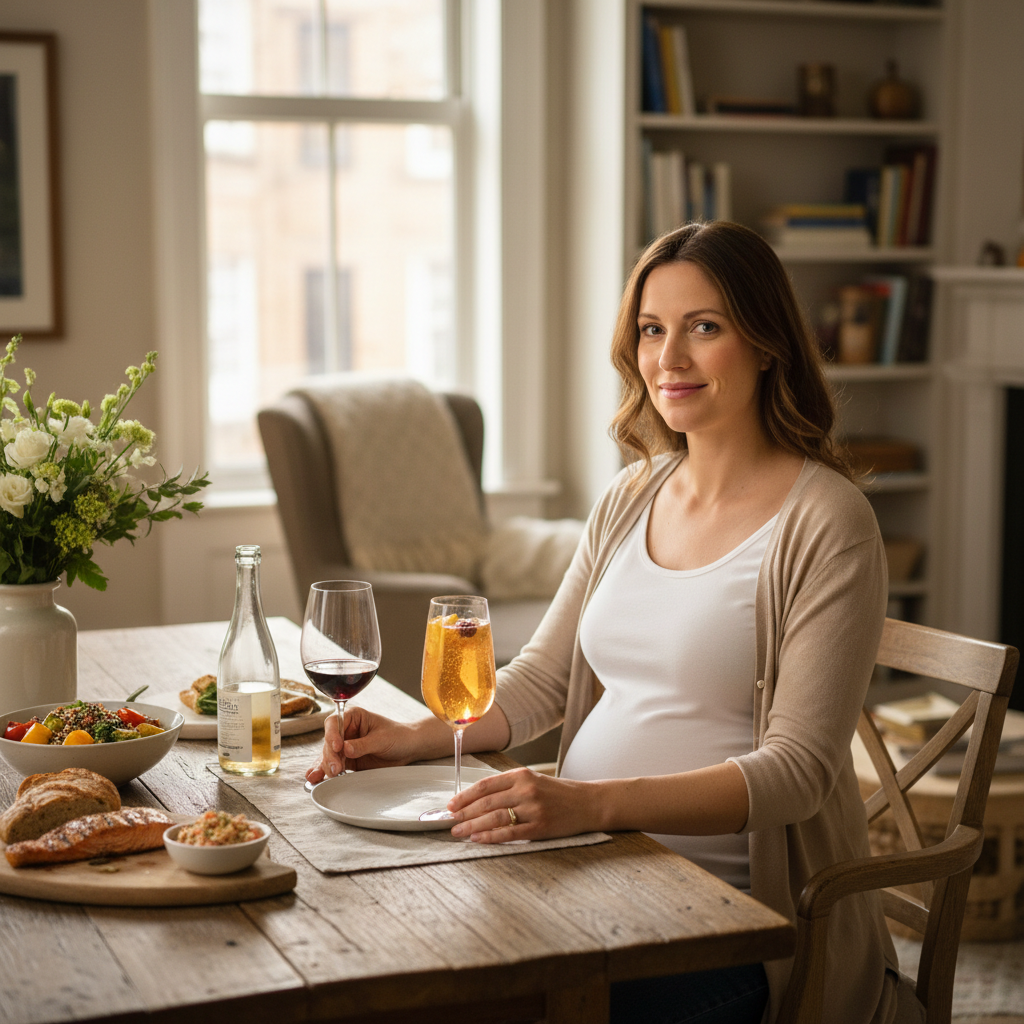
If you are asking whether you can drink wine while pregnant, the clearest evidence-based answer is no. The CDC says there is no known safe amount of alcohol during pregnancy, no safe time to drink, and all types of alcohol can be harmful, including red wine, white wine, champagne, beer, and liquor. The practical takeaway: if you are pregnant, planning pregnancy, or wondering whether one glass is okay, the lowest-risk choice is to skip wine altogether.
That blunt answer does not erase the real questions behind the search. You may be thinking: what about one small glass, what about the first trimester, what if you drank before you knew, and do alcohol-removed bottles count? At Mamazing, we want to help you move from panic or mixed advice to a calm decision you can actually use. This guide puts the direct answer first, then walks through the situations people ask about most often.
Quick answer: You should not drink wine while pregnant. If you already drank before realizing you were pregnant, stop now, bring it up at your next prenatal visit, and focus on the steps that support a healthy pregnancy from this point forward.
| Question | Best short answer | Why |
|---|---|---|
| Can I have one glass of wine? | No | There is no known safe amount of alcohol during pregnancy. |
| Is first trimester different? | No | CDC guidance says there is no safe time to drink during pregnancy. |
| What if I drank before I knew? | Stop now and tell your clinician | Stopping at any point still matters and helps reduce further exposure. |
| Is red wine safer? | No | Wine type does not change the core risk from ethanol exposure. |
| Is alcohol-removed wine always okay? | Not always | Some products can still contain trace alcohol, so labels matter. |
| Does cooking with wine make it safe? | Not automatically | Alcohol loss depends on the recipe and cooking method. |
This is the question most people really mean when they ask, “Can pregnant women drink wine?” They are not usually planning heavy drinking. They are asking whether one wedding toast, one small pour with dinner, or one holiday glass counts as harmless. The problem is that research has not established a safe threshold that works for every pregnancy, which is why public-health guidance stays conservative.
ACOG advises that it is safest not to drink at all while pregnant, and its patient guidance notes that alcohol-related problems can happen with lesser amounts of alcohol use, not only heavy drinking. The CDC goes a step further and says there is no known safe amount. That is why an occasional glass is not treated as a proven exception.
If you want a useful mental model, think in terms of uncertainty rather than guilt. The issue is not that every sip causes obvious harm. The issue is that neither you nor your doctor can point to a specific amount of wine and say, with confidence, “This is safe for every fetus in every trimester.” When the benefit is mostly social or sensory, and the downside is avoidable uncertainty, skipping the glass is the smarter trade.

Many readers hope there is one safer window: maybe before the placenta fully develops, after the first trimester, or once the baby is mostly formed. Current guidance does not support that idea. CDC guidance says there is no safe time to drink during pregnancy, and the reason is simple: your baby’s brain and body are developing across the whole pregnancy, not only in one narrow phase.
The first trimester creates the most anxiety because many people drink before they know they are pregnant. CDC notes that alcohol use in the first three months can affect facial development, while growth and central nervous system problems can happen any time during pregnancy. That is why first-trimester drinking is not treated as harmless just because the pregnancy is early.
Some people assume later pregnancy is less sensitive because the pregnancy is already established. But the NHS also recommends avoiding alcohol throughout pregnancy and explains that alcohol passes through the placenta to the baby, whose liver is not fully developed. In other words, moving into the second or third trimester does not create a green light for wine.
If you are looking for one rule to remember, make it this: no trimester is the “safe wine trimester.” What changes by trimester is the kind of worry people bring to the question, not the official advice.

This is often the most emotionally loaded scenario because it mixes fear, hindsight, and a strong urge to know exactly what happens next. The best next step is not spiraling through worst-case stories. It is acting on the part you can control.
CDC guidance says it is never too late to stop alcohol use during pregnancy. The NHS similarly says that women who drank in early pregnancy before knowing they were pregnant should avoid further drinking and should not worry unnecessarily, because many babies will not be affected and the immediate priority is preventing continued exposure.
What to do now:
If you are early in pregnancy and feeling nauseated or depleted, support your body in practical ways. Mamazing’s guide to foods that fight nausea during pregnancy can help you build easier first-trimester routines while you get back on steady ground.
The key distinction is this: “I already drank before I knew” is not the same question as “Is it okay to keep drinking now?” The answer to the second question is still no.
A lot of confusion comes from hearing soft, conversational versions of the guidance. When you look at the original sources, the message is more direct than many people expect.
| Source | What it says in plain English | Why it matters |
|---|---|---|
| CDC | No known safe amount and no safe time during pregnancy | Strong public-health answer for the core question |
| ACOG | Safest not to drink at all while pregnant | Direct patient guidance from OB-GYN specialists |
| NIAAA | Prenatal alcohol exposure can contribute to lifelong problems grouped as FASD | Useful for understanding why even “small” questions are taken seriously |
| NHS | Do not drink if you are pregnant or planning pregnancy | Confirms the same advice across another major public-health system |
NIAAA explains that fetal alcohol spectrum disorders affect an estimated 1% to 5% of U.S. first-grade children and that prenatal alcohol exposure can interfere with development of the brain and other organs. That statistic is not there to scare you; it helps explain why medical groups do not frame wine as a harmless indulgence.

One more detail matters for searchers looking for an “official statement.” CDC explicitly says all types of alcohol can be harmful, including red or white wine. So if you are comparing wine with other drinks, you are comparing different packaging of the same core exposure.
No. Different drinks may have different serving sizes or alcohol concentrations, but the relevant issue in pregnancy is ethanol exposure. That is why the “but it is only wine” argument does not change the recommendation.
Red wine sometimes gets a health halo because people associate it with antioxidants. That logic does not carry over to pregnancy. Any nutrients or plant compounds you hoped to get from wine can be found in safer places such as grapes, berries, tart cherry drinks, or other nonalcoholic foods and beverages. Champagne feels lighter because it is celebratory and often served in small pours, but the celebratory setting does not make it safer. Beer and cider fall into the same category.
If your real question is whether a certain drink is gentler, the better question is whether it contains alcohol at all. For pregnancy, that line matters more than whether the bottle says cabernet, prosecco, beer, or sangria.
This is where the label matters. Some bottles are truly alcohol-free. Others are dealcoholized or alcohol-removed, which sounds similar but is not identical from a labeling standpoint. FDA guidance says dealcoholized or alcohol-removed wine should declare that it contains less than 0.5 percent alcohol by volume, and it also says that “non-alcoholic” and “alcohol-free” are not the same term in labeling.
For malt beverages, TTB says “non-alcoholic” can mean less than 0.5 percent alcohol by volume, while “alcohol free” may be used only for products containing no alcohol. Wine labeling rules and beer labeling rules are not identical, but the practical pregnancy lesson is the same: do not assume the front label tells the whole story.

| Label wording | What to do in pregnancy |
|---|---|
| Alcohol-free / 0.0% | Usually the simplest option if you want the ritual without ethanol, but still read the ingredient label. |
| Dealcoholized / alcohol-removed / non-alcoholic | Read the ABV statement carefully before buying, because these terms may still involve trace alcohol. |
| No clear ABV listed | Skip it and choose a fully labeled alternative. |
If you are using these drinks mainly to replace the nightly wine habit, build a replacement that feels satisfying rather than punitive. Sparkling water with citrus, a stemmed glass with chilled tart cherry juice, or a true 0.0% option can give you the ritual without the second-guessing. If pregnancy nausea is part of the reason you feel off in the evening, you may also find relief strategies in Mamazing’s third trimester nausea guide.
This question deserves its own answer because many people are not asking about drinking at all. They are asking about pan sauces, risotto, braised dishes, restaurant reductions, and food cooked with wine in the first trimester or later in pregnancy.
The common myth is that heat solves everything. The reality is more nuanced. USDA retention guidance includes alcohol retention factors for different cooking methods, which means alcohol loss depends on how the food is prepared and how long it cooks. In plain language: cooking with wine does not automatically make a dish alcohol-free.
That does not mean every wine sauce creates the same exposure as drinking a glass. It means you should not rely on the phrase “the alcohol cooks off” as a blanket pregnancy rule. If you want the lowest-risk choice, especially when you are cooking at home, replace wine with ingredients that deliver acidity or depth without ethanol.

If you are trying to make everyday pregnancy choices feel less restrictive, it can help to focus on what you can still enjoy. Gentle movement, a comforting evening drink, and a more predictable routine often do more for relaxation than a symbolic glass of wine. Mamazing’s guide to swimming while pregnant is one example of a low-stress habit that can support sleep, mood, and body comfort without adding another risk question to your plate.
You do not need to call in a panic because you had a sip at a toast two months ago and just remembered it. You should call or bring it up promptly if you have been drinking regularly, if you are unsure how much you had during early pregnancy, or if stopping feels harder than you expected. The goal is not judgment. It is getting accurate guidance for your situation.
CDC also points readers who cannot stop drinking to treatment resources, which is an important reminder that difficulty stopping is a health issue, not a character flaw. If that is your situation, mention it directly at your prenatal appointment. Getting support early protects both you and your baby.
Most readers, though, simply want a rule they can trust. Here it is: if the drink contains alcohol, skip it during pregnancy. If you already drank, stop now and tell your clinician. If the bottle claims to be non-alcoholic, read the label carefully and favor clearly alcohol-free options. That framework is simple, evidence-based, and easier to live with than constant mental bargaining.
No. Major medical guidance does not identify one glass of wine as safe during pregnancy, so the safest choice is to skip it entirely and choose an alcohol-free option instead.
If it already happened, stop drinking now and tell your prenatal clinician what and when you drank. CDC and NHS guidance both emphasize that stopping now still helps, and many people who drank before a positive test go on to have healthy pregnancies.
No. Red wine, white wine, champagne, beer, and spirits all contain ethanol, and CDC says all types of alcohol can be harmful during pregnancy.
Only treat it as a possible option after reading the label carefully. FDA labeling guidance says dealcoholized or alcohol-removed wine may still contain less than 0.5 percent alcohol by volume, while alcohol-free means no detectable alcohol.
Cooking with wine is not automatically alcohol-free. USDA retention guidance shows alcohol loss depends on the method and cooking time, so if you want the lowest-risk choice during pregnancy, use broth, grape juice, pomegranate juice, or vinegar-based substitutes instead.
ACOG says it is safest not to drink at all while pregnant, and CDC says there is no known safe amount and no safe time to drink during pregnancy.
If you came here wanting a loophole, the honest answer is that medical guidance does not offer one. Can pregnant women drink wine? No. Not one glass as a recommended exception, not red wine as the “better” choice, and not later in pregnancy as a safer phase. The clearest path is to avoid alcohol, read labels carefully on wine alternatives, and talk with your clinician if you already drank or need support stopping.
Mamazing is here to help you make pregnancy decisions with less noise and more clarity. When a rule is this simple, you do not need to white-knuckle it. You just need a few reliable swaps, a realistic plan for social situations, and the confidence to choose what protects your baby with the least uncertainty.
If you want more practical, judgment-free pregnancy guidance, explore Mamazing’s articles on nausea, daily comfort, and trimester-specific wellness so your choices feel easier, not smaller.



How to Teach Preschoolers to Read: A Complete Parent's Guide
Getting Pregnant After 40: Chances, Fertility Tests, IVF Options, and What to Do Next