
- by Artorias Tse
How to Choose Sustainable Baby Gear Without Compromising Quality
- by Artorias Tse
If you are trying to choose sustainable baby gear without compromising quality, the biggest mindset shift is this: do not shop for "perfectly green" products first. Shop for the products your family will use the most, then look for the versions that are safer, longer-lasting, easier to maintain, and less wasteful over time.
That usually means asking better questions before you buy. What is it made from? Will it survive daily use? Can it grow with your child or be reused for another baby? Is the brand clear about materials and replacement parts? Will this still work for your apartment, car trunk, travel routine, and budget six months from now?
The original version of this article had the right instinct but not enough decision support. This rewrite keeps the useful sustainability pillars and turns them into a more practical guide for real families. You do not need to buy everything new, premium, or labeled eco-conscious. You just need a smarter filter.
Truly sustainable baby gear is safe enough for daily contact, durable enough to avoid early replacement, practical enough to keep using, and transparent enough that you can understand what you are actually buying. Sustainability is not just about one recycled fabric panel or a "green" product page. It is about whether the product creates less waste across its full life in your home.
| Check | Good sign | Red flag |
|---|---|---|
| Materials | Specific materials, low-tox proof, washable | "Eco" claims with no details |
| Durability | Strong frame, solid seams, replaceable parts | Feels disposable or flimsy |
| Everyday fit | Easy to store, clean, carry, and reuse | Too bulky or hard to maintain |
| Lifecycle | Repairable, reusable, resellable | One-child use only |
| Transparency | Clear sourcing, care, and lifespan info | Pretty language, few facts |
A sustainable baby gear checklist should make you more practical, not more overwhelmed. If a product is slightly less "perfect" on paper but lasts for years, cleans easily, and fits your family's daily routine, that can be the better sustainability choice.
If your budget is limited, start with the products that take the most wear: usually the stroller, carrier, feeding chair, crib, or changing setup. These high-use items have the biggest opportunity to reduce waste because they are the items families often replace too soon when the original choice does not hold up.
For example, if you are comparing stroller options, durability and weight matter as much as recycled inputs. A stroller that folds easily, fits your daily route, and still works after repeated travel is usually a stronger sustainability choice than one that sounds eco-conscious but becomes frustrating and underused. Mamazing's related guides on how to choose a baby stroller and carbon fiber strollers are useful if your main concern is balancing lightweight portability with long-term durability.
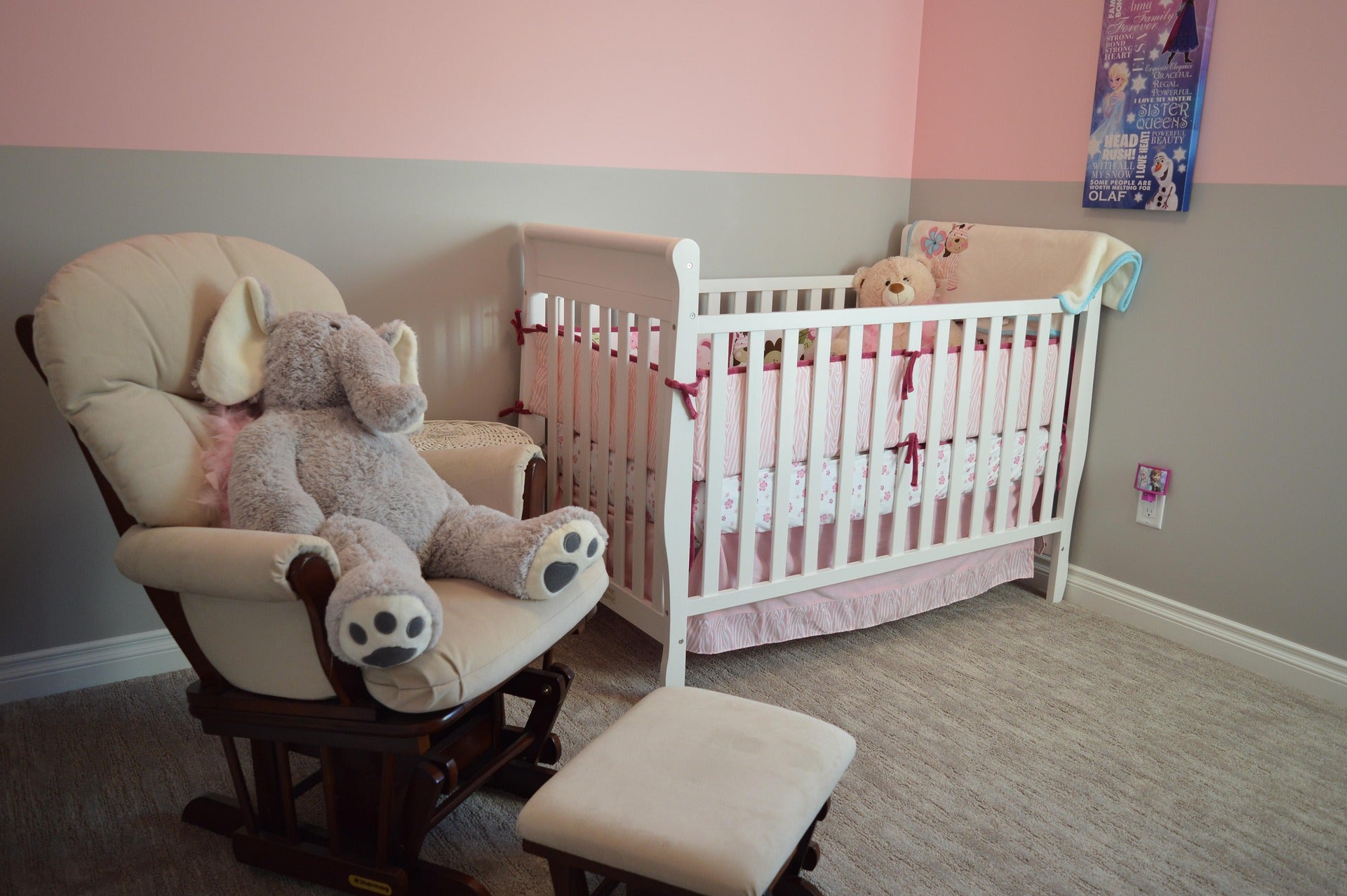
The same logic applies to nursery seating. A nursing or nursery chair may stay in your home for years, so washable fabric, a frame that still feels solid after daily rocking, and a design that can outlast the newborn stage matter more than a polished sustainability paragraph on a sales page. If that is your next purchase, Mamazing's guide to choosing a comfortable nursing chair can help you compare comfort, support, and longevity.
Materials are where many families begin, and that makes sense. Baby gear touches skin, gets chewed, catches milk and snack messes, and sits in warm cars or sunny rooms. Good sustainable baby products should therefore feel safer and more durable, not just more marketable.

A smart way to interpret certifications is to treat them as one signal, not the whole answer. A safe fabric does not automatically make the whole product sustainable if the frame breaks quickly or the design is impossible to maintain. This is where the broader checklist matters.
If strollers are your main category, Mamazing's article on sustainable stroller materials gives a narrower look at how fabric, frame choice, and finish quality show up in real-world stroller decisions.
Durability is often the most under-rated sustainability factor. A product that lasts through one child, then a sibling, then resale or donation, usually reduces more waste than a trendy item that needs replacing after a year. That is why sustainable baby gear should be judged by lifespan as much as by materials.
Before buying, ask practical questions. Can the seat cover be washed or replaced? Are straps, wheels, or hardware likely to wear out first? Can the product work across stages, or will you outgrow it almost immediately? If you are shopping secondhand, are the parts still available and is the item easy to inspect for wear?
Secondhand can also be one of the most sustainable choices for categories where safety guidance and product condition can be checked clearly. A gently used nursery chair, changing table, or well-maintained stroller frame may be a better environmental choice than buying new for convenience alone. The right answer is not always "buy used," but it is often "do not ignore used."
For families trying to reduce waste more broadly, Mamazing's zero-waste family tips pair well with this mindset: fewer impulse buys, more reuse, and better care for the products you already own.
You do not need to read a full sustainability report to tell whether a baby brand is giving you useful information. In most cases, a few clear signals are enough. Brands that are serious about sustainability usually explain what their products are made from, how to care for them, what parts wear out, and whether the item is designed for repair, trade-in, or hand-me-down use.
This matters because greenwashing usually shows up as missing details, not obviously false details. If a brand tells you the product is sustainable but never tells you how long it should last, what it is made from, or how to keep it in use, that is a sign to slow down.
Portable, compact baby gear can absolutely be part of a sustainable setup if it helps you use the product consistently instead of fighting it. Parents living in apartments, walking city routes, flying with babies, or sharing one small trunk often need gear that is lighter and easier to store. A product that is too bulky for your life may become closet clutter no matter how responsibly it was made.
This is where the original article had a good point worth keeping: sustainability should work with family life, not against it. A compact stroller that actually fits your hallway, a carrier you can wash without stress, or a chair that works beyond the nursing phase can all reduce waste simply because they stay useful longer.
The question to ask is not "Is compact always greener?" It is "Will this design help me use one product well instead of juggling several partial solutions?" If the answer is yes, portability becomes part of the sustainability story rather than a compromise.
If you feel stuck, use this order. It keeps sustainability tied to quality instead of turning it into a separate shopping project.
This framework is especially helpful if you are trying not to overspend. You do not need to replace every item in your home to become a more eco-conscious parent. Start with your highest-use items, buy fewer but better where possible, accept secondhand when it is sensible, and avoid products that force quick replacement.
Start with quality first, then filter for sustainability. Look for safe materials, realistic durability, washable surfaces, and a design that fits your daily routine. If a product sounds green but feels flimsy, hard to clean, or easy to outgrow, it is probably not the stronger long-term choice.
The best certification depends on the product, but FSC can help with wood sourcing, GOTS can help with organic textile claims, and OEKO-TEX style standards can help with low-tox fabric concerns. Use certifications as evidence, not as the whole decision. A certified material inside a short-lived product is still a weak sustainability outcome.
Often, yes. Secondhand is one of the simplest ways to reduce waste, especially for furniture and durable gear that can be inspected easily. The key is to check condition, safety guidance, and missing parts instead of assuming every used item is automatically the right buy.
Look for missing specifics. If a brand says "eco-friendly" or "planet-conscious" but does not clearly explain materials, expected lifespan, care, or repair options, that is a warning sign. Useful sustainability copy gives you enough detail to make a practical decision.
Prioritize the products your family will use hardest and longest. A durable stroller, carrier, or nursery chair usually deserves more attention than a low-use accessory. Buying fewer items, maintaining them well, and choosing secondhand where it makes sense can be more sustainable than trying to optimize every purchase at once.
The best sustainable baby gear is not the gear that performs sustainability most loudly. It is the gear that helps your family live well with less waste, fewer replacements, and fewer regrets. Safe materials matter. So do durability, washability, honest product details, and whether the item still works when life gets messy.
If you want to keep building a practical low-waste setup, Mamazing's stroller and nursery guides can help you compare the details that matter in everyday use. Start with the item you rely on most, choose the version you can realistically keep using, and let sustainability grow from there.
Featured Products


Can You Use a Travel Stroller Every Day? A Real-Life Guide for Busy Parents
How to Pass Down Family Traditions to Your Kids: 5 Meaningful Ways