If you want the short answer, the best stroller-friendly parks in NYC are usually Central Park, Brooklyn Bridge Park, Prospect Park, Hudson River Park, and Riverside Park. They give you the combination that matters most on a real family outing: smoother routes, enough space to keep rolling without constant folding, and useful stops like playgrounds, restrooms, waterfront seating, or family attractions that make the trip feel worth the effort.
That said, not every “nice park” feels easy with a stroller. Some parks look great on paper but become annoying once you add stairs, narrow entrances, long stretches without restrooms, crowded bottlenecks, or rougher terrain. That is why this guide is not just a list of famous parks. It is a practical breakdown of which NYC parks are easiest with a stroller, which ones work better with a compact travel stroller, and which ones are better when you want a quieter outing instead of a classic tourist loop.
If your search started with things like central park stroller path, stroller parking, or even stroller friendly parks near me, you are really asking a more useful question: where can you have a relaxed day out without turning the stroller into the hardest part of the plan? That is the question this article answers.
What makes a park stroller friendly in NYC?
A stroller-friendly park is not just a park with pavement. In New York City, the easiest family parks usually combine several things at once: broad paths, entrances that do not force you into awkward lifting, nearby restrooms, enough open space to avoid constant stop-and-go traffic, and something worthwhile at the end of the walk, such as a playground, carousel, zoo, splash area, lawn, or waterfront break.
For example, Central Park Conservancy highlights 21 playgrounds across the park, which is one reason Central Park works so well for families who need multiple backup options. Brooklyn Bridge Park says all park entrances and pathways are accessible, and the same page notes accessible restrooms and accessible play areas at Piers 1, 2, and 6. Those are the kinds of details that matter more than pretty landscaping once you are actually pushing a stroller.
What matters less is whether a park sounds impressive in a guidebook. What matters more is whether you can get in, move through it without fighting the route, stop for a bathroom break, and still have a reason for your child to stay happy after the first ten minutes.
Quick comparison: which NYC park fits your day best?
| Park |
Best for |
Why it works with a stroller |
What to watch for |
| Central Park |
All-round Manhattan day out |
Long paved routes, many playgrounds, family attractions |
Weekend crowds and route fatigue if you over-plan |
| Brooklyn Bridge Park |
Easy waterfront outing |
Accessible pathways, playground clusters, accessible restrooms |
Parking is limited and busy times feel packed |
| Prospect Park |
Longer Brooklyn park loop |
3.36-mile Park Drive, many walking routes, restrooms map |
Some sections feel longer and less “quick stop” friendly |
| The High Line |
Short scenic Manhattan walk |
Elevator access, wheelchair access, restrooms on route |
Can feel crowded and narrow at peak times |
| Hudson River Park |
Wide waterfront mileage |
Long riverfront promenade, accessible restrooms, many playground zones |
Some stretches are better for walking than lingering |
| Riverside Park |
Neighborhood-style Upper West Side outing |
Many playgrounds and multiple restroom points |
Less of a single iconic loop than Central Park |
| Flushing Meadows-Corona Park |
Big-space Queens outing |
Large paths, many accessible playgrounds, museum add-ons |
Distances can feel long without a plan |
| The Battery |
Downtown harbor views |
Easy walking, restrooms, short family-friendly stop |
Current coastal-resilience closures affect some areas |
Best stroller-friendly parks in Manhattan
Central Park
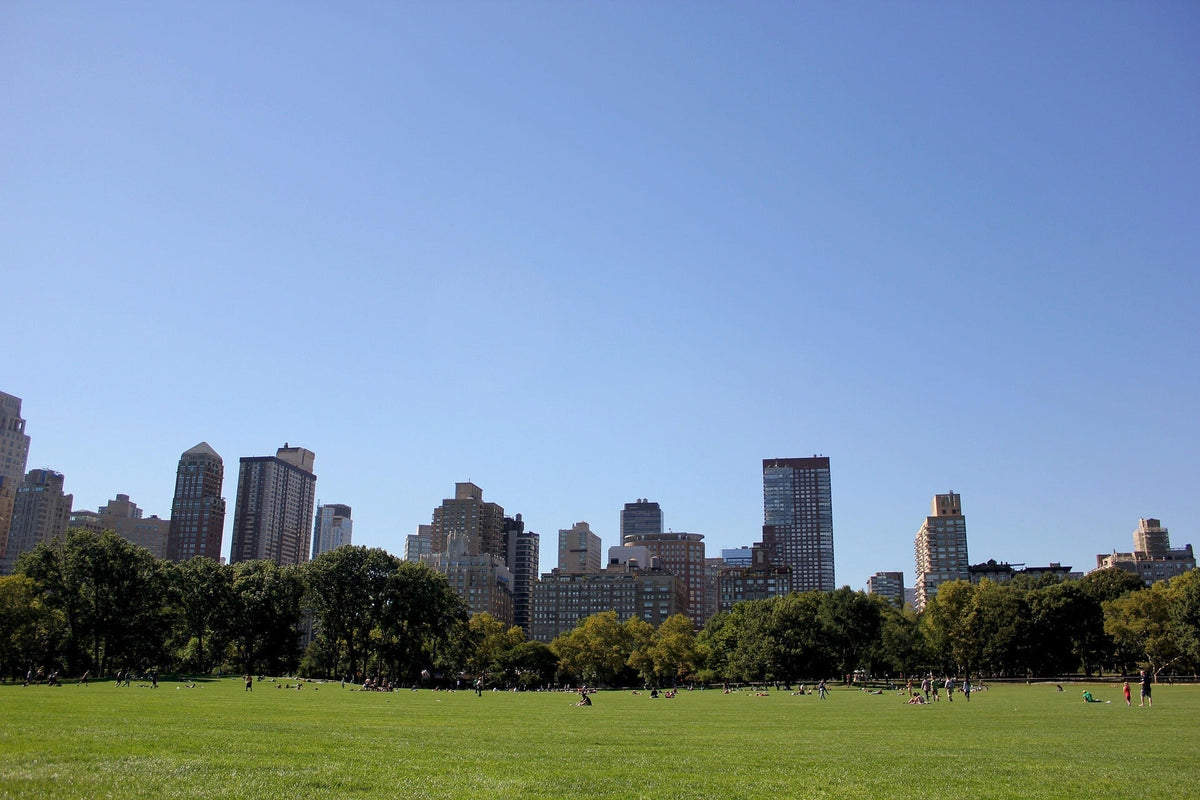
Central Park is still the safest default answer if you want one park that works for almost every kind of family outing. It gives you plenty of room to choose your own pace: a quick playground stop, a longer stroller walk, a zoo outing, or a loop that includes benches, shade, and enough exits to change plans when your child does. The reason it works is not just that it is famous. It is that it gives you options.
The family infrastructure is hard to beat. The Conservancy’s family guide notes that the park has 21 playgrounds, and individual playground pages show accessibility features like adaptive swings and accessible surfaces at some locations, such as Tarr Family Playground. For stroller users, that means Central Park is not just one route. It is a park where you can recover if the first stop is too crowded or your child needs a more age-appropriate play area.
If you specifically searched for a Central Park stroller path, keep it simple: stick to the wider paved routes, then branch toward a playground or attraction only when you know the destination is worth the detour. Central Park becomes hardest when you try to do too much in one outing.
The High Line
The High Line works best when you want a shorter, more scenic walk and you are comfortable with a little crowd management. It is not the best park for a long free-range family day, but it is one of the better stroller-friendly activities in NYC when you want a polished route with clear access points and a built-in sense of occasion.
The official NYC Parks page says the High Line is wheelchair accessible and has elevator access at Gansevoort Street, 14th Street, 23rd Street, and 30th Street Southwest, plus ramp access at 30th Street Hudson Yards. NYC Parks also lists public restrooms at Gansevoort Street, 16th Street, and 30th Street. That is exactly the kind of infrastructure that makes an elevated park workable with a stroller instead of stressful.
The tradeoff is crowding. On busy weekends, the High Line can feel less like a casual stroller walk and more like a controlled flow of tourists. It is excellent for a compact outing, but not my first choice if your child needs room to roam after the walk.
Hudson River Park
Hudson River Park is one of the easiest answers if your main goal is to keep moving. The waterfront route is long, open, and visually rewarding, which makes it especially good for naps-on-the-go, an easy rhythm, or a day when you do not want to keep deciding where to turn next every five minutes.
Its practical value is better than many families expect. Hudson River Park lists wheelchair-accessible restrooms throughout the park, including locations at Pier 25, Pier 40, Pier 45, Pier 51, and Pier 97, with seasonally updated hours. That kind of spread matters when you are planning around diaper changes, snack breaks, or the point where the outing suddenly needs a reset.
It is less of a “one destination” park than Central Park, but better for families who like a wider, smoother waterfront rhythm and do not mind building their own stop points along the route.
Riverside Park
Riverside Park is the Manhattan pick I would recommend when you want a more neighborhood-feeling outing than Central Park. It does not have the same tourist gravity, which can be a real advantage if you want a calmer day with easier playground decisions and fewer people constantly cutting across your stroller line.
Riverside Park is stronger for families than it first appears. NYC Parks lists multiple accessible playgrounds in Riverside Park, including Hippo Playground, River Run Playground, and Classic Playground, while the park restroom page shows many public restroom points across the park. The Conservancy’s Hippo Playground page adds a useful family detail: restroom access, a drinking fountain, picnic tables, and a spray shower all in one zone.
That makes Riverside Park especially good for local families who want a less performative park day. It is not trying to be an event. It is just quietly easier than many first-time visitors expect.
The Battery
The Battery is not where I would send you for a long stroller ramble, but it is a smart choice for a shorter downtown outing with harbor views, ferry energy, and easy walking. If you are already near Lower Manhattan, it gives you a stroller-friendly stop that feels scenic without demanding too much time or endurance.
NYC Parks notes that The Battery has public restrooms, eateries, and the SeaGlass Carousel, which helps it function as more than just a view point. The current official page also warns that parts of the park are closed for the Battery Coastal Resilience Project, including the Battery Wharf, Gardens of Remembrance, and part of the Oval Lawn, so this is a park where checking current conditions before you go really matters.
It is a good example of why stroller-friendly is not a permanent label. A park can still be a worthwhile outing, but temporary closures may change how relaxed the route feels on a given week.
Best stroller-friendly parks in Brooklyn and Queens
Prospect Park
Prospect Park is one of the best Brooklyn answers if you want a fuller park day rather than a quick stop. It feels less structured than Central Park, but it has the scale and route quality to reward families who want a longer walk and the option to add play, wildlife, or nature programming.
The strongest stroller asset here is Park Drive. Prospect Park Alliance describes Park Drive as a 3.36-mile loop, and its running and walking page says the park offers miles of roadways and paths for walkers. The general information page also points visitors to restroom locations and park maps. For families, that matters more than any generic “beautiful park” description.
It is an especially good fit if you enjoy a more open-ended outing and do not mind a longer loop. If your child is happiest with frequent mini-stops and constant visual payoff, Brooklyn Bridge Park may feel easier. If you want more room to settle into the day, Prospect Park often wins.
Brooklyn Bridge Park
Brooklyn Bridge Park is one of the most reliably easy parks with a stroller because it combines accessibility with instant family payoff. You do not have to work very hard to enjoy it. The waterfront is beautiful immediately, the paths are clear, and the playground clusters give you natural stop points without much guesswork.
This is one of the best-documented family parks on the official side too. The park’s accessibility page states that all entrances and pathways are accessible, restrooms are fully accessible, and play areas at Piers 1, 2, and 6 include accessible swings and ground-level play equipment. The Pier 6 page adds the kind of family detail that actually changes plans: multiple playground zones, water features in warm weather, picnic areas, and ferry access nearby.
If you are also thinking about car logistics, Brooklyn Bridge Park is one of the few places where the official FAQs directly address parking. The park warns that parking is limited, but metered spaces and garages exist near Piers 1 and 6. That is a useful note because many parents search for “stroller parking” when what they really need is a realistic parking-and-entry plan.
Flushing Meadows-Corona Park
Flushing Meadows-Corona Park works best for families who want a bigger, more spread-out day and do not mind covering distance. It is one of the easiest parks to recommend in Queens when you want stroller space rather than compact charm.
NYC Parks describes it as one of the city’s most iconic parks, with trails, lakes, sports, museums, and civic institutions. More importantly for families, the park’s playground listing shows multiple accessible playgrounds across the park, including Playground for All Children and several other accessible sites.
This is a good park when you want to spread out and not feel compressed by Manhattan pacing. The tradeoff is that it rewards a bit of planning. Without a clear destination, the scale can make the outing feel longer than you intended.
Quieter picks when you want less of a classic tourist outing
Fort Tryon Park
Fort Tryon Park is a better stroller park than many people assume, but it is not the easiest “just wing it” choice. NYC Parks says the park has eight miles of pathways, and the hiking-trail page highlights promenades, terraces, and scenic pedestrian routes. That is great if you want views and a slower-paced outing.
What makes it less universal is the terrain mix. Some areas are lovely and manageable, while other sections involve stairs, hillier stretches, or narrower trail moments that feel easier with a lighter stroller. I would choose Fort Tryon when you want scenery and a calmer mood, not when you want the easiest possible push.
Inwood Hill Park
Inwood Hill Park is the most nature-forward option in this guide, which is both its appeal and its limitation. It can be a refreshing family outing if you want something less polished and more woodsy, but it is not the park I would recommend to every stroller user by default.
The strongest stroller-friendly parts are usually the more built-up zones around playgrounds and paved sections. NYC Parks shows accessible playgrounds such as Payson Playground, Emerson Playground, and Indian Road Playground, which gives you reliable targets. The trick is not to mistake that for “everything in the park is easy with a stroller.” Inwood is better when you go in knowing which part of the park is your actual destination.
Do you need a travel stroller for NYC parks?
Not always. If you live nearby, arrive by car, and plan to stay inside broad paved zones, a full-size stroller can work just fine. But a compact travel stroller becomes much more appealing once the park day includes subway stairs, buses, elevators, quick coffee stops, crowded entrances, or the kind of route changes that happen constantly in New York.
That is why this article lines up so closely with Mamazing’s other city-living content. If you want a broader framework for judging parks, stores, transit, and busy venues, Mamazing’s guide on how to spot stroller-friendly public spaces is a useful companion. And if you are trying to think beyond parks and into daily city life, the piece on living in the city with a baby is worth reading too.
The honest answer is that park friendliness and stroller fit shape each other. The easier the stroller is to fold, carry, and steer, the more park options feel available instead of exhausting.
What to know before you go
There is one practical point most guides skip: many NYC parks do not have a formal stroller parking area the way a museum or zoo might. In practice, “stroller parking” usually means choosing a park with enough space near the destination you care about, then keeping the stroller with you or parking it close by in a low-conflict spot while staying nearby. If dedicated stroller parking matters to you, assume less and verify more.
-
Check restrooms first: they matter more than scenic beauty once the outing turns.
-
Use official access points: especially at the High Line and larger Brooklyn waterfront sites.
-
Match the stroller to the route: compact travel strollers shine when the trip includes transit or elevators before the park even starts.
-
Expect weekend friction: Central Park, the High Line, and Brooklyn Bridge Park all get harder when crowds peak.
-
Plan one anchor stop: playground, carousel, zoo, lawn, splash zone, or museum adjacency. A park day feels easier when the walk leads somewhere obvious.
Where Mamazing fits if you want an easier city-park setup
If your biggest park-day frustration is not the park itself but the getting-there part, Mamazing fits best as a portability-first solution. The Ultra Air Compact Travel Stroller is the kind of stroller that makes more sense in New York than in a fully car-dependent routine, because the win is not just park comfort. It is subway stairs, elevators, trunk loading, tight cafe stops, and the point when your child wants out right as you need to keep moving.
If you are still comparing formats, Mamazing’s broader stroller collection is a better place to browse than forcing one model into every use case. A stroller-friendly park guide should still end with the same principle: choose the setup that makes the whole outing easier, not just the part after you reach the gate.
FAQ
Which NYC park is easiest with a stroller?
For most families, Central Park is the easiest all-round choice because it gives you long paved routes, multiple playground options, and plenty of ways to shorten or extend the outing. Brooklyn Bridge Park is another easy pick if you want flatter waterfront paths and quick playground payoffs.
Is Central Park actually stroller friendly?
Yes, it usually is. The paved loops, perimeter playgrounds, and large number of family stops make it one of the safest default choices in Manhattan, especially if you stay on the wider main routes instead of trying to improvise through every interior path.
Do you need a travel stroller for NYC parks?
Not always, but a compact travel stroller makes city park days easier when you are also dealing with subway stairs, buses, tight cafe stops, or elevators. If you mostly enter by car and stay on broad paved paths, a larger stroller can still work well.
Which parks are harder with a stroller?
Fort Tryon Park and Inwood Hill Park can be trickier if you wander onto steeper or more natural sections. They are still worth visiting, but they reward a lighter stroller and a plan instead of a purely spontaneous route.
What matters more than a paved path?
Usually it is the full combination of route shape, bathroom access, playground proximity, entrances, crowd level, and how often you will need to fold the stroller before or after the park. A smooth path helps, but it is not enough on its own.
The bottom line
The best stroller-friendly parks in NYC are not always the prettiest or the most famous ones. They are the parks that remove friction: easy entrances, enough path width, useful restrooms, good playgrounds, and a route that still feels manageable when your day stops going exactly to plan.
If you want the easiest all-round answer, start with Central Park or Brooklyn Bridge Park. If you want a calmer neighborhood feel, Riverside Park is stronger than many visitors realize. If you want a shorter scenic route, the High Line is excellent when you time it well. And if you want to expand beyond the obvious picks, Prospect Park, Flushing Meadows-Corona Park, Fort Tryon Park, and Inwood Hill Park all reward the right kind of family outing. The trick is to choose the park that fits your day, not just the one that looks best in a headline.



Compact Travel Stroller Guide: How to Pack Light With Mamazing
Stroller Safety Features to Look For: Standards, Mistakes to Avoid, and Newborn Checks