
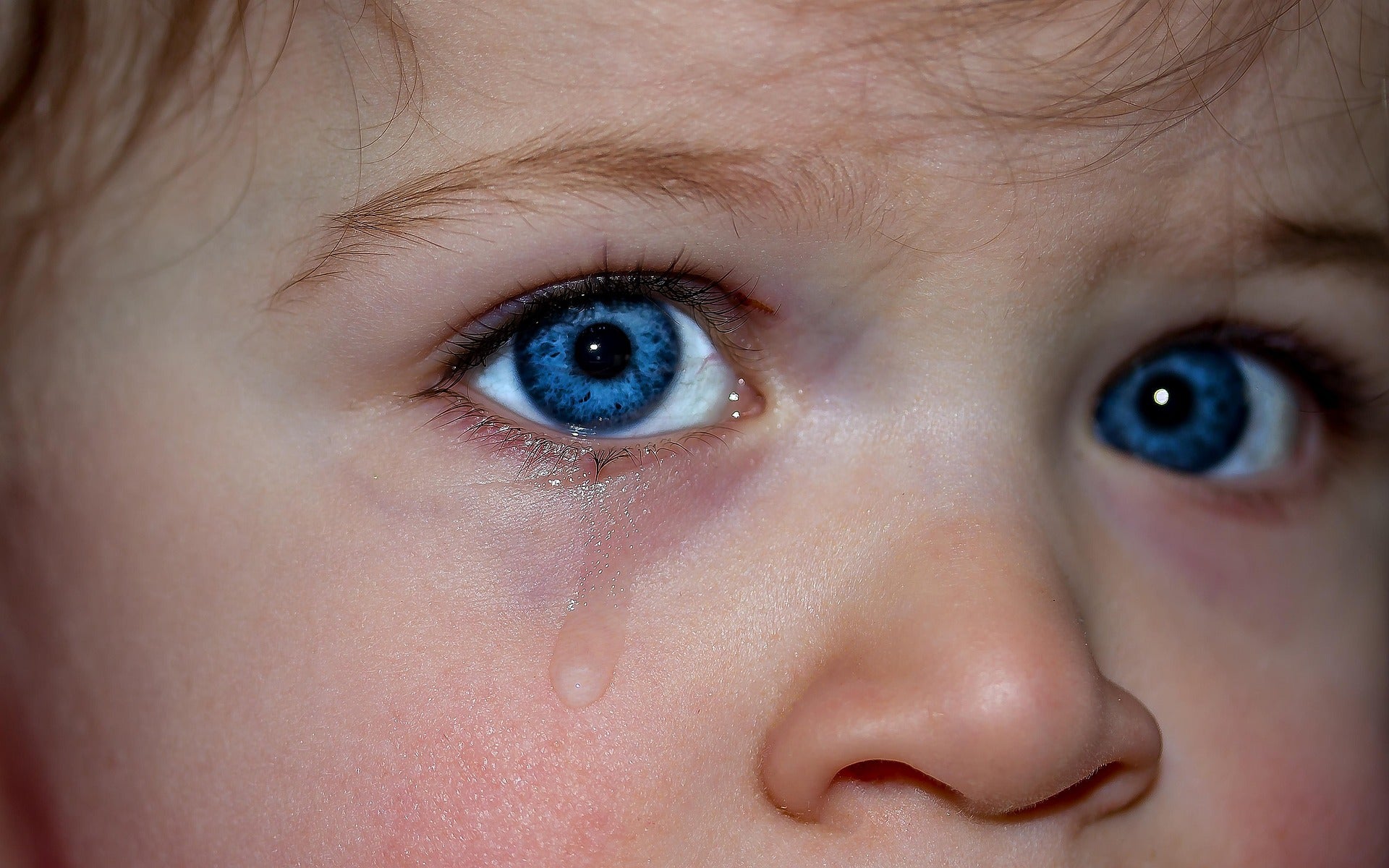
Baby crying at night is exhausting, but it is also one of the most common worries in the first year. Many babies cry because they are hungry, overtired, uncomfortable, gassy, or briefly moving through a normal sleep cycle. The real question most parents have at 2 a.m. is not just why it is happening, but what to check first, what usually helps, and when nighttime crying is a sign to call the pediatrician.
This guide stays focused on that original problem: understanding why babies cry at night and how to help everyone get more sleep. Instead of jumping straight into sleep training advice or treating every cry as a medical issue, it helps you sort through the most common causes, calm your baby without adding more chaos, and notice the moments when normal night waking starts to look like something more.
If your baby has been crying a lot at night, try not to read that as proof that you are doing something wrong. Nighttime crying is often a mix of development, routine, feeding, sleep pressure, and plain baby communication. A calmer checklist and a few realistic expectations can make the night feel much less overwhelming.
Why babies cry at night: what is normal and what is not
Most babies cry at night for ordinary reasons, even when the crying feels intense in the moment. Hunger, a dirty diaper, temperature discomfort, trapped gas, overtiredness, sleep associations, teething, and separation anxiety can all show up after bedtime or during night wakings. What helps most is not guessing randomly, but noticing the pattern: what time the crying starts, how your baby sounds, how long it lasts, and what usually settles it.
| Common reason | What you may notice | What to check tonight |
|---|---|---|
| Hunger or a growth spurt | Rooting, hand sucking, short feeds earlier | Offer a feed and watch whether the cry softens quickly |
| Wet diaper or clothing discomfort | Squirming, fussing, arching, irritated skin | Check diaper, waistband, swaddle, and room temperature |
| Overtiredness | Hard bedtime, short naps, wired crying | Shorten the wake window and use a calmer wind-down |
| Gas, reflux, or tummy discomfort | Pulling legs up, back arching, restlessness after feeds | Burp, hold upright, and look for a repeat pattern |
| Active sleep or partial waking | Whimpering, brief cries, eyes closed, movement but not fully awake | Pause for a moment before intervening |
| Illness, teething, or pain | A sharper cry, fever, poor feeding, hard-to-soothe distress | Look for symptoms and call your pediatrician when needed |
One helpful mindset shift is to stop asking whether nighttime crying is normal in the abstract and instead ask which pattern seems most likely tonight. A baby who fed poorly before bed and wakes rooting may need food. A baby who cried through an overstimulating evening may need help settling. A baby who whimpers with closed eyes may not need a full pickup at all. That kind of pattern-based thinking usually leads to faster, calmer nights.
Hunger, growth spurts, and frequent night waking
Newborns and younger babies often cry at night because they still need to eat frequently. Their stomachs are small, growth is fast, and long stretches of sleep are still developing. If your baby usually calms when fed, wakes every few hours, and seems eager to latch or take a bottle, hunger may be the simplest answer. This is especially common during growth spurts, cluster feeding phases, and periods when daytime naps have thrown off the usual feeding rhythm.
If feeding is part of the pattern, it helps to make night feeds as calm and low-stimulation as possible. Dim lights, quiet voices, and a consistent place to sit can keep the wake-up from turning into a full reset. For many parents, a peaceful nursery setup and a supportive chair make those middle-of-the-night feeds less draining on the adult body too.
Discomfort, room temperature, and diaper issues
Sometimes a baby cries at night for reasons that are simple but easy to miss when everyone is tired. A wet diaper, a twisted sleeper, cold hands, overheating, dry skin, congestion, or a scratchy clothing seam can all be enough to wake a baby who otherwise might have stayed asleep. If the crying seems sharp at first but eases after a diaper change or a quick comfort adjustment, discomfort was probably the main trigger.
This is also why a steady sleep environment matters. Babies usually settle more easily when the room stays dark, the layers are consistent, and bedtime does not feel dramatically different from one night to the next.
Overtiredness, bedtime battles, and sleep associations
Parents often assume a baby who is exhausted will simply sleep better, but overtired babies frequently cry more at night. When a baby has stayed up too long, skipped naps, or gone into bedtime overstimulated, falling asleep can become harder and night waking can feel more intense. Some babies also grow dependent on a very specific way of falling asleep, such as rocking, feeding, or being held for a long time, and then cry when they wake between sleep cycles and cannot recreate that same setup.
That does not mean you need to launch an aggressive sleep training plan overnight. It usually means it is worth looking at the rhythm around bedtime: was the wake window too long, was the routine rushed, did the baby fall asleep one way and wake up in a completely different situation, and are you trying to settle after the baby is already far past calm?
Gas, reflux, teething, illness, and other pain-related causes
If your baby cries at night after feeds, pulls their legs up, arches their back, or sounds as though they are in real physical discomfort, tummy pain may be part of the picture. Gas, reflux, constipation, teething, congestion, or the early stages of an illness can all make nighttime harder. These are the nights when a baby may not respond to the usual feeding or rocking pattern, because the issue is not simply tiredness.
When the cry sounds unusual, the baby is feeding poorly, or you notice symptoms such as fever, vomiting, breathing trouble, or obvious pain, move out of “sleep problem” mode and into “health check” mode. The goal is not to panic, but to remember that not every hard night is a routine issue.
What to check first when your baby is crying at night
When your baby is crying at night, it helps to follow the same order each time instead of trying ten things at once. A predictable check-in routine lowers your own stress and makes it easier to notice what is changing from night to night.
- Pause for a moment. If the cry is brief and your baby still seems half asleep, they may settle without full intervention.
- Check feeding timing. Ask whether it has been long enough that hunger makes sense, especially for a newborn.
- Check the diaper and basic comfort. Look at temperature, clothing, swaddle or sleep sack fit, and signs of congestion.
- Notice the cry pattern. Rooting, sharp pain cries, whimpering, and overtired screaming do not all mean the same thing.
- Use the least stimulating soothing method first. A hand on the chest, gentle shushing, or brief rocking may be enough.
- Escalate only if needed. Feed, burp, hold upright, or fully reset bedtime if your baby is clearly awake and distressed.
That order matters because it keeps you from accidentally turning every brief night noise into a full wake-up. It also helps you learn whether your baby mostly cries at night from hunger, discomfort, overtiredness, or something that deserves medical attention.
How to soothe a crying baby at night without making bedtime harder
The best soothing method is usually the one that meets the real need without adding too much stimulation. At night, babies often do better with slower, quieter interventions than they do during the day.

Start with a calmer room: low light, a quiet voice, and as little extra activity as possible. Then match the soothing to the likely cause. A hungry baby may need a feed. A gassy baby may need burping and upright time. An overtired baby may need less talking and more rhythmic settling. A baby who startles awake may respond well to a hand on the chest, gentle rocking, or a steady shush.
Consistency matters more than perfection here. If every night wake-up turns into bright lights, long conversations, or ten different soothing experiments, some babies become more alert instead of less. A simple, repeatable response often helps the baby and the parent both stay closer to sleep mode.
If you want more settling ideas beyond this page, Mamazing also has a practical guide on soothing a crying baby that pairs well with nighttime routines.
When babies cry in their sleep at night
One of the most confusing patterns for parents is when babies seem to cry in their sleep at night. Sometimes the baby whimpers, fusses, grunts, or even lets out a short cry without fully waking. In many cases, that is active sleep rather than a sign that something is wrong. Newborns especially can be noisy sleepers, and they often move, twitch, vocalize, and briefly sound upset while still asleep.
This is where a short pause can help. If your baby's eyes are closed, the cry is brief, and the body does not look fully awake, waiting a moment may give them time to settle on their own. Rushing in too fast can accidentally wake a baby who might have drifted through the noise phase without help.
That said, crying in sleep is not always harmless background noise. If the crying becomes intense, repeated, or paired with arching, coughing, signs of reflux, fever, breathing difficulty, or obvious distress after waking, it deserves a closer look. If this pattern is happening often and you are unsure what is normal, Mamazing's guide to newborn crying in sleep can help you separate active sleep from red flags.
Nighttime crying by age: newborns, younger babies, and older babies
Age changes the picture. A newborn crying at night is not judged the same way as a nine-month-old waking and crying after a disrupted routine.
Newborns: 0 to 3 months
Night crying in the newborn stage is often tied to hunger, day-night confusion, gas, and immature sleep cycles. Frequent waking is still normal here, so the goal is usually not to force long stretches but to make nights calmer and more predictable. If you are unsure how much sleep is typical, Mamazing's article on how much newborns sleep can give helpful context.
Younger babies: around 3 to 6 months
At this stage, overtiredness, bedtime routine inconsistency, and sleep associations start to matter more. Some babies still need night feeds, while others wake mainly because they cannot bridge sleep cycles comfortably. Parents often notice that bedtime itself becomes more emotionally charged during this window.
Older babies: around 6 to 12 months
Separation anxiety, teething, developmental leaps, travel, illness, and disrupted naps can all contribute to crying at night in older babies. These babies may cry more loudly and protest more clearly than newborns, which can make the problem feel worse even when the underlying cause is still common and manageable.
How to make nights easier for everyone
Not every solution is about the baby alone. Nighttime crying is a family problem because it affects sleep, patience, and emotional bandwidth for everyone in the house. Even when your baby is in a normal developmental phase, you still need practical ways to get through it.
- Keep bedtime predictable. A short, repeatable routine usually helps more than a long, ambitious one.
- Protect naps and wake windows. Many night problems start earlier in the day with an overtired baby.
- Share the load when you can. If another adult can take one settling shift, even a small block of sleep helps.
- Make night feeds and diaper changes boring. The less stimulating they are, the easier it is to return to sleep.
- Support the adults too. If nights have been brutal, Mamazing's guide on surviving newborn sleep deprivation offers practical ways to protect your energy.
These are not magic fixes, but they reduce the number of small factors that keep turning a manageable night into a miserable one.
When to call your pediatrician about nighttime crying
Most baby crying at night is not an emergency, but some situations deserve medical advice sooner rather than later. Call your pediatrician if your baby has a fever, trouble breathing, repeated vomiting, a swollen belly, signs of dehydration, poor feeding, unusual lethargy, a cry that sounds markedly different from normal, or crying that seems linked to clear pain. If your instincts tell you this is not just a rough night, that matters too.
You should also seek help if nighttime crying is happening so often that feeding, growth, or household function is breaking down, or if you suspect reflux, allergy issues, persistent constipation, ear pain, or another medical cause. The point is not to over-medicalize normal baby behavior; it is to know when the pattern stops looking routine.
Frequently asked questions
Why does my baby cry at night even after feeding?
Feeding is only one of several common causes. A baby may still cry after a feed because of gas, reflux, overtiredness, a wet diaper, temperature discomfort, or the need for help settling between sleep cycles. If feeding helps only briefly, look at what usually happens next and whether the same pattern repeats each night.
Is it normal for babies to cry in their sleep at night?
Yes, brief crying, whimpering, and noisy movement can be normal during active sleep, especially in newborns. If your baby seems half asleep, eyes closed, and settles within a moment, it may not require intervention. If the crying is intense, frequent, or paired with other symptoms, it deserves a closer look.
What should I check first when my baby is crying at night?
Start by pausing briefly, then check whether hunger makes sense, whether the diaper or room temperature is causing discomfort, and whether your baby seems truly awake or only partially rousing. A simple order helps you respond more calmly and avoids turning every sound into a full wake-up.
How can I soothe a crying newborn at night?
Keep the room dark and quiet, respond gently, and match the soothing method to the likely cause. Newborns often settle with feeding, burping, swaddling if appropriate, upright holding after a feed, or rhythmic rocking. The goal is to reduce stimulation, not add more of it.
When is nighttime crying a reason to call the doctor?
Call your pediatrician if the crying seems linked to pain, fever, breathing problems, vomiting, dehydration, poor feeding, or a clearly unusual cry, or if your baby is simply much harder to comfort than normal. If something feels off beyond an ordinary rough night, it is reasonable to check in.
Wrapping up
Baby crying at night is common, but that does not make it easy. What usually helps most is understanding the likely cause, checking the same basics in a calm order, and remembering that not every cry means the same thing. Some nights are about hunger. Some are about overtiredness. Some are about active sleep, and some are the nights when your pediatrician's input matters.
With a steadier routine, a calmer sleep environment, and a clearer sense of what to look for, you can make nighttime less confusing for your baby and less overwhelming for yourself. That is often the real path to helping everyone get more sleep.
Breastfeeding Basics: Your Top Questions Answered
Best Nursing Chair: How to Choose a Comfortable Feeding Chair for Mom