
- by xiaoyuyang
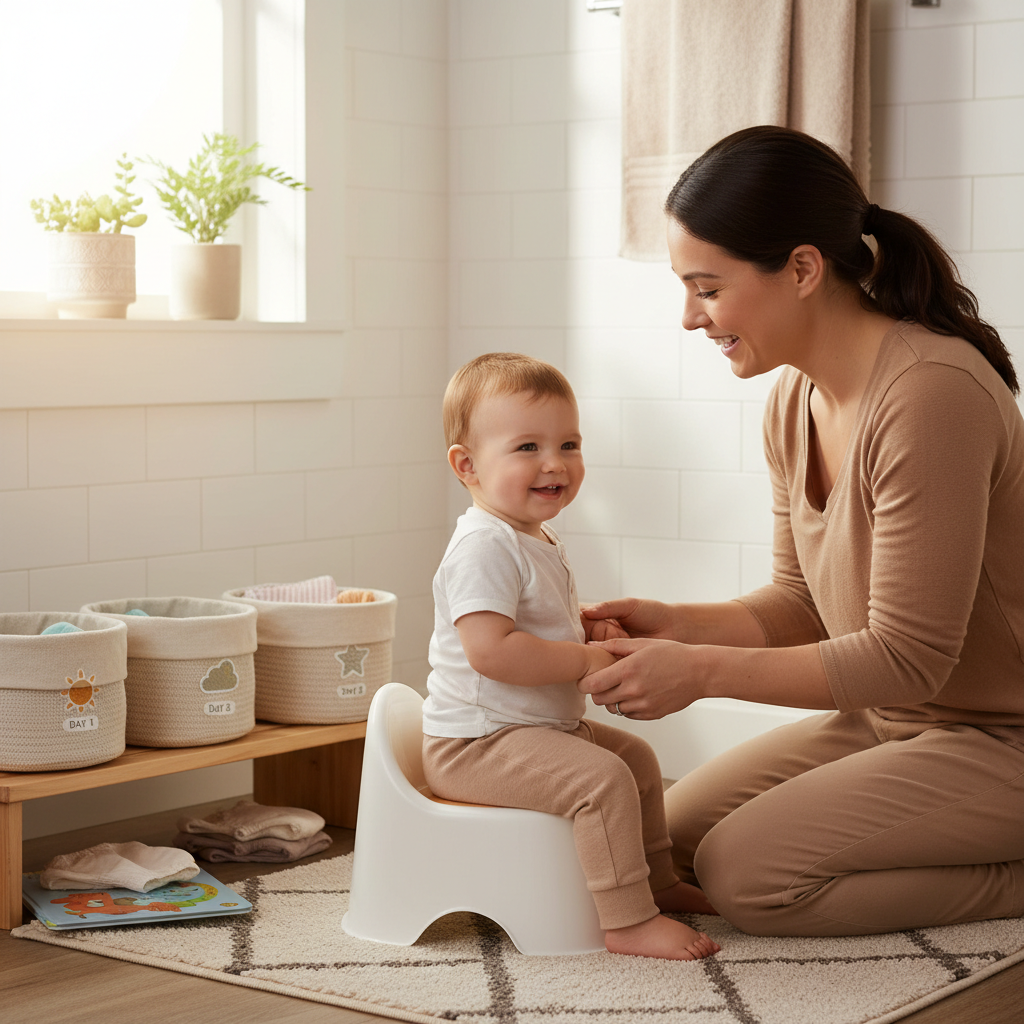
3-Day Potty Training Method: Day-by-Day Schedule, What to Expect & Troubleshooting
- by xiaoyuyang
If you want to try the 3-day potty training method, the fastest way to set expectations is this: it can work well for a ready toddler and a fully committed parent, but the real win after three days is not perfection. The real win is that your child starts noticing the urge, getting to the potty more often, and understanding the new routine.
That is why the best version of a 3-day potty training method is not a rigid miracle plan. It is an intensive, short burst of observation, calm repetition, and quick course correction. If your child is showing the readiness signs the AAP highlights, you can use three focused days to build momentum, see how your toddler responds, and decide whether to keep going or pause without turning potty training into a power struggle.
In this guide, you will find a practical 3 day potty training schedule, what to expect on days 1 through 3, how to handle a rough second day, and how to know when the method is helping versus when your child needs more time. You will also see where Mamazing recommends lowering the pressure, because a calmer plan usually beats a more intense one once your child starts resisting.
The 3-day potty training method works best when you match the method to the child, not the other way around. According to the AAP's readiness checklist, strong signals include staying dry for stretches, noticing a wet or dirty diaper, following simple directions, and being able to pull clothes up and down. In plain language, your toddler does not need to be excited about potty training, but they do need enough body awareness and enough patience to learn a new sequence.
A quick reality check helps here. If your child can tell you they are peeing only after the fact, resists every diaper change, or melts down the moment you mention the potty, you may be too early. The same goes for weeks when life is already heavy. A move, travel, a new sibling, daycare changes, or illness can make an intensive potty training plan feel much harder than it needs to be.
Constipation deserves special caution. The NIDDK guidance on constipation in children notes that stool withholding and painful bowel movements can feed into ongoing potty resistance. If your child is avoiding poop, straining, or acting afraid of bowel movements, solve that piece first. A child who expects the potty to hurt is not a good candidate for a weekend sprint.
Some children also need a slower runway because of developmental or sensory differences. The AAP's special-needs toilet training guidance is a useful reminder that success may depend on extra repetition, visual cues, and a longer timeline. That does not mean you are failing. It means the method should fit your child.

The families who say the 3-day potty training method was "easy" usually did their hardest work before the first accident. They cleared the calendar, set up a small potty or toilet insert, picked easy-on clothing, and agreed on the same phrases they would use all weekend. That kind of consistency matters more than any printable chart.
The AAP's advice on creating a toilet training plan lines up with what works in real homes: keep your language positive, avoid shame, and make the steps predictable. If you say "tell me when your body needs to pee" on Friday, do not switch to bribing, nagging, and bargaining by Saturday afternoon.
| When | What to do | Why it helps |
|---|---|---|
| 1 to 2 days before | Talk about the potty, read one simple potty book, and let your child see where the potty will stay. | Removes the surprise factor and makes the setup feel familiar. |
| The night before | Lay out extra underwear, easy pants, wipes, and cleaning supplies. | Keeps you from sounding stressed after accidents. |
| Morning of Day 1 | Serve regular meals, offer fluids steadily, and plan to stay home. | Gives you enough bathroom opportunities without making the day feel artificial. |
| All weekend | Use one calm script, one potty location, and one response to accidents. | Consistency is the part your child learns from fastest. |
You do not need a mountain of gear. You need a reachable potty, clothing that comes down fast, and a plan for what you will say when there is pee on the floor. Keep your voice matter-of-fact. The less drama you bring, the less your child learns to use potty trips as a stage.

Day 1 is usually less about success and more about visibility. You are helping your child notice the body signal, connect that signal to the potty, and hear the same response every time. Many parents expect a dramatic breakthrough by lunch. A more realistic Day 1 goal is simple: several chances to practice, at least one or two partial wins, and zero shame around the misses.
Most families do best when they stay close, offer regular chances, and keep prompts short. Instead of asking "Do you need to go?" ten times an hour, try statements such as "Your potty is right here" or "Tell me when your body says pee." This sounds small, but it shifts the focus from pleasing you to noticing their body.
Here is what Day 1 often looks like in real life:
If you are thinking, "This feels messy and slow," that is normal. The 3 day potty training method is intense because Day 1 is all about repetition. The method is not broken just because your toddler does not suddenly stay dry for six hours.
Yes, it can be. Day 2 is often the emotional dip in a 3-day potty training schedule. The novelty is gone, your child realizes this is not a game that ends after breakfast, and you are more tired than you were on Day 1. That combination can produce more refusal, more accidents, and more testing.
This is the point where many parents decide the 3 day potty training method "is not working" when what is really happening is that their child is pushing back against a new rule. A rough Day 2 does not automatically mean stop. It means you need to look at the pattern.
One counterintuitive tip: do not escalate rewards on Day 2 just because you are nervous. Bigger bribes can quickly turn the potty into a negotiation. Calm, boring consistency tends to work better than a frantic search for leverage.
Day 3 is where parents often ask the most anxious question: what should I expect by now? The answer is not "a fully trained child." A better answer is that many children start getting to the potty faster, need fewer reminders, and recover from a miss more quickly by the third day.
Progress on Day 3 often looks like this:
That is why the best Day 3 question is not "Are we done?" It is "Are we moving in the right direction?" If the answer is yes, you probably do not need a new method. You need another week of the same calm pattern.
Another useful test is whether your child can bounce back after a miss. If they pee on the floor, pause, and then finish in the potty, that is progress. If they stay dry through a book, lunch, or a short play block, that is progress too. What you are looking for is growing awareness, not a flawless performance.

It can, but only under the right conditions. The method works best for children who are physically ready, do not have active constipation, and can tolerate a few days of close coaching without turning it into a battle. It also works best for adults who can stay consistent for the full three days and then keep the same routine afterward.
That is why "intensive potty training" is both accurate and slightly misleading. Yes, the method compresses a lot of learning into one weekend or one long block at home. But the follow-through still matters. If daycare, grandparents, and parents all use a different response on Day 4, the child gets mixed signals and the weekend gains fade fast.
The method is less likely to work well when the adults are looking for instant dryness, the child is dealing with painful stool, or the home feels tense around accidents. In those cases, a slower and gentler approach is often more effective. If you want the simple version: the 3-day potty training method is a jump-start, not magic.
Usually not. The AAP's bedwetting guidance explains that nighttime dryness depends on development, not just motivation. Many children who do well during the day still need more time before staying dry overnight.
That means you do not have to force nighttime potty training just because you started daytime training. In fact, pushing both at once often makes parents feel like the method failed when the child is actually doing fine. Keep bedtime simple: limit pressure, protect the mattress, and focus on daytime success first.
If your toddler wakes dry some mornings, treat that as a bonus sign, not a deadline. The more helpful question is whether daytime potty habits are becoming steady. Once that part feels boring and predictable, you can look at nights with less pressure.
Stopping is not quitting. It is a smart decision when the method is creating more stress than learning. If your child seems panicked, is holding pee for long stretches, hides to poop, or becomes locked into a daily power struggle, step back and reset.
This is especially important if constipation enters the picture. The NIDDK notes that constipation can lead to stool withholding and painful bathroom experiences, which can keep the cycle going. If that sounds familiar, talk with your pediatrician and address the bowel issue before you restart potty training.
A practical pause checklist looks like this:
If several of those are true, call a reset. Go back to diapers or training pants without shame, keep the language neutral, and revisit the idea after a few weeks. A calm reset is much easier to recover from than a month-long battle.

The first three days matter, but the next two weeks are what make the method stick. Keep the same basic timing cues, the same language, and the same expectations for caregivers outside your home. If daycare joins the plan, make sure they know the exact phrases and transitions your child is already hearing.
It also helps to think about exposure in layers. Start with home. Then try a quick walk. Then a short errand. Then a longer outing with a bathroom plan. Families often lose momentum because they jump from home practice to a whole afternoon out. Smaller steps protect confidence.
If you need a calm place to regroup after a hard day, use the same logic you would use anywhere else in parenting: lower stimulation, keep routines steady, and make comfort easy to access. Mamazing shares more practical support in our guides library, and if your reset routine includes potty books, cuddles, or a short wind-down chat, a comfortable corner matters more than another sticker chart.
Most of all, do not keep raising the stakes. Your child does not need to feel that every accident is a huge event. They need to feel that the potty is now part of daily life and that you will help them learn it without embarrassment.
It can work well for a ready toddler and a fully consistent parent, but the real goal after three days is awareness and a routine, not perfect dryness in every setting.
You can often teach the pattern in three focused days, but most children still need follow-up practice for outings, daycare, naps, and nighttime.
By day 3, many children start getting to the potty faster, have fewer accidents, and need fewer reminders, but they still need close supervision and calm repetition.
Yes. Day 2 is often the hardest because novelty wears off and your child tests the new rule, so a rough second day does not automatically mean the method failed.
Usually no. Daytime control and nighttime dryness often develop on different timelines, so it is fine to keep diapers or training pants for sleep while daytime skills settle.
Pause if your child is panicked, withholding stool or urine, dealing with constipation, or turning every potty trip into a power struggle that keeps escalating.
The best 3-day potty training method is the one that helps your child feel capable by the end of the weekend, not the one that forces you to pretend everything is fixed by Sunday night. If your toddler is ready, your language stays calm, and your follow-through stays consistent, three focused days can give you a strong start.
If the method feels too intense, scale it back instead of doubling down. A slower win still counts. And if you want more grounded parenting ideas beyond potty training, you can explore more from Mamazing and keep building routines that make everyday transitions easier.


Flying with a Baby for the First Time: Practical Tips for a Smooth First Flight
Is White Noise Safe for Babies? AAP Sleep Machine Safety Guide